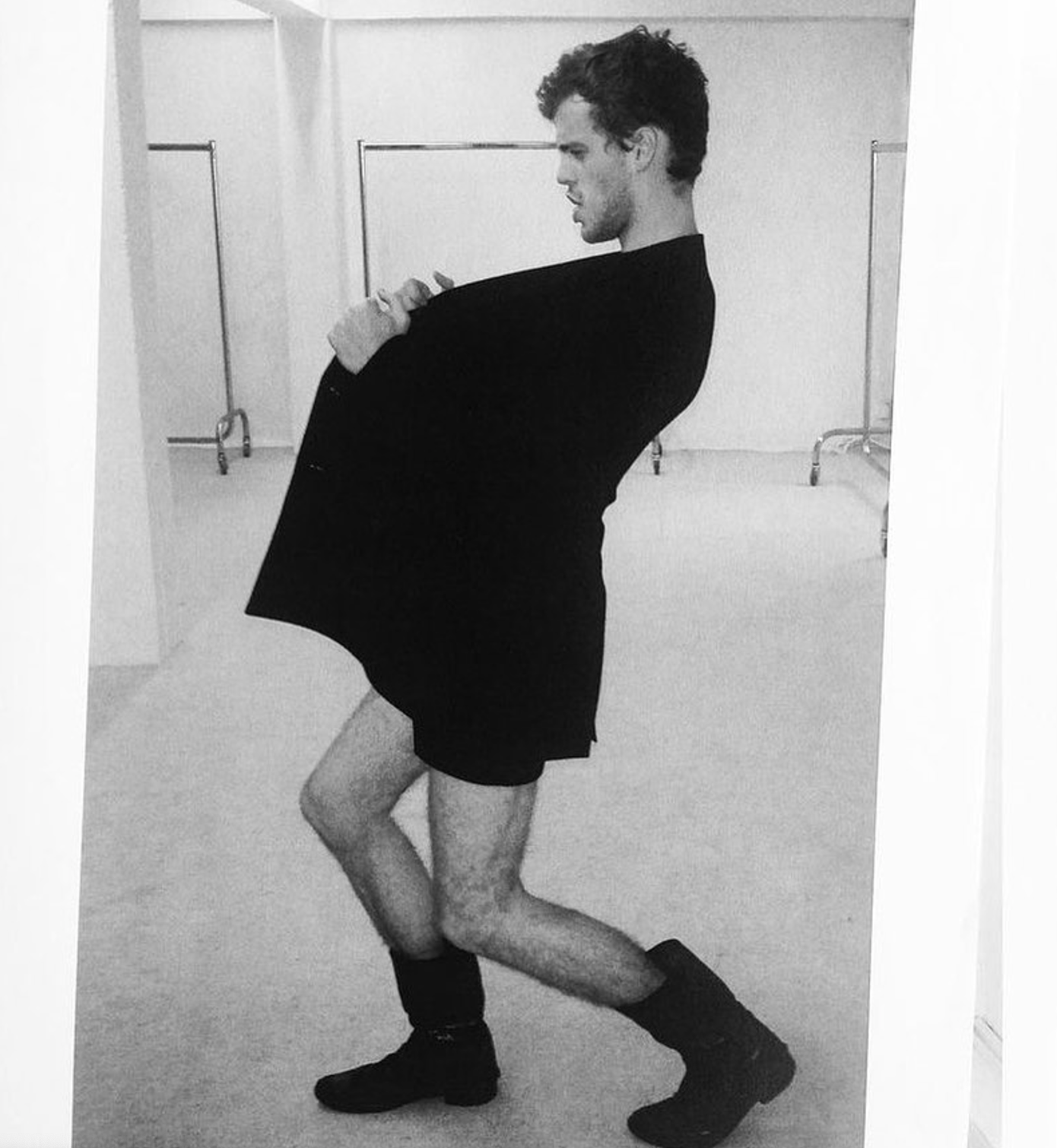
Dario Vitale Steps Into the Armani Era
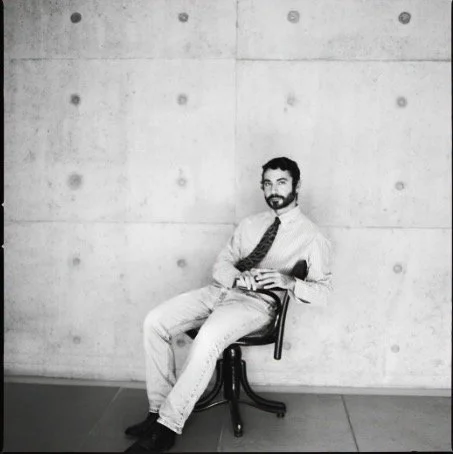
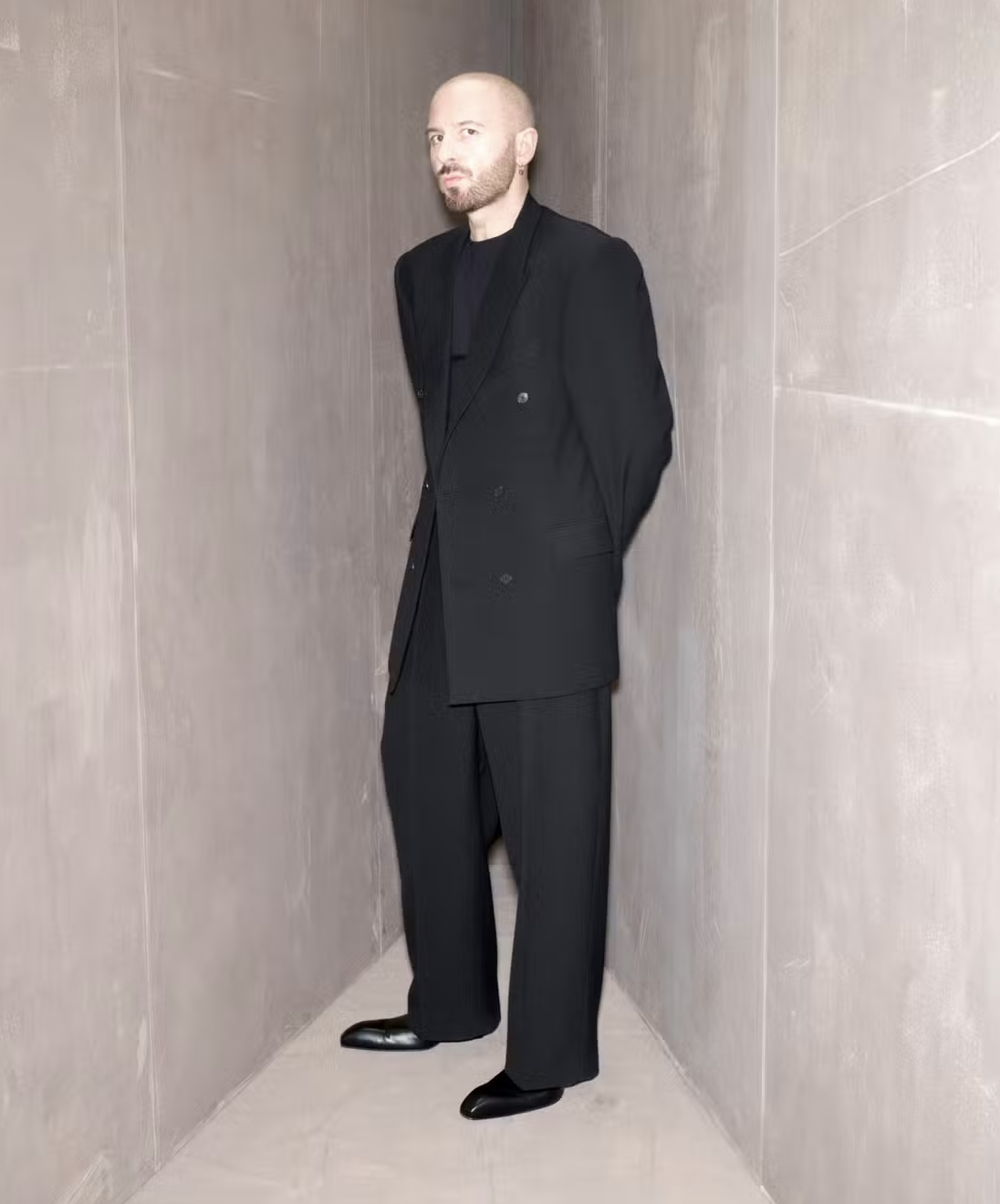
The designer who quietly reshaped Miu Miu, then had one brief, closely watched season at Versace, has just been named Creative Director of Emporio Armani the first person outside the Armani family ever handed that title.
There's a version of Dario Vitale's career that reads like a masterclass in patience. Born in 1983 near Naples and trained at Istituto Marangoni in Milan, he didn't arrive in fashion with a splashy debut or a viral first collection. He started at Dsquared2, stayed a year, then moved to Bottega Veneta to work under Tomas Maier the kind of quiet, exacting apprenticeship that shapes a designer's hand long before the public ever learns their name.
In 2010, he joined Miu Miu. He would stay for nearly fifteen years.
The Miu Miu Years
This is the stretch of Vitale's career that fashion insiders actually point to when they try to explain why Armani wanted him. Working closely alongside Miuccia Prada, Vitale rose to Design Director of Ready-to-Wear and eventually took on responsibility for the brand's image as a whole. Those fifteen years happened to coincide with Miu Miu's transformation from a slightly cult, slightly niche Prada sister label into one of the most commercially dynamic and culturally dominant houses in fashion the ballet flats, the low-rise skirts, the styling that made "Miu Miu core" a genuine internet phenomenon. Vitale wasn't the face of that shift. He was one of the people quietly building it.
He left Miu Miu in early 2025.
A Single Season at Versace
What came next was, by fashion's standards, a whirlwind. In March 2025, Vitale was named Chief Creative Officer of Versace becoming, notably, the first designer from outside the Versace family to lead the house's creative direction. It was a significant, closely watched appointment for one of Italian fashion's most recognizable names.
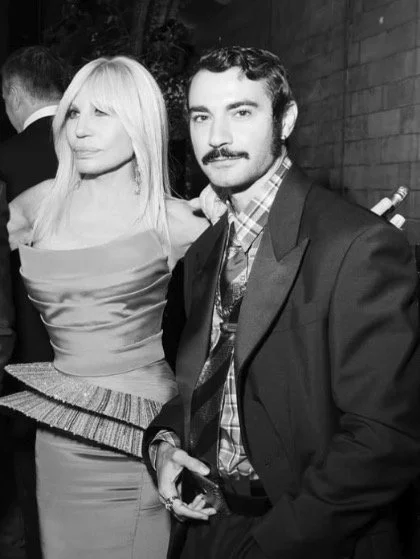
He presented exactly one collection, for Spring/Summer 2026, during Milan Fashion Week that September. Then, in December 2025, he departed not long after Prada Group completed its acquisition of Versace from Capri Holdings. A single season is a strange, compressed amount of time to leave a mark on a house as loaded with history as Versace, and Vitale's brief tenure there was defined as much by the deal happening around him as by the clothes themselves.
Now, Armani
Which brings us to this week. The Armani Group has named Vitale Creative Director of Emporio Armani, with an additional mandate over Giorgio Armani Accessories effective immediately. It's a landmark appointment for reasons that go well beyond one designer's resume: Vitale is the first person from outside the Armani family ever to hold creative leadership over one of the group's major lines.
The timing matters. Giorgio Armani died in September 2025 at the age of 91, having maintained direct, hands-on oversight of his empire for decades. In the months since, Emporio Armani's collections have been steered by Silvana Armani and Leo Dell'Orco his longtime collaborators including the label's upcoming Spring/Summer 2027 collection, which will be presented in Milan on September 24 without Vitale's involvement. His first collection for the house isn't expected until early 2027. Going forward, he'll work alongside Silvana Armani and Dell'Orco rather than replacing them outright, a structure that reads as much about continuity as it does about renewal.
In a statement, Vitale called it an honor to take on the role, describing Armani's design language as one that has "shaped the history of fashion." Silvana Armani and Dell'Orco, for their part, framed Emporio specifically historically the more youthful, experimental line within the Armani universe as the right entry point for an outsider, describing it as "a space of freedom, experimentation and energy."
What It Means
For Emporio Armani, this is the first real test of whether a design language this singular this tied to one man's eye for six decades can evolve under someone who didn't build it. For Vitale, it's a very different kind of assignment than either of his last two jobs: not the insurgent energy he helped build at Miu Miu, and not the compressed, deal-driven chaos of his Versace season, but something slower and more institutional stewarding a legacy while figuring out, carefully, how much of it to change.
Fashion will be watching closely to see how much of Dario Vitale shows up in Emporio Armani's clothes, and how much of Armani he's careful to leave exactly as he found it. We won't know until early 2027. Until then, this is a designer being handed one of the most delicate briefs in fashion: honor a legacy without simply repeating it.
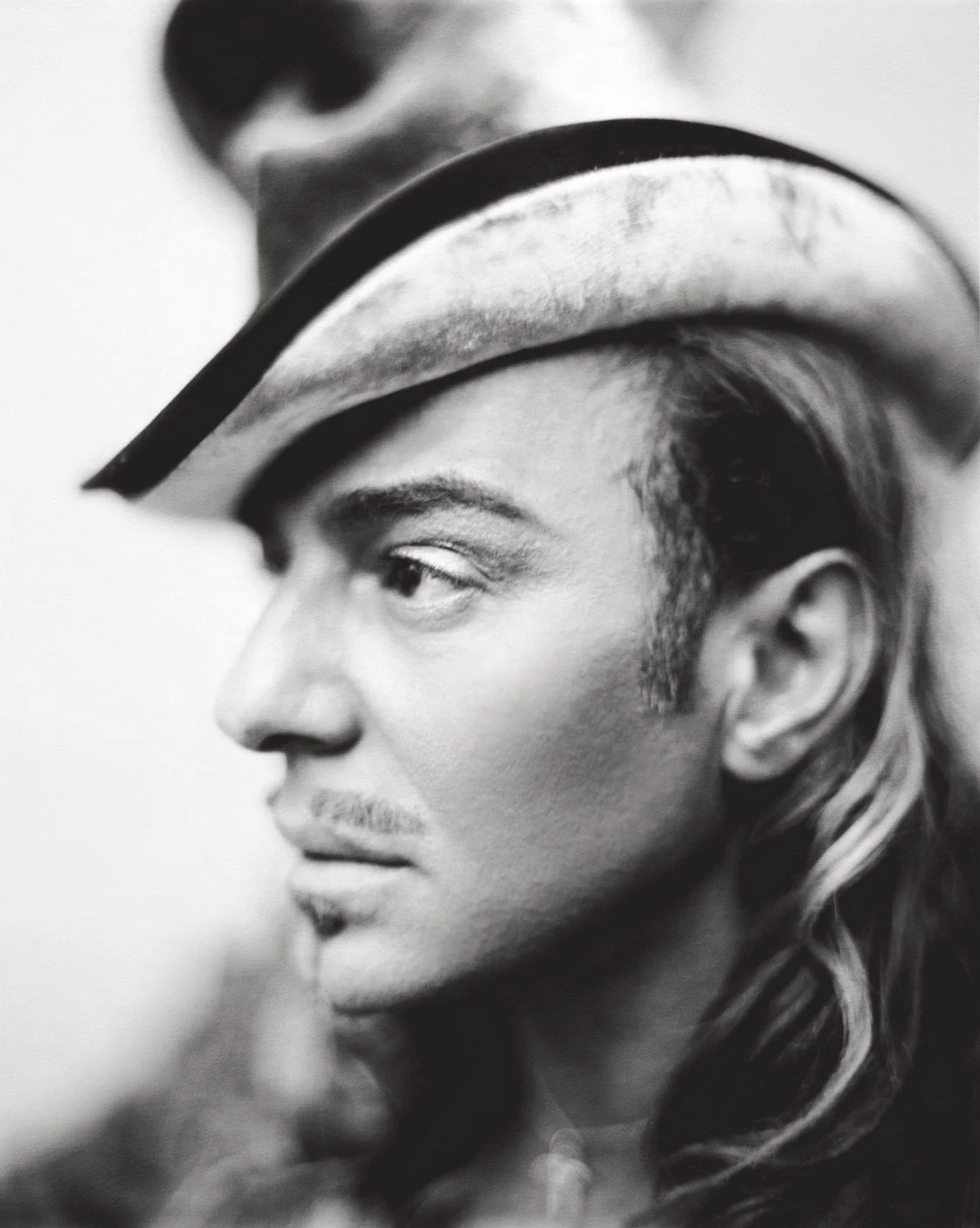
A Visionary Awakens: The Met Gala Honors John Galliano
The Metropolitan Museum of Art has officially announced its Costume Institute theme for the 2027 Met Gala: "John Galliano: Horizons". Celebrating the complicated yet undeniably influential four-decade career of the 65-year-old designer, the exhibition will trace his evolution from a standout graduate of Central Saint Martins to his theatrical eras at Givenchy and Dior, and eventually his transformative tenure at Maison Margiela. The retrospective promises a full-circle look at Galliano's creative process, exploring his myriad inspirations and addressing the personal and public controversies that have shaped his legacy.
The Reawakening at Maison Margiela
While Galliano's time at Dior redefined modern couture with unapologetic romance and historical drama, his recent work at Maison Margiela introduced his artistry to an entirely new generation. Before stepping down as creative director in late 2024, Galliano delivered what is widely considered a masterclass in modern fashion.
The Artisanal Spring 2024 Collection: This viral couture show served as a stunning capstone to his time at the Maison.
Theatrical Proportions: The collection was defined by extreme, hourglass silhouettes, expert bias-cut techniques, and intricate tailoring.
Otherworldly Beauty: Models mesmerized the runway adorned in striking porcelain-glass makeup, blurring the lines between fashion, performance art, and fantasy.
Unconscious Glamour: Unique techniques like "filigrading" (hand-wired metalwork) and "exfoliage" were prominent, creating looks that resembled precious, light-refracting jewelry—most notably seen in Kim Kardashian's custom look at the 2024 Met Gala.
What to Expect on the Red Carpet
The 2027 Met Gala, scheduled for May 3, will undoubtedly see fashion's elite embracing the unmistakable hallmarks of Galliano's theatricality. Guests will likely dive deep into his vast archives, pulling references that range from 19th-century portraiture to dramatic, billowing silhouettes.
Which of his iconic eras are you most excited to see represented on the Met Gala steps?
Anna Wintour Announces 2027 Met Gala Theme This clip provides the official announcement and curatorial details regarding the 2027 Met Gala honoring John Galliano's complex legacy.
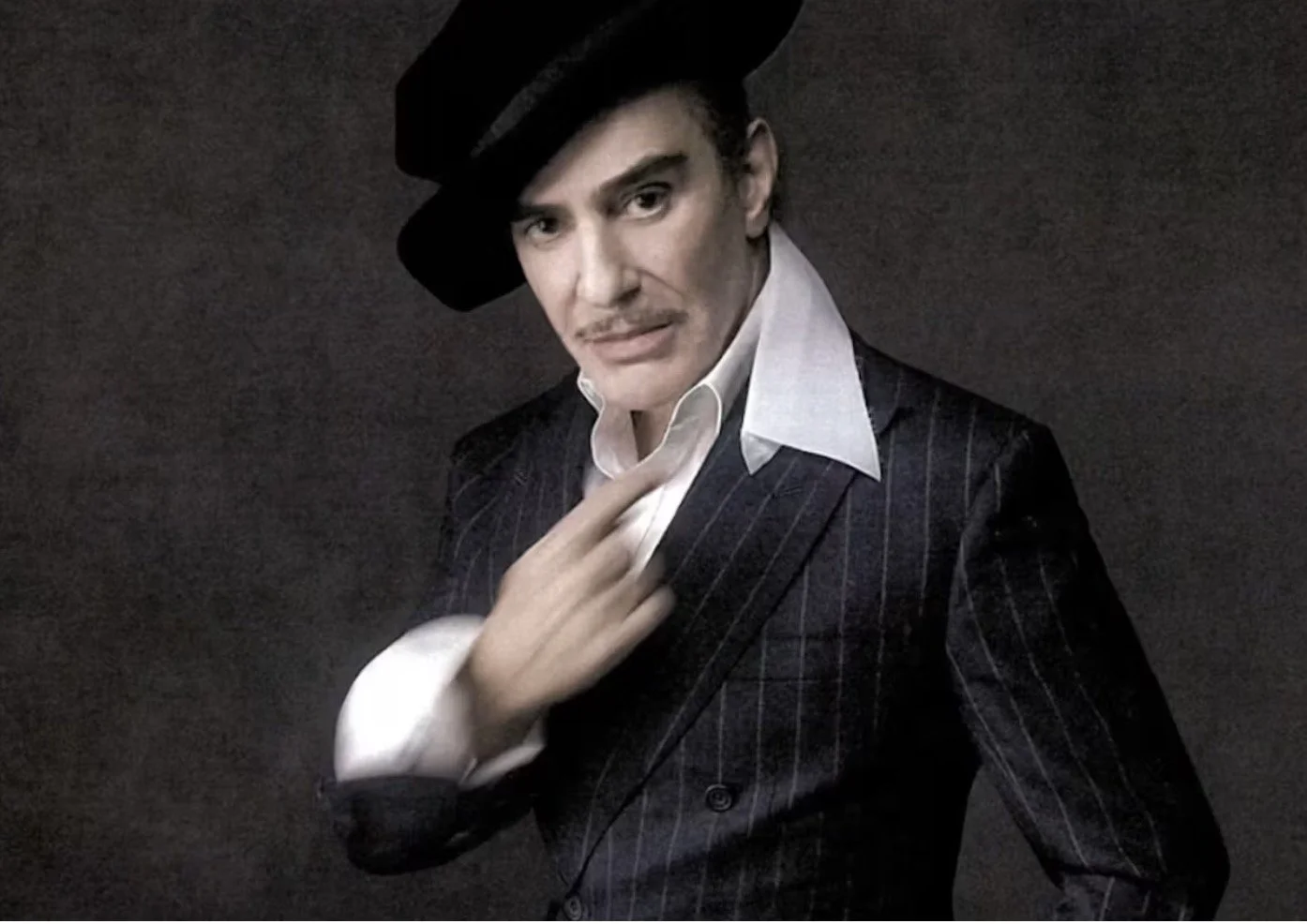
In an unexpected move that bridges high couture sensibility with fast-fashion reach, John Galliano and Zara have announced a creative partnership slated to launch this year. The collaboration pairs Galliano’s theatrical, deconstructed aesthetic with Zara’s global production and distribution network — a combination likely to redraw lines between runway artistry and mass-market accessibility.
Sources indicate the partnership will produce seasonal collections developed under Galliano’s creative direction, with design elements that reference his signature flourish: bold tailoring, dramatic silhouettes, and crafted detailing. Zara is expected to leverage its rapid manufacturing cycle to deliver pieces worldwide at accessible price points, while Galliano gains the scale to present his vision to a broader audience.
This move signals an ongoing industry trend: established designers partnering with high-street retailers to expand brand exposure and generate new revenue streams. For Zara, collaborating with a figure like Galliano reinforces its positioning as a tastemaker able to translate avant-garde concepts for mainstream consumers. For Galliano, whose work is known for narrative-driven, often couture-level craftsmanship, the partnership offers an opportunity to experiment with new formats and materials at scale.
Reaction within fashion circles is likely to be mixed. Enthusiasts may welcome wider access to Galliano’s design language, while critics could question whether his visionary aesthetics will be diluted by Zara’s cost-driven model. The success of the venture will hinge on balancing creative integrity with commercial constraints and on transparent communication about materials, production standards, and price tiers.
The collaborators have indicated a first capsule will debut later this year, with exact dates and retail channels to be announced. Expect editorial campaigns that emphasize the theatricality of Galliano’s design alongside Zara’s streamlined retail presentation.
The Galliano–Zara partnership is a high-profile example of couture meeting commerce. If executed thoughtfully, it could set a new standard for designer–retailer collaborations by making elevated design more accessible without entirely sacrificing artistic identity. The industry will be watching closely.
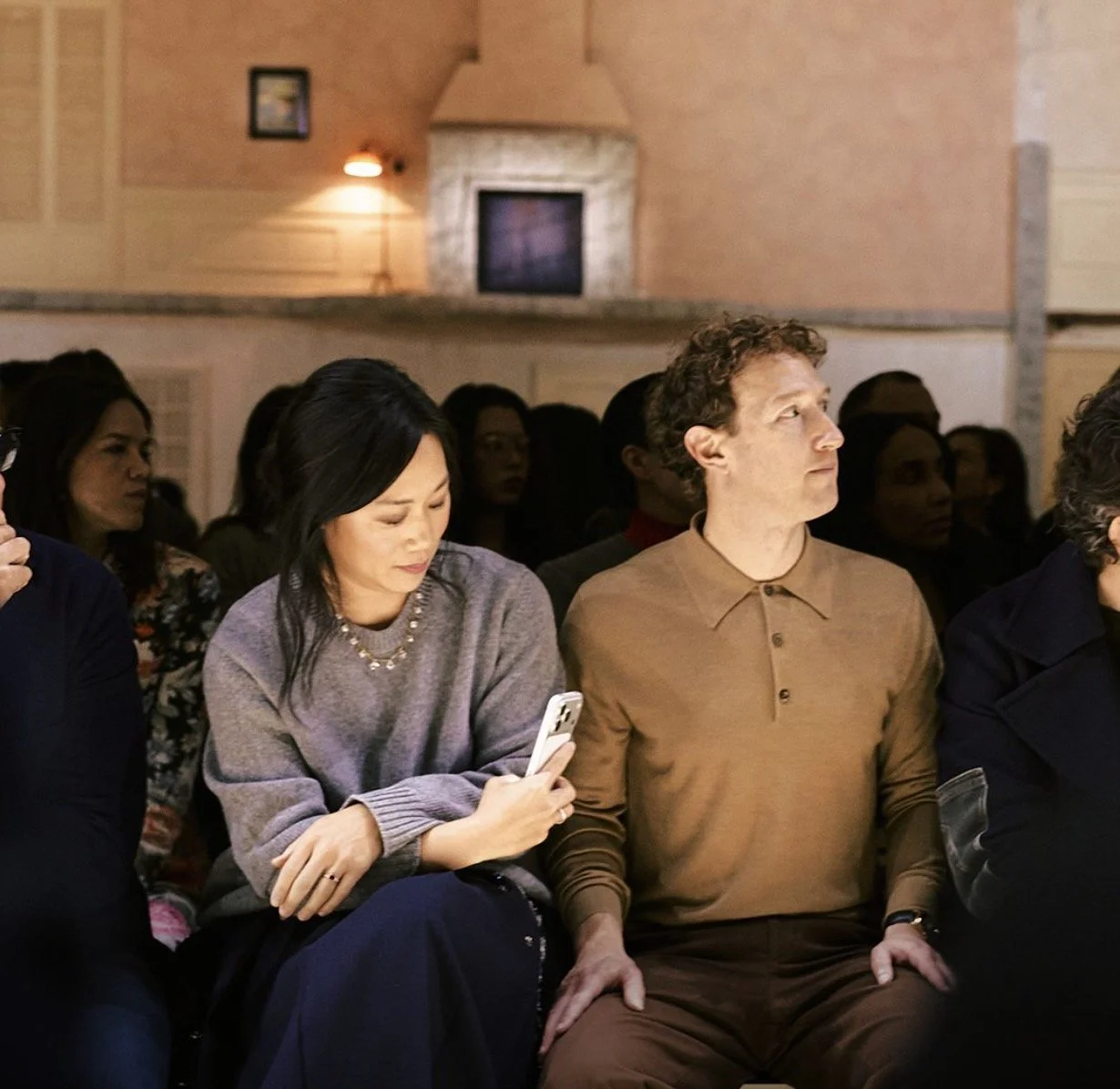
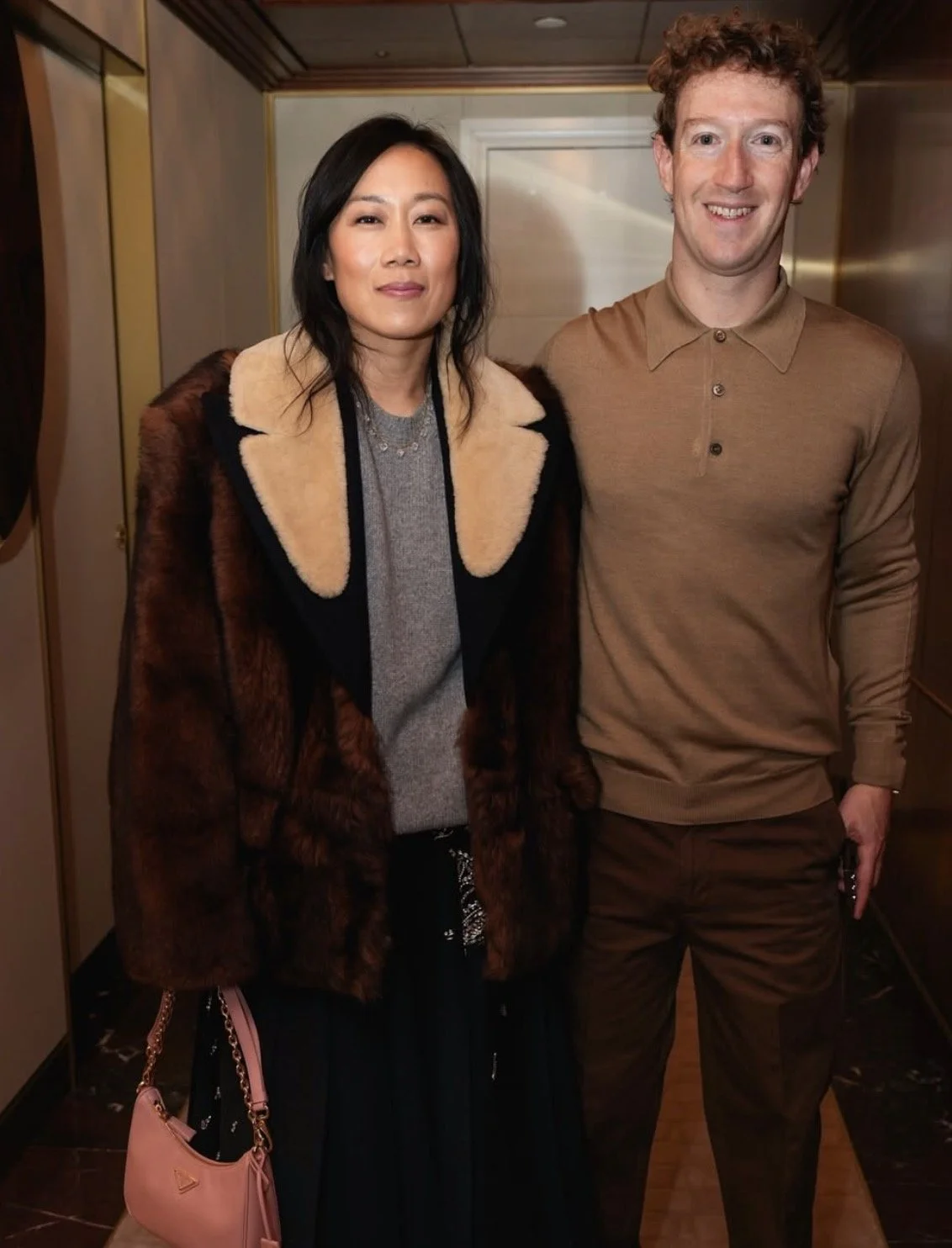
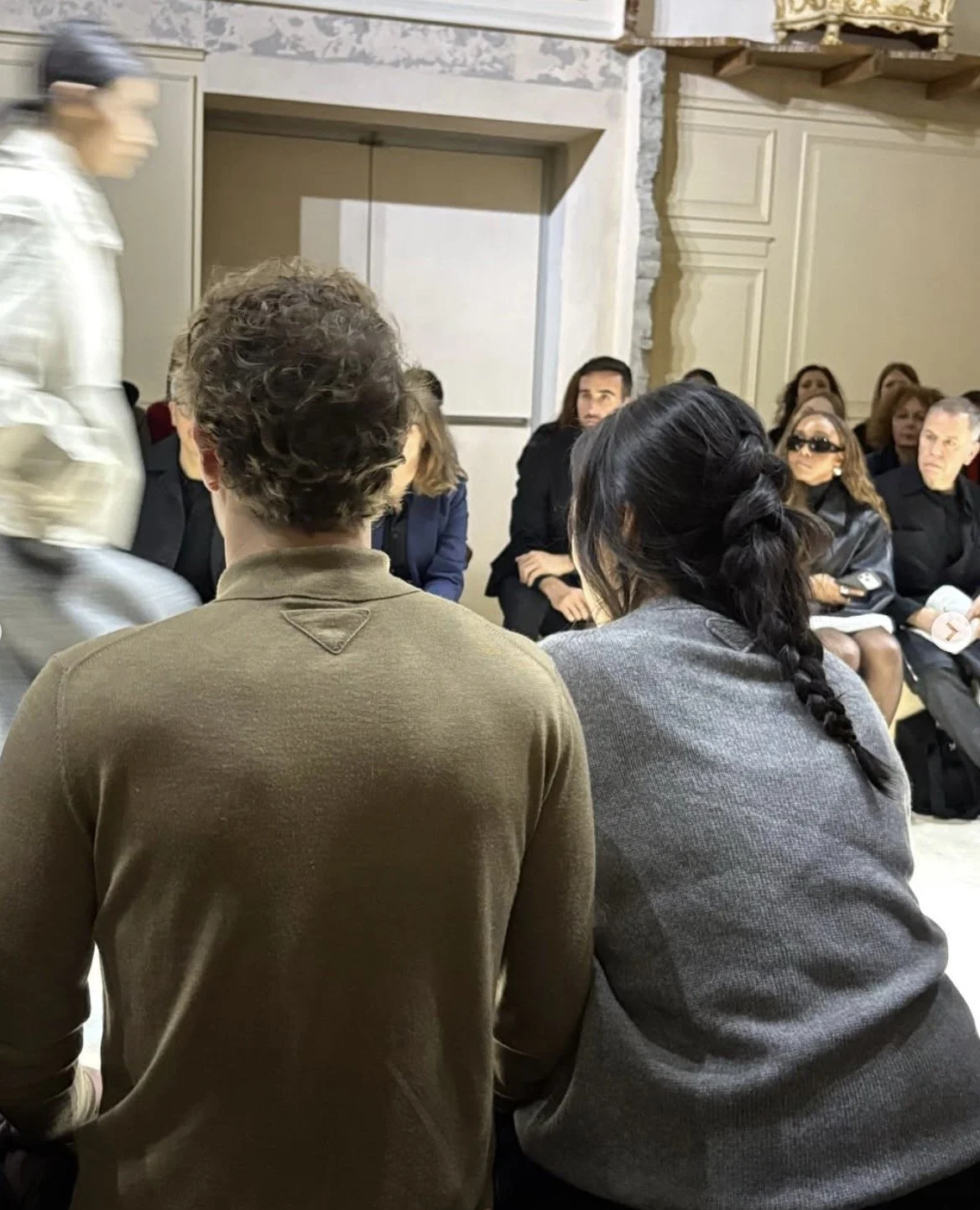
Mark Zuckerberg and Priscilla Chan’s recent front-row debut at Prada’s Fall/Winter 2026 show in Milan has been widely interpreted as a calculated power move, signaling a shift from Silicon Valley utilitarianism to high-fashion relevance. Zuckerberg’s departure from his signature "grey hoodie era"—opting instead for a tan knit polo, brown trousers, and Prada loafers—suggests a more deliberate, grown-up approach to his personal brand that aligns with Meta’s luxury ambitions. Critics and industry observers noted that while Priscilla Chan appeared "entirely at home" in a minimalist ensemble of navy and grey, the couple’s arrival alongside Anna Wintour was a "coordinated statement" of cultural intent.
The consensus among fashion insiders is that their presence was less about personal style and more about "structural" alliances between tech and luxury. By sitting next to Prada’s chief merchandising officer, Lorenzo Bertelli, Zuckerberg fueled intense speculation regarding a future collaboration for high-end AI smart glasses. This intersection of "aspirational storytelling" and "digital identity" positions Meta as a partner to cultural tastemakers, though some observers remain wary of the potential for privacy concerns as tech increasingly embeds itself into the luxury garment.
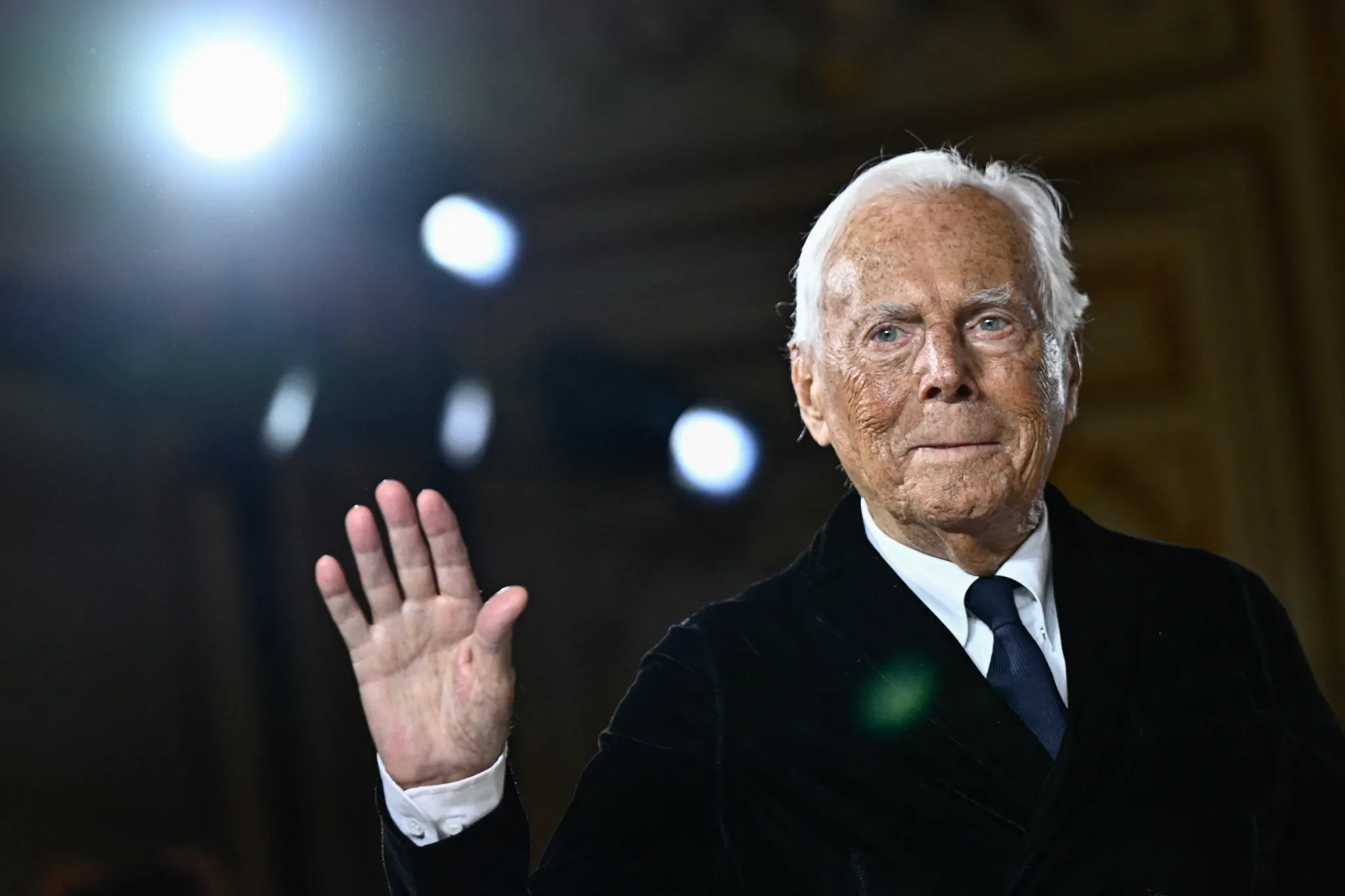
(Photo by JULIEN DE ROSA/AFP via Getty Images)
Giorgio Armani and Valentino Garavani have each defined decades of high fashion through distinct aesthetics and unprecedented brand building. Their recent departures from active creative life — a formal retirement from day-to-day design in Armani’s case and Valentino Garavani’s decision to step back from public involvement with the maison he founded — mark the end of an era and prompt a reassessment of how heritage houses will navigate change in the 2020s.
Two legacies, two vocabularies. Giorgio Armani transformed menswear and modern suiting into global cultural currency. His minimalism, precision tailoring and muted palette reoriented luxury toward understated elegance. Armani’s influence expanded from runway and red carpet into lifestyle: fragrance, architecture, hospitality and eyewear made Armani a global ecosystem rather than a single label.
Valentino Garavani built a different kind of mythos: opulent romanticism anchored by red-carpet glamour, dramatic couture and an instantly recognizable codified language — Valentino red, embroidered tulle, rockstuds in later decades. Valentino’s creations read as theatrical, feminine and cinematic, and the brand became synonymous with celebration dressing.
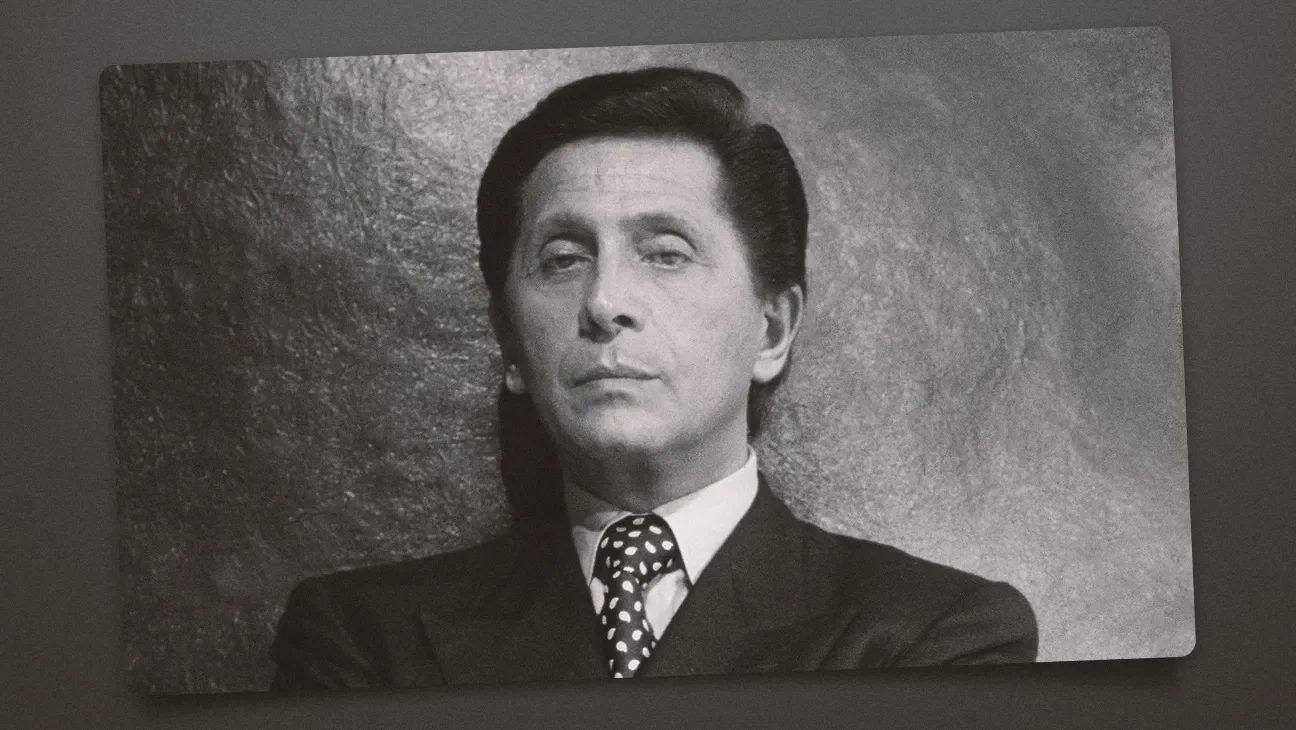
Valentino Garavani GIANNI GIANSANTI/GAMMA-RAPHO/GETTY IMAGES
Both houses have long prepared successors and appointed creative directors, but the departures sharpen scrutiny. Armani’s aesthetic is famously personal and cohesive; successors must balance respect for the signature minimalism with pressures to modernize for younger buyers and digital-native markets. Valentino’s house needs to steward its high-drama heritage while staying relevant — a challenge its recent creative directors have met by reinterpreting rather than replacing signature codes.
Armani’s strength across lifestyle categories gives the house diversified revenue but also dilutes fashion’s signal if not tightly curated. Valentino’s strong couture and red-carpet visibility maintain prestige but rely on continued cultural relevance. Both houses will likely emphasize licensing, diffusion lines and collaborations to capture younger consumers and sustainable growth.
Heritage brands are high-value assets for luxury conglomerates and private owners. Clear succession plans and steady creative output are vital to maintaining stock-market confidence, wholesale accounts and celebrity partnerships. Any misstep in direction or consistently weak collections could erode wholesale relationships and resale value quickly.
Armani and Valentino represent the archetype of designer-founders whose names and personalities defined creative output. Their retirements accelerate a broader industry shift: the brand as platform rather than single auteur. Houses will increasingly act like cultural curators — cycling guest creatives, artist collaborations and capsule drops — to remain relevant in an attention-driven marketplace.
Both names embody craftsmanship — tailoring in Armani’s case, haute couture techniques for Valentino. Maintaining artisanal skills will require continued investment in ateliers, apprenticeships and supply-chain patience even as short-cycle fashion and data-driven product strategies dominate. Their exits highlight the urgency of preserving technical knowledge within each maison.
Armani’s suiting and Valentino’s ceremonial gowns have shaped how celebrities communicate identity on red carpets. As content channels fragment, these visual codes will be reinterpreted by stylists who may lean on younger designers for novelty. The role of heritage brands may shift more toward lending prestige rather than dictating trends.
New creative leads can re-energize houses by mixing archival motifs with contemporary references — tailoring cuts that appeal to Gen Z, or Valentino’s motifs translated into gender-fluid pieces. Smart use of digital storytelling, immersive retail and limited-edition drops can convert heritage prestige into cultural currency.
Over-licensing, frequent creative turnover, or pivoting too aggressively away from core aesthetics risks alienating loyal clients. Balancing accessibility and exclusivity will be a central managerial challenge.
With founders’ names no longer front-and-center in daily operations, brands face heightened expectations for corporate governance on sustainability, labor practices and authenticity. Legacy brands must show they can lead in these areas without losing the romance that defines them.
What to watch next
The next five runway seasons for each house will indicate whether new creative directions gain critical and commercial traction.
Collaborations with artists, tech companies or streetwear labels will reveal strategies to court younger demographics.
Investment in ateliers, preservation programs and education initiatives will show commitment to craft continuity.
Shifts in wholesale partnerships, celebrity endorsements and resale-market performance will signal market confidence.
Armani and Valentino’s transitions are more than personnel changes; they are inflection points for how high fashion sustains relevance while honoring craft and heritage. The challenge for their maisons, and for luxury as a whole, is to translate storied pasts into forward-looking cultures that engage new audiences without erasing the signatures that made them vital. If handled with strategic clarity anded menswear and modern suiting into global cultural currency. His minimalism, precision tailoring and muted palette reoriented luxury toward understated elegance. Armani’s influence expanded from runway and red carpet into lifestyle: fragrance, architecture, hospitality and eyewear made Armani a global ecosystem rather than a single label.
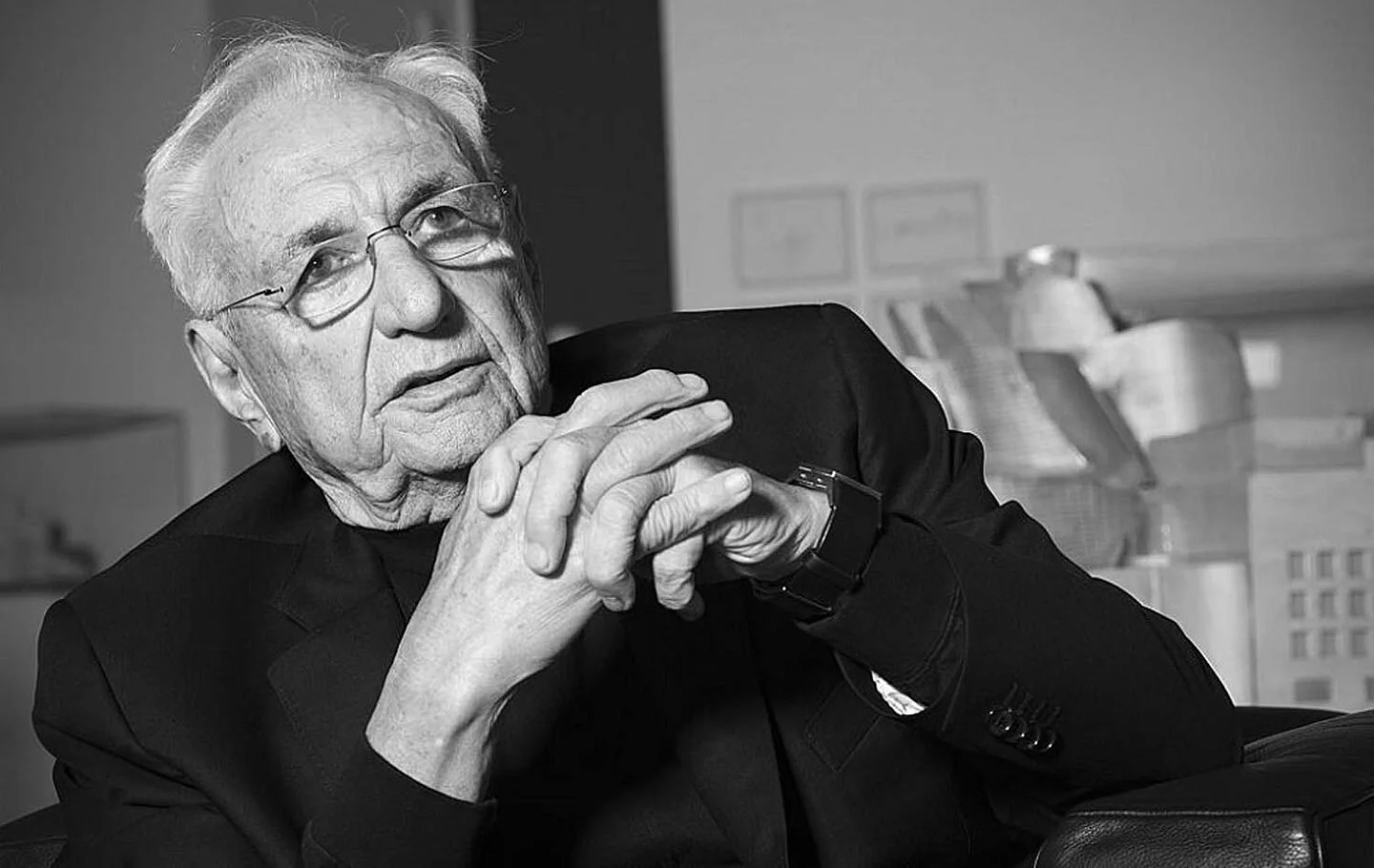
Frank Gehry, the visionary architect whose sculptural buildings transformed the landscape of contemporary architecture, died at 96. Known for his daring forms, unconventional materials, and a career that blurred the line between art and architecture, Gehry became a cultural icon whose work reshaped cities and reimagined what buildings could be.
Early life and career Born Frank Owen Goldberg on February 28, 1929, in Toronto, Canada, Gehry moved with his family to Los Angeles as a child. He studied at the University of Southern California School of Architecture and later at the Harvard Graduate School of Design (summer program), though much of his early formation came from practical experience: working in architecture firms, running his own small practice, and teaching. He anglicized his surname to Gehry in the 1950s and established his own pra

Signature works Gehry’s portfolio spans cultural institutions, civic structures, private residences, and commercial projects. His most famous work is the Guggenheim Museum Bilbao (1997). Located in Bilbao, Spain, the museum is widely credited with catalyzing the “Bilbao Effect”—the theory that a single iconic cultural landmark can revitalize a city’s economy and global profile. The Bilbao building’s undulating titanium-clad forms, free-flowing spaces, and dramatic interplay of light and surface established Gehry’s reputation worldwide and became a defining image of late-20th-century architecture.
Other major works include:
Walt Disney Concert Hall (Los Angeles, 2003): A stainless-steel-clad concert hall with sweeping, ship-like forms that has become a Los Angeles landmark and a centerpiece for the city’s cultural life.
Louis Vuitton Foundation (Paris, 2014): A glass-and-steel structure resembling billowing sails that houses contemporary art exhibitions and reflects Gehry’s ongoing fusion of architecture and sculpture.
Dancing House (Prague, 1996, with Vlado Milunić): A playful, deconstructivist pair of leaning towers that brought Gehry’s aesthetic to a historic European setting.
Fondation Louis Vuitton and the Frederic C. Hamilton Building for the Denver Art Museum (Gehry provided designs for museum expansion): projects that further showcased his material experiments and fragmented, dynamic volumes.
The Fish/IMM Building and the Experience Music Project (Seattle, 2000, now MOPOP): eclectic, colorful forms exploring new veneers and structural expression.
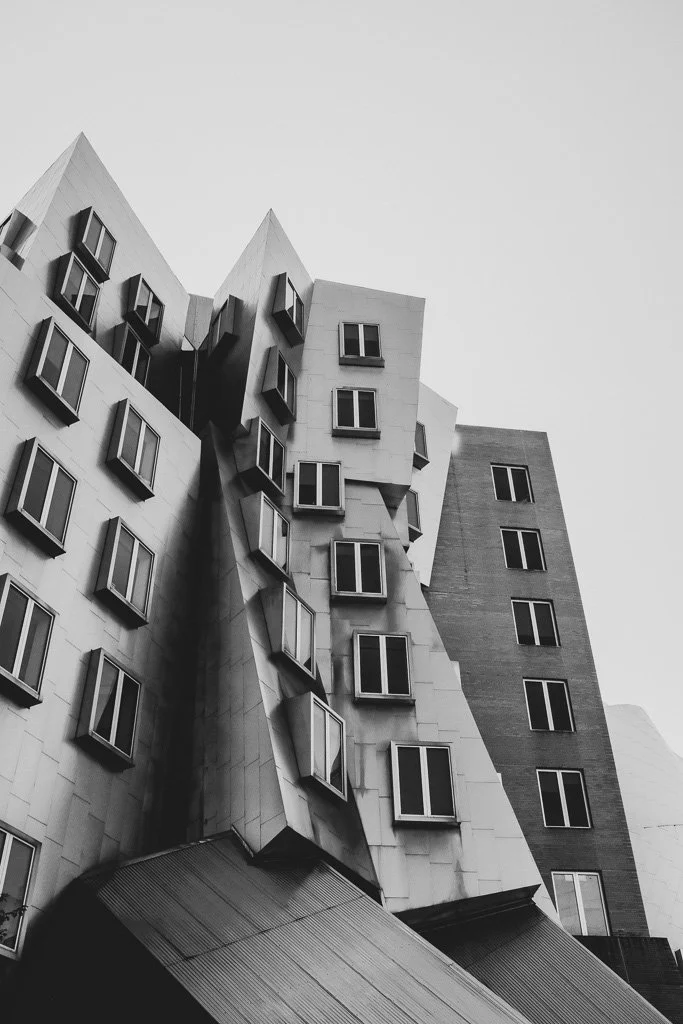

Design approach and influence Gehry’s approach favored model-making, physical experimentation, and an embrace of irregular, fragmented geometries often associated with deconstructivism. He frequently used nontraditional materials—corrugated metal, chain-link fencing, titanium panels—and leveraged advances in computer-aided design to translate complex models into buildable structures. His work challenged orthodoxies about proportion, ornament, and the role of architecture within urban contexts. For clients and cities, Gehry’s buildings often became identity-making projects that drew tourism, investment, and civic pride.
Interesting facts
From Fish to Fame: Gehry’s early use of chain-link and corrugated metal on modest residential renovations in the 1960s and 1970s hinted at the raw, industrial textures later refined in major commissions.
Pop Culture and Collaborations: Gehry collaborated with artists, musicians, and brands—designing jewelry, furniture and even a limited-edition shoe—for cross-disciplinary projects that extended his aesthetic beyond buildings.
The Bilbao Effect: The dramatic economic and cultural turnaround attributed to the Guggenheim Bilbao transformed how cities and developers think about iconic cultural architecture as a tool of urban regeneration.
Love of Models: Gehry often preferred building physical models and sketching in three dimensions; his studio was renowned for dense clusters of models that informed the final designs.
Late-career productivity: Well into his later decades, Gehry remained active, overseeing major projects worldwide and mentoring younger architects through his practice.
Legacy Frank Gehry’s career reshaped the vocabulary of contemporary architecture by demonstrating that buildings could be expressive, theatrical, and instrumental in defining civic identity. His Guggenheim Bilbao and Walt Disney Concert Hall will remain touchstones in architectural history—ambitious experiments that bridged artistry and engineering. Beyond individual buildings, Gehry’s influence persists in how architects and cities conceive of landmark projects as catalysts for cultural and economic change. He leaves behind a global body of work that continues to provoke debate, inspire creativity, and alter skylines.