Armani says fashion marketing "raping" women
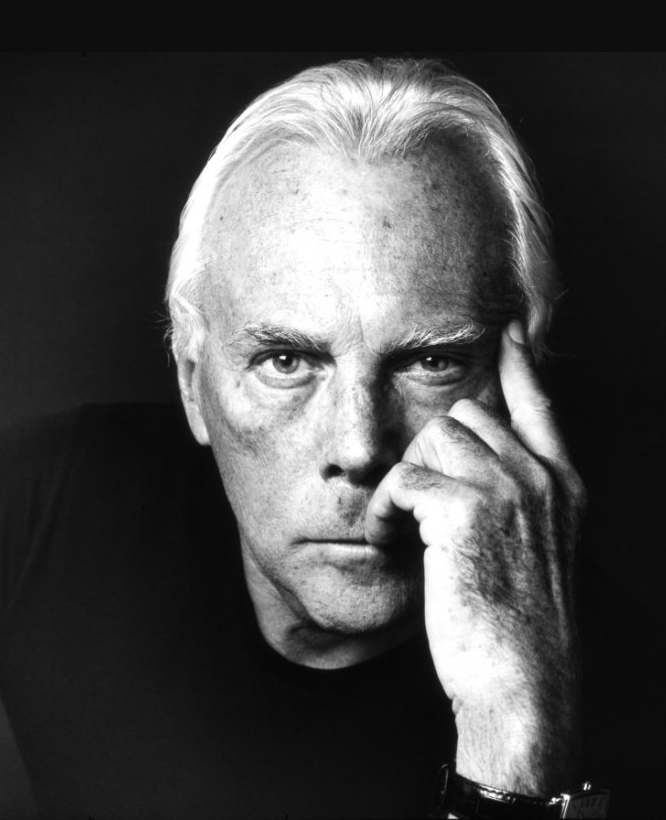
MILAN, Feb 21 (Reuters) - Giorgio Armani accused the fashion industry on Friday of “raping” women with short-lived trends and sex-driven marketing.
“I think it’s time for me to say what I think. Women keep getting raped by designers,” Armani, 85, told reporters on the sidelines of a show for his Emporio Armani line at Milan Fashion Week.
“If a lady walks on the street and sees an ad with a woman with her boobs and arse in plain sight and she wants to be like that too, that’s a way of raping her,” Armani said. “You can rape a woman in many ways, either by throwing her in the basement or by suggesting that she dresses in a certain way.”
Armani, known for his sober, elegant outfits, founded his label in 1975 and has built it into a global brand.
“In my show, there are short skirts, long skirts, ample and tight trousers. I have given maximum freedom to women who can use all possibilities if they are sensible,” he said.
“I’m sick of hearing the word ‘trend’. We need to try to work for today’s woman. There shouldn’t be trends,” he said.
He said his Emporio Armani show, his younger line, was inspired by “strong-willed” young women.
He will present the Fall/Winter 2020 collection for his main Giorgio Armani line on Sunday. (Reporting by Claudia Cristoferi ; Writing by James Mackenzie; Editing by Janet Lawrence)






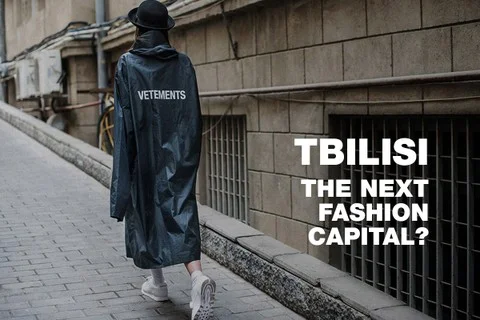
TBILISI TOP DESIGNER NAMES TO INVEST IN
In a highly competitive market, it has somehow become a requisite for capital cities to have their own fashion week like those in NY, Russia, Hong Kong and Berlin as a visual demonstration of wealth and taste. In the last three years, Tbilisi became a new hot-spot for buyers and opinion makers looking for authenticity, avant-gardism and exoticism. Georgian fashion scene has gone through an unprecedented development. How ? Just take a look at the talent .
ALEKSANDRE AKHALKATSISHVILI
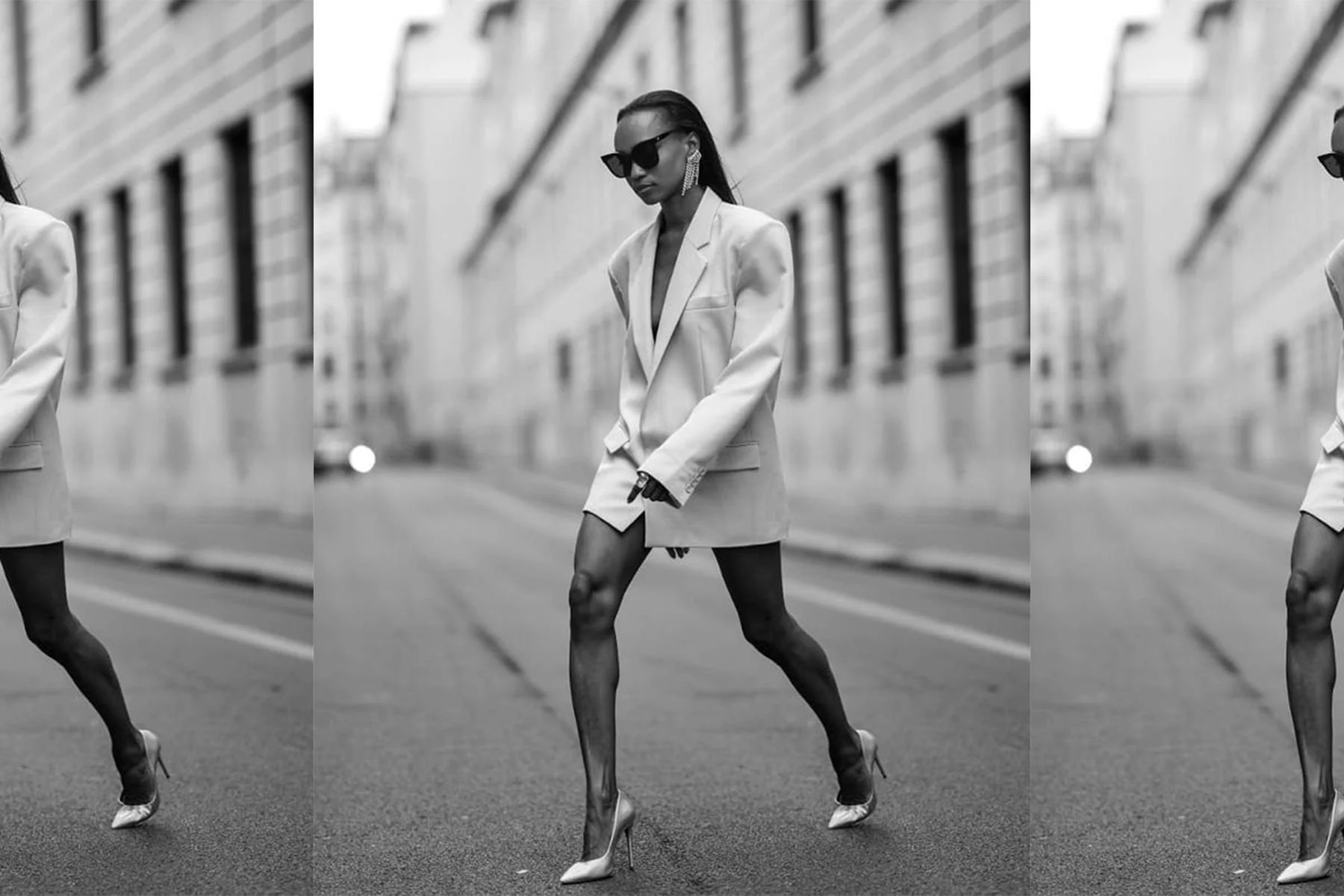
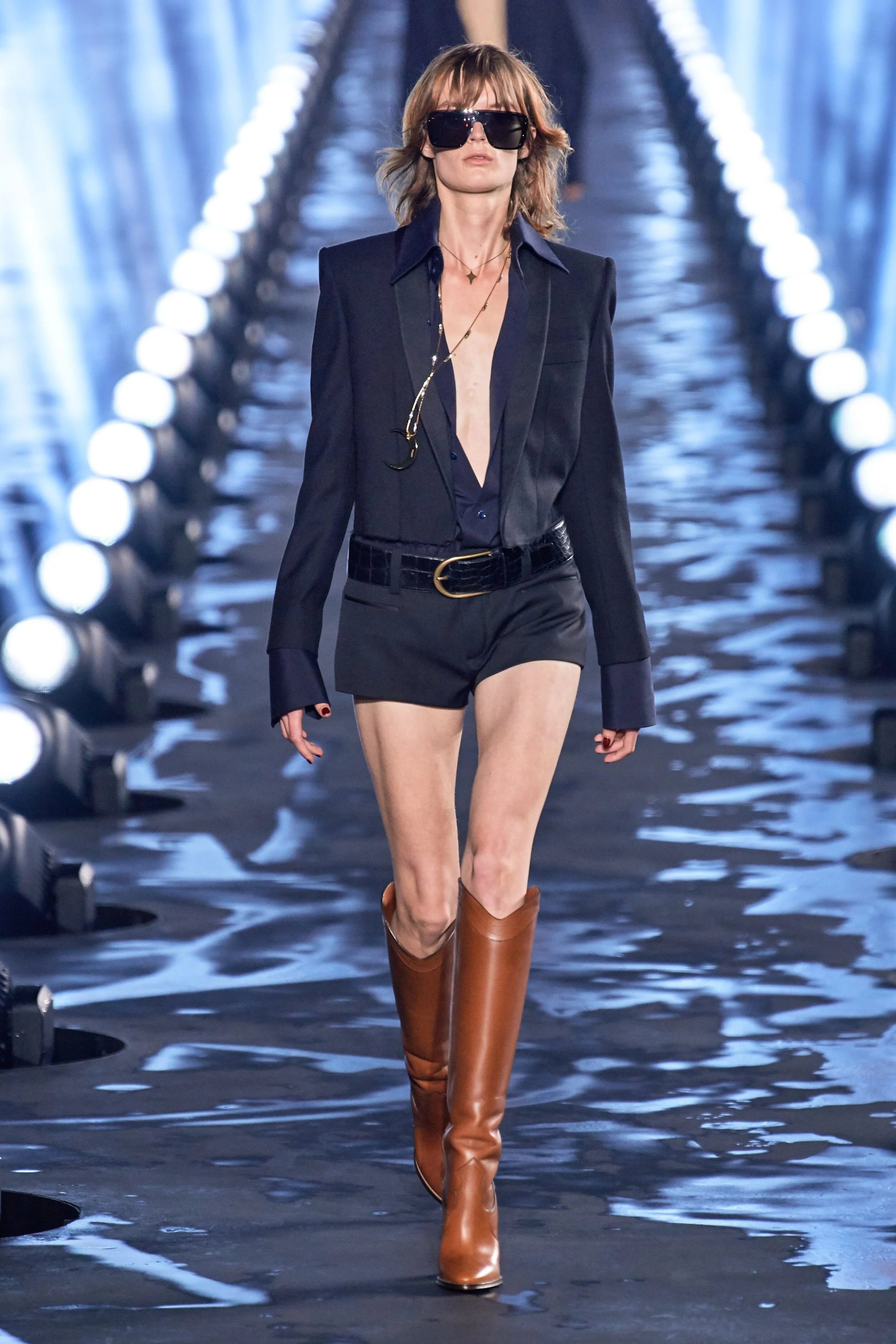
Aleksandre Akhalkatsishvili is leading the vanguard of Tbilisi talents bringing fashion clout (and a global audience) to the city. He’s known for strict lines and conservative silhouettes, cooled-up with draping, strong colors, and a boyish spirit—and Spring delivers just that in his signature faux eco-leather. Find it in an array of suiting, with an edge—think: cropped blazers that tie at the waist, dramatic slits, and V-shaped waistlines—alongside his sophisticated draping, updated with asymmetry.
The buys: any of the faux leather trousers (they have the perfect slouch), and the side-tie wrap dress in burnt orange cupro (a silky fabric made from reclaimed cotton linter).


LADO BOKUCHAVA
A beacon of emerging talent, Tbilisi is home to some of the most exciting names in the industry—and chief among them is Lado Bokuchava. The Georgian (who’s also at the helm of Matériel, another coveted Tbilisi label) puts a fresh, effortlessly-cool spin on the classic going-out wardrobe with his directional eye. Here, find his signature irresistible color combinations and unexpected texture with scarf details (the blazer in powder blue and mint green is divine), ruching at the side seams, beautiful drapery, and detachable glove-sleeves on corseted maxis. The buys: the scarf bra—a fluttery, open-back halter—and the sand pink strapless dress with a detachable scarf.


MATÉRIEL
Dubbed “Georgia's most famous label”, Matériel is a destination for the cool tailoring and leather currently pouring out of the region. The label is currently helmed by two buzzy young talents, Aleksandre Akhalkatsishvili and Lado Bokuchava. Their combined aesthetic marries a restrained androgyny with a youthful flair for rich color and sensual ruching. We love the new cutout midi dresses—they’re versatile, standout, and chic.


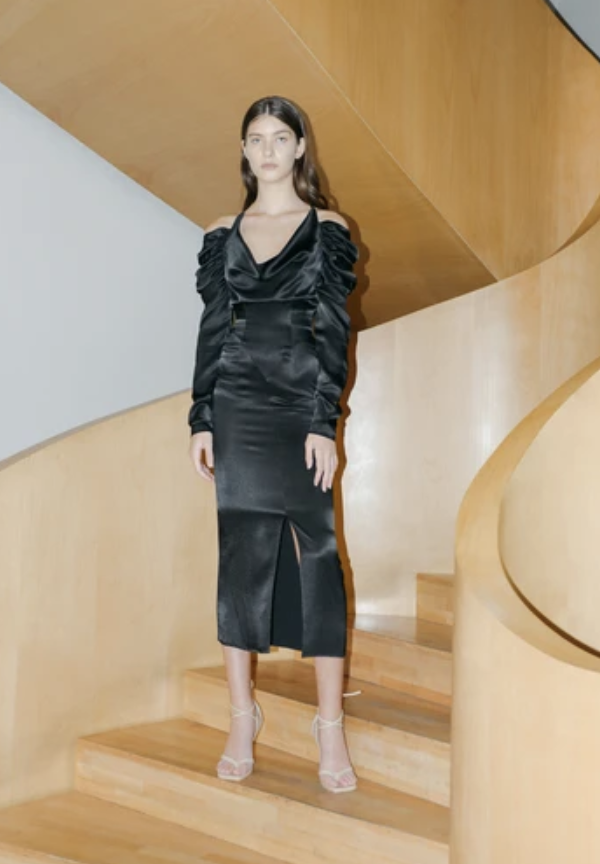


MACH & MACH
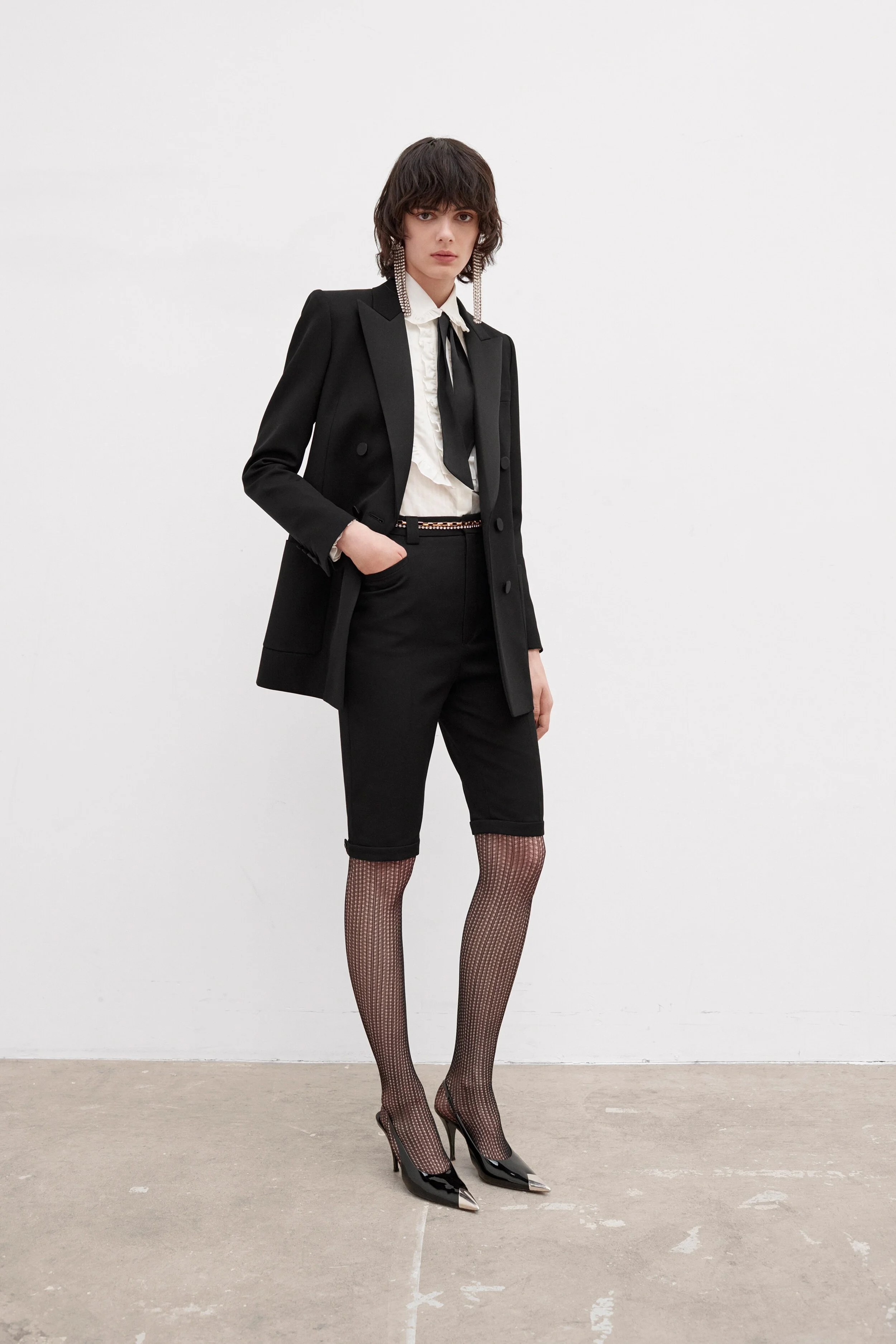
With 141k followers, Mach & Mach, helmed by sister duo Nina and Gvantsa Macharashvili, is Tbilisi’s most famous Instagram brand—and with good reason: the label’s specialty includes sparkle and shine-heavy pieces ideal for parties and other such Insta-worthy occasions. The news for Spring? Reinventions of their bestsellers (see: blazer dresses and silks adorned with diamante details) alongside an introduction of faux leather and a standout '90s-style skinny strap column dress.


GEORGE KEBURIA
Tbilisi-based talent George Keburia has already won over the It set with his offbeat-cool aesthetic—much like the futuristic, wavy-shaped sunglasses that launched his career, his line of geometric, sharp-lined, playful ready-to-wear has earned approval from the A-list (spotted most recently on Kaia Gerber). Spring delivers a range of blazers that bear the traces of his now-signature '80s-cool quirk. We love the longer-line styles: pair with a matching skirt (complete with asymmetric hemlines or draped details), or try wearing it alone for a going-out look with a bit of edge.


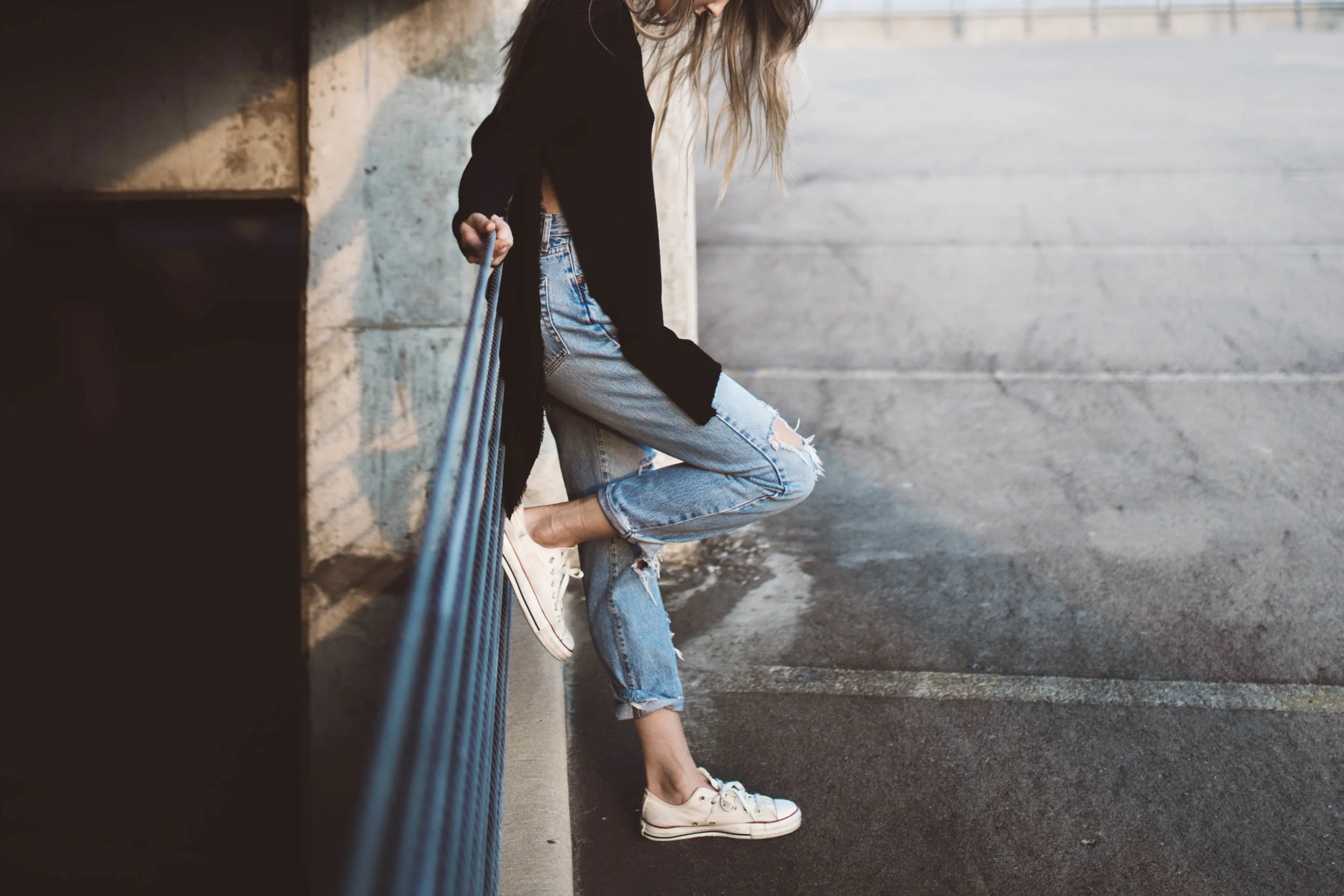
Fashion Facts You Did Not Know
Who Knew?!
You either love or hate fashion. Styles have come and gone, and many of them return into our clothing stores after a few years. Some people just cannot be bothered to keep up with recent trends, while others can’t get enough of the latest styles. You can love it or you can hate it, but here is some interesting fashion facts you will enjoy.

Second-hand clothing was pretty much normal among the wealthy people.
In 1870s, chemical dyes were introduced for underwear, offering the full variety of colours.
Until 19th century, men’s shirts were considered to be underwear.
Réard declared that a real bikini could be “pulled through a wedding ring.”

Louis Réard, the inventor of modern bikini, named it after the Bikini Atoll where the U.S. did extensive nuclear testing.
Nightclothes were first fashioned in 16th century. Until then, people would sleep in day clothes or naked.
Most of French fashion traditions were lost in the Revolution. Napoleon eventually brought the glamour of fashion back in 1804.
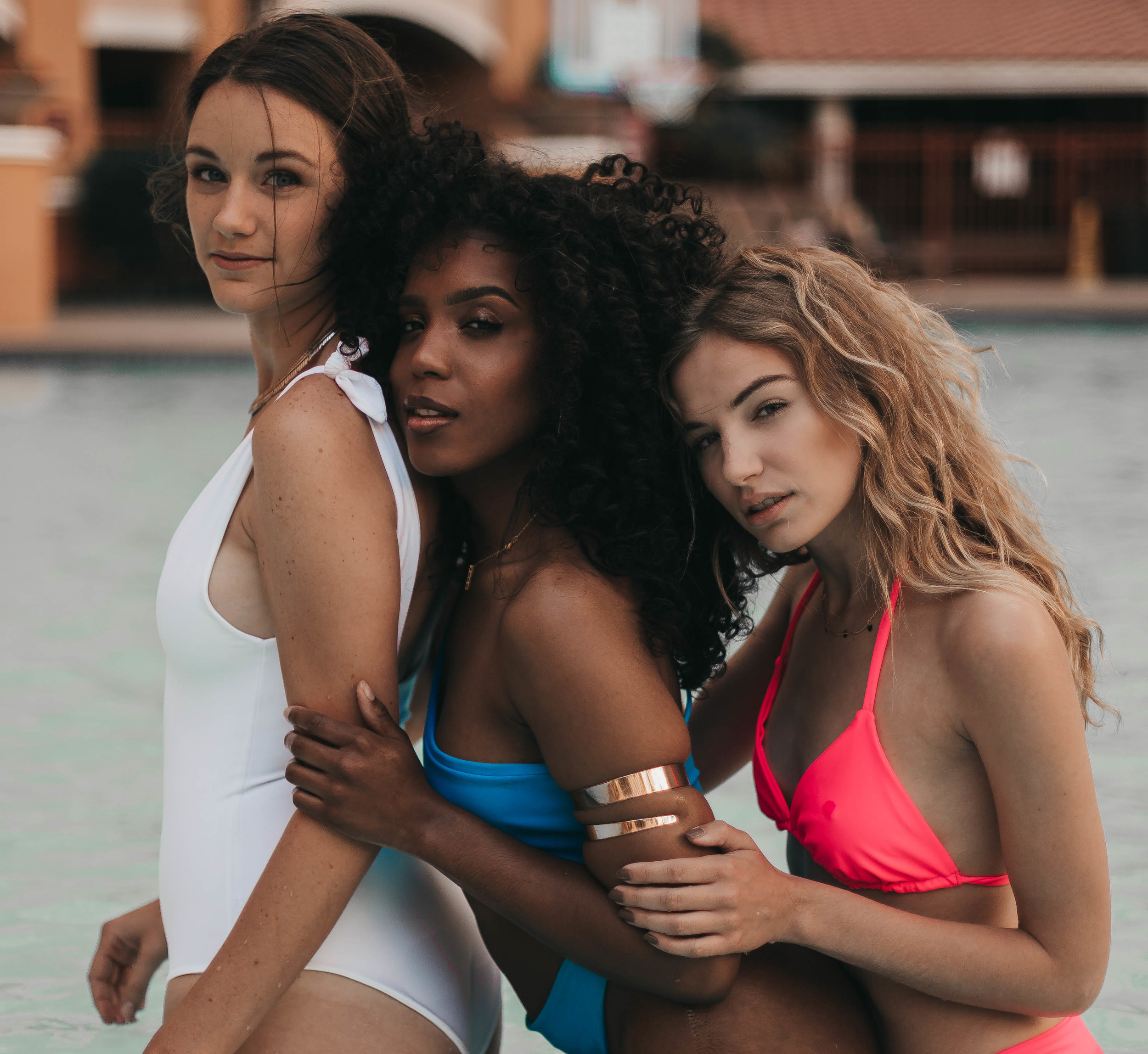
“Bra” emerged as a cool new slang word among young women in 1930s.
On the subject of bras, the famous author Mark Twain (who wrote The Adventures of Tom Sawyer) was the inventor of the bra clasp.
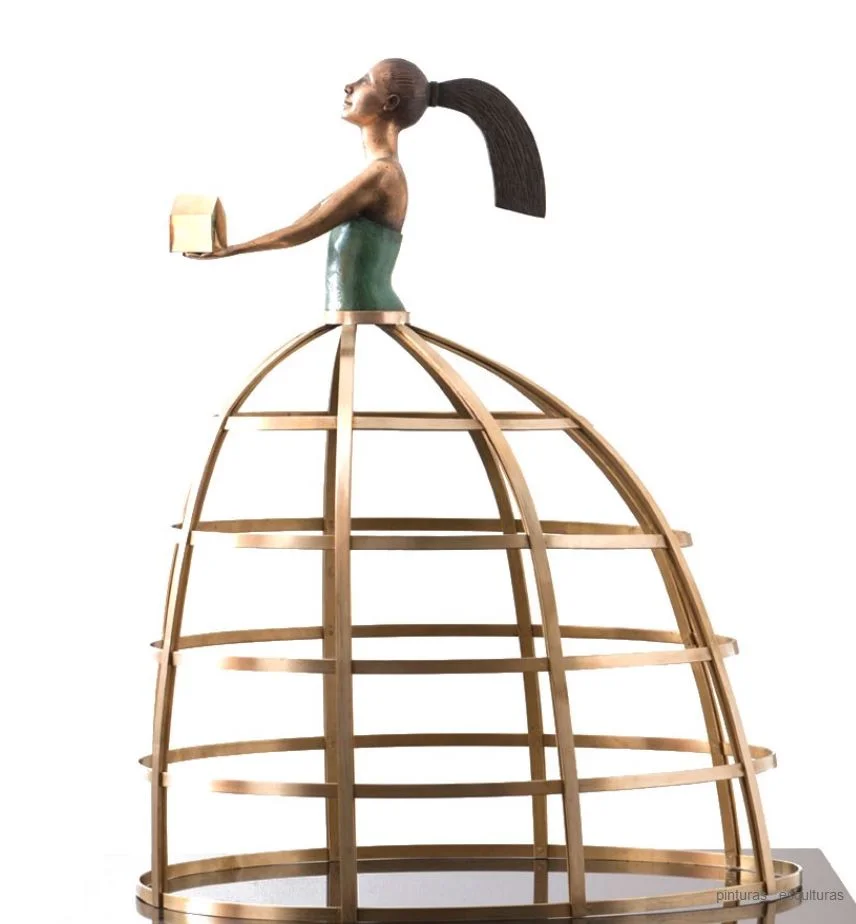
In the U.S., slave girls used grape vines to make their own crinoline hoops for their Sunday dresses.
The bustle, introduced in early 1900s, made sitting down for women difficult, if not impossible.
Hobble skirts were so narrow under the knees that walking in one was not an easy task.
Historically, purple clothes were only worn by magistrates, emperors and other aristocracy in Rome, Italy.
In the 1960s, Rudi Gernreich came up with monokini, a swimsuit of one piece with a completely exposed top.
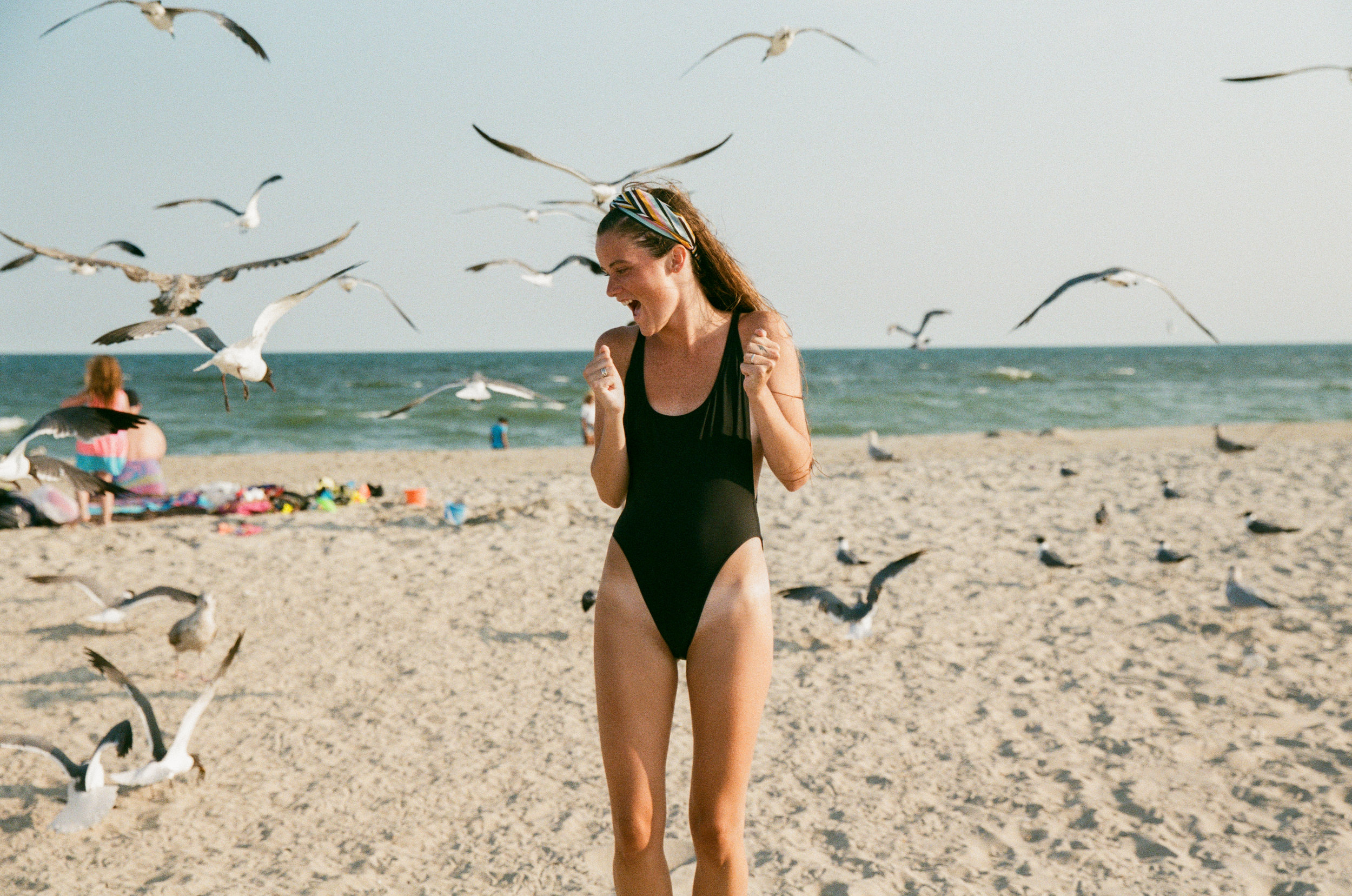
In 1907, a woman was arrested on a beach in Boston for wearing a one-piece swimsuit.
Barbie’s first outfit was a black-and-white striped one-piece swimsuit.
Star Wars princess Leia’s bikini is thought to be the most famous bikini in the world.
New York City Mayor Fiorello LaGuardia popularised the modern thong. He introduced it in 1939, ordering NYC’s nude dancers to cover up a little bit.
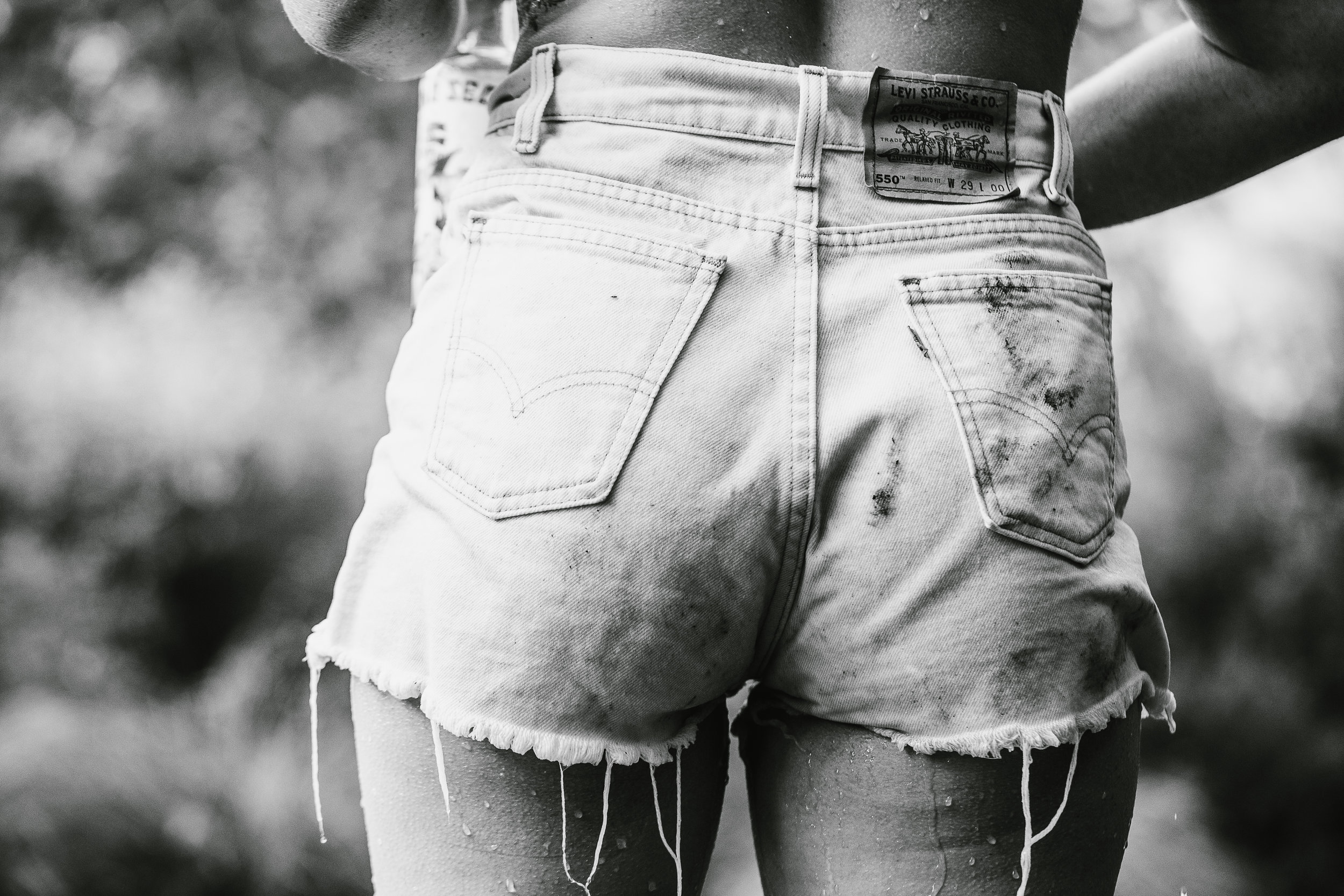
Levi’s jeans are one of the most popular brands of jeans. Although you might pay a hefty price for a pair now, the first pair sold for $6 worth of gold dust back in 1853.
High heels are nothing new to the world. In the 18th century, they were fashionable even for children.
Ralph Lauren’s real name was Ralph Lifshitz.
In the Middle Ages, poorer people would wear mittens, while the richer would wore gloves to show off their wealth.

Doc Martens come in all different colors and sizes now, but the first pair was created using old tires.
Technically, items are only “vintage” if they were made more than sixty but less than a hundred years ago.
During the Renaissance period, it was fashionable to shave off the eyebrows.
Up until the 17th century, men didn’t wear underwear at all.
Although there are more female fashion magazines in circulation today, France’s first fashion magazine was aimed at men in 1678.














Commodo cursus magna, vel scelerisque nisl consectetur et. Donec id elit non mi porta gravida at eget metus.