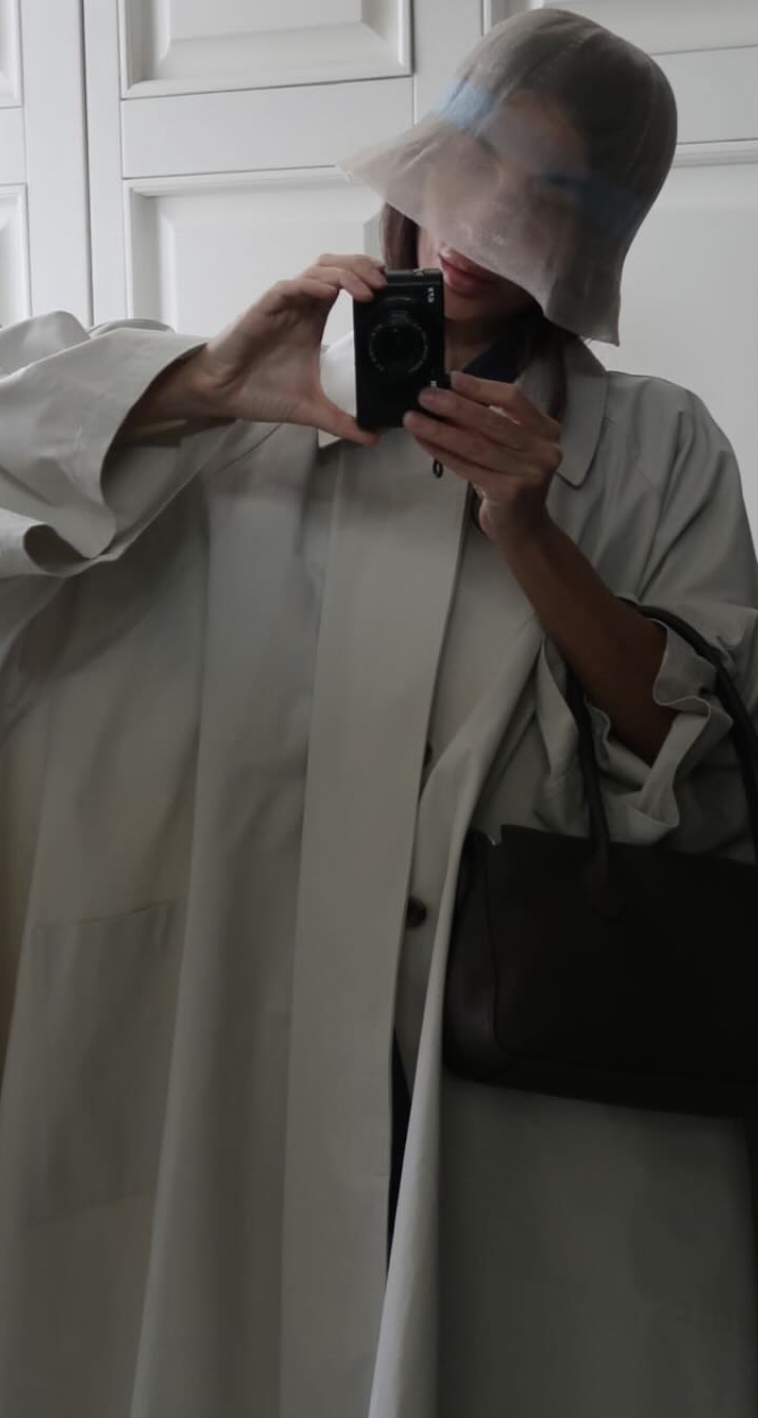
Are hats making a comeback? Let's explore the history of hats.

Throughout history, ladies' hats have played a significant role in fashion and societal norms. Dating back to the Middle Ages, women adorned their heads with veils, hoods, and wimples as a sign of modesty and social status. The Renaissance period brought about more elaborate headwear, with decorative caps and turbans becoming fashionable among the European nobility.
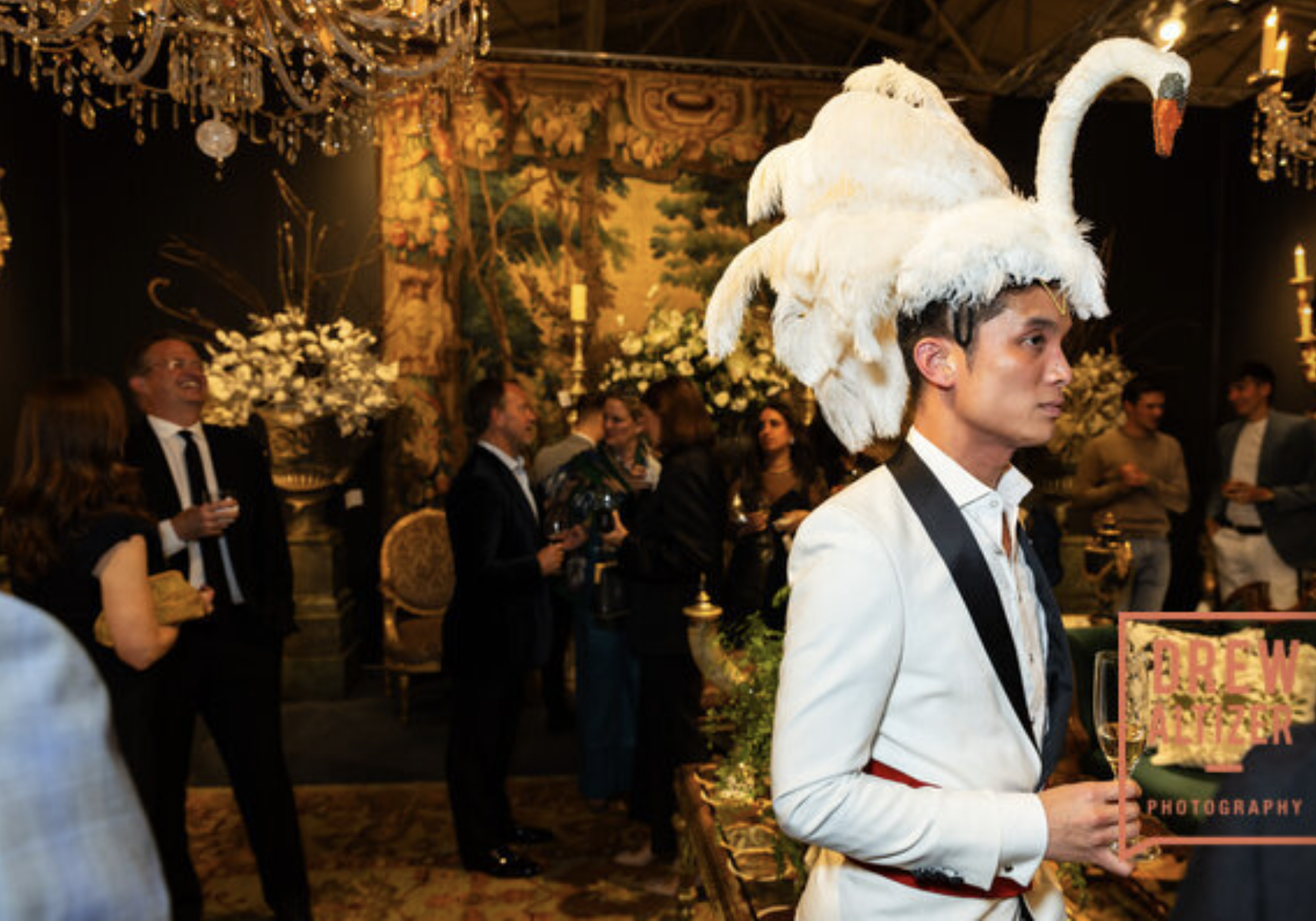
By the 18th century, women's hats evolved into extravagant pieces adorned with feathers, ribbons, and even taxidermy birds. This era also saw the introduction of wide-brimmed hats that were adorned with lavish trimmings to signify wealth and status.
During the 19th and early 20th centuries, hats became even more elaborate, with the invention of the sewing machine enabling mass production and making hats more accessible to women of various social classes. The late 19th century saw the popularity of large, elaborate hats decorated with flowers, ribbons, and even whole taxidermy animals.
The early 20th century was considered the golden age of hats, with iconic styles such as the cloche, picture hat, and fascinator gaining popularity. Designers like Coco Chanel and Elsa Schiaparelli revolutionized hat fashion by introducing simpler, more streamlined designs that reflected the changing roles of women in society.
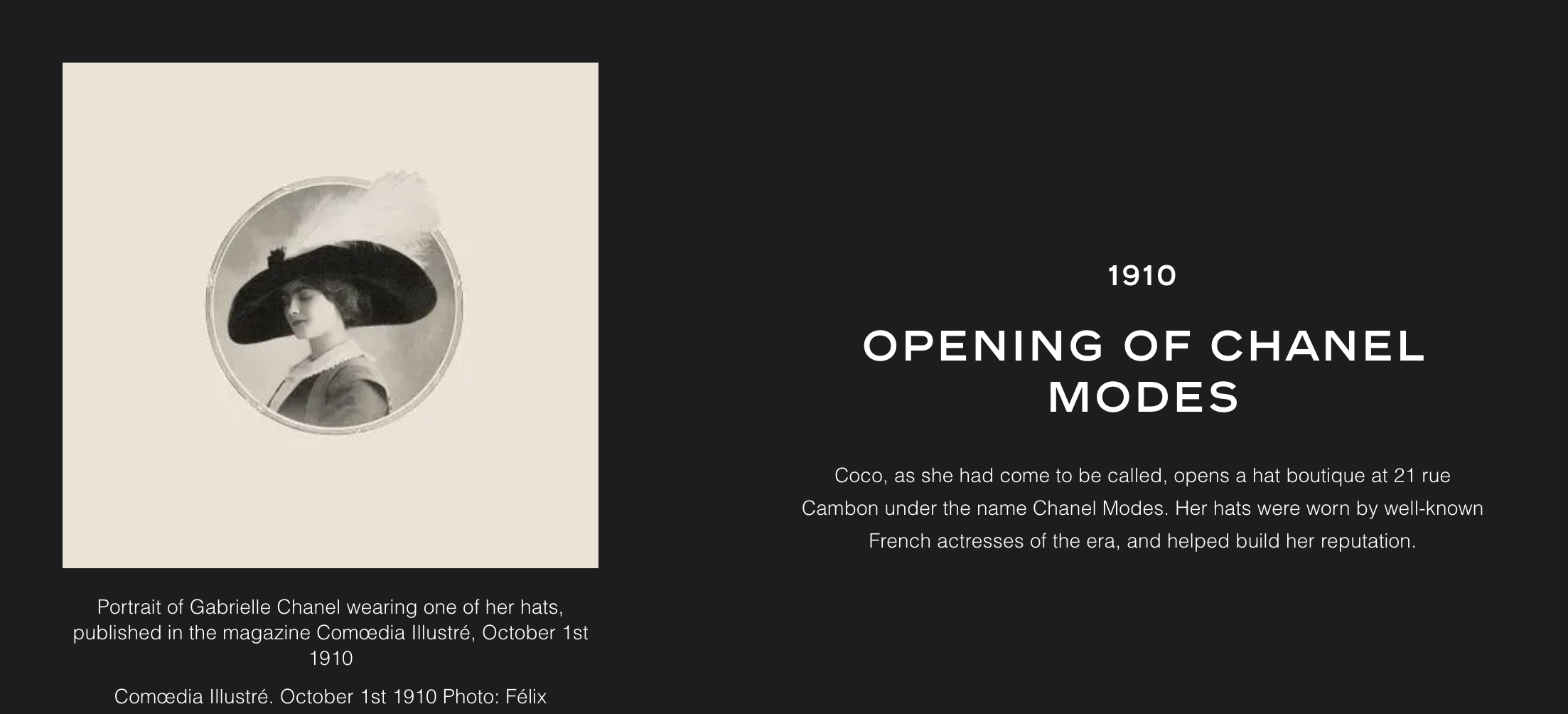
After World War II, hats began to decline in popularity as hairstyles became more prominent. However, hats continued to be worn for special occasions such as weddings, horse races, and formal events.
Today, hats are making a comeback as a fashionable accessory, with modern milliners creating innovative designs that blend traditional craftsmanship with contemporary styles. From wide-brimmed sun hats to chic fedoras, ladies' hats continue to be a versatile and timeless fashion statement.






Bidet: History of Personal Hygene
Fashion and style can be a great form of self expression and boost confidence, but personal hygene should take a priority in overall well-being. Let's journey back to the 18th century, a time when full bathing occurred only once a week, and a remarkable French invention revolutionized hygiene practices for women.
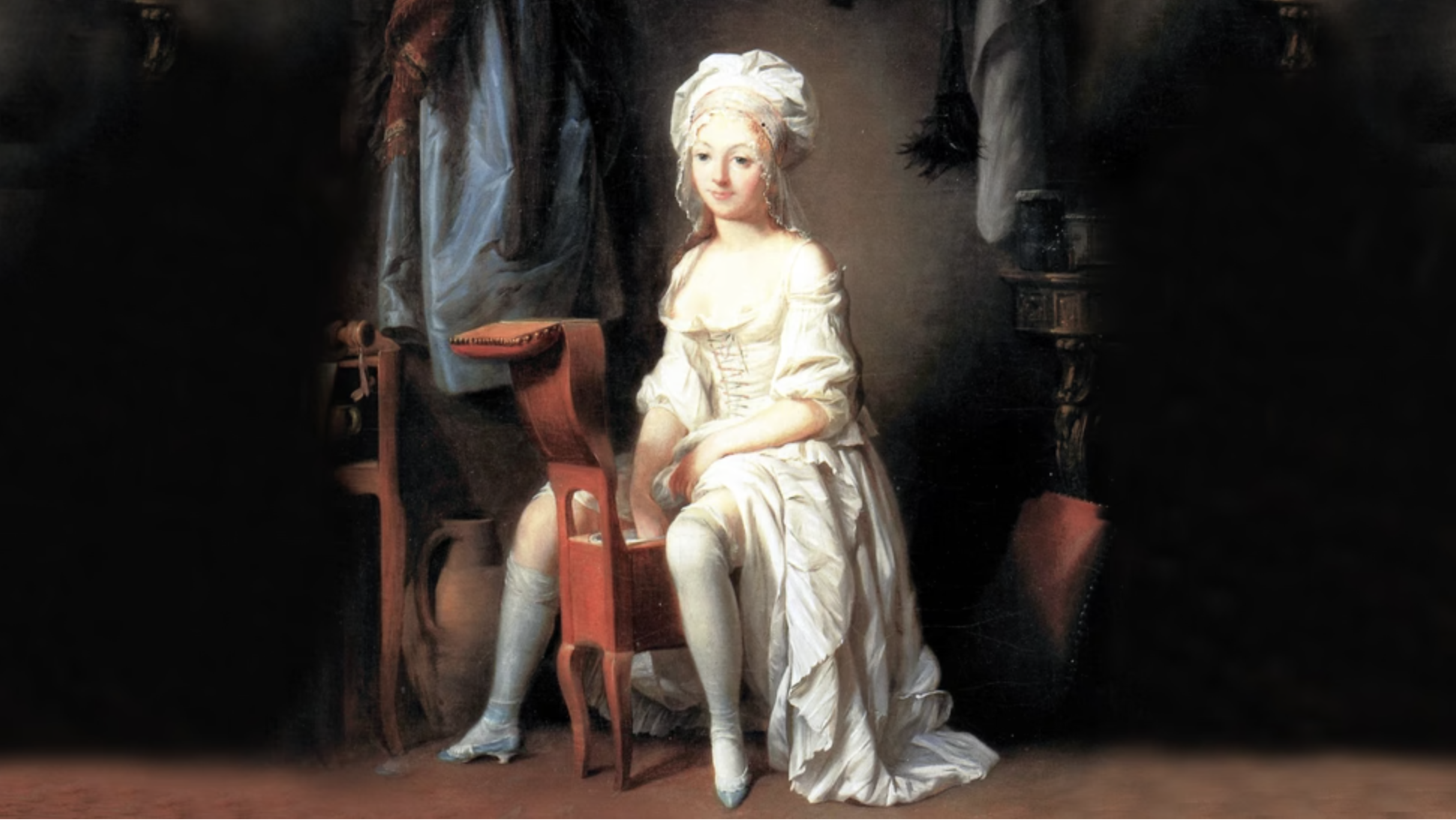
The first bidet appeared in 1710 at Versailes during the reign of king Louis XIV. The bidet, often dubbed as a grown-up version of the chamber pot or bourdaloue, was initially a portable solution for classy ladies during extended trips. The term "bidet" originates from the French word for "pony" or "small horse," owing to its petite size resembling a porcelain horse-shaped fixture one squats over for use.


The bidet, beyond its utilitarian purpose, has been elevated to an art form, thanks in part to French furniture maker Christopher Des Rosiers, who crafted some of the earliest bidets. Rosier transformed this essential bathroom fixture into an ornate masterpiece, turning the act of using the bathroom into a sophisticated and stylish affair. The experience of cleansing oneself was elevated by Rosiers with designing intricately decorated porcelain bowls. From the on instead of merely washing in a bowl, the French people embraced the notion of "visiting Le Bidet," turning a mundane task into an indulgent ritual. Among the notable users of French bidets was Napoleon himself. Designed exclusively for his use, Napoleon's bidet was crafted from silver, a material deemed essential by the French emperor. Silver's inherent antimicrobial properties ensured the bidet remained hygienic without much effort. Napoleon cherished this fixture so much that he took it with him on all his travels around the world.
In his final years, Napoleon bequeathed his beloved silver bidet to his son, a testament to its significance in his life. This generous gesture was duly recorded in his last will and testament. For many world travelers, particularly American tourists exploring European destinations, the bidet remains a curious and sometimes awkward fixture in foreign bathrooms. Depending on the locale, bidets can range from simple containers of water accompanied by a special pouring cup to more sophisticated models featuring robotic toilet technology with precise aiming and antimicrobial sanitation capabilities.
Regardless of their level of advancement, all bidets serve a singular purpose: cleansing one's posterior after using the toilet. As the world grapples with the spread of the Coronavirus and panic-buying of toilet paper becomes commonplace, countries accustomed to bidets can breathe easy. While toilet paper disappears from store shelves in many nations, bidet-equipped populations can rely on their trusty fixtures to handle the task with ease.







Who Invented the Bra?
.
Did you know that French woman revolutionized the undergarment industry by inventing the bra, which drastically improved the lives of countless women?
In 1889, Herminie Cadolle, an employee at a French factory, devised the prototype for a modern bra. Dubbed "le Bien-Être," this innovative garment combined elements of a corset while offering hygiénique,elasticity all while maintaining an empty stomach. Prior to this invention, women wore corsets from a young age, leading to numerous health issues such as back pain, difficulty breathing, and digestive problems, restricting their freedom of movement.
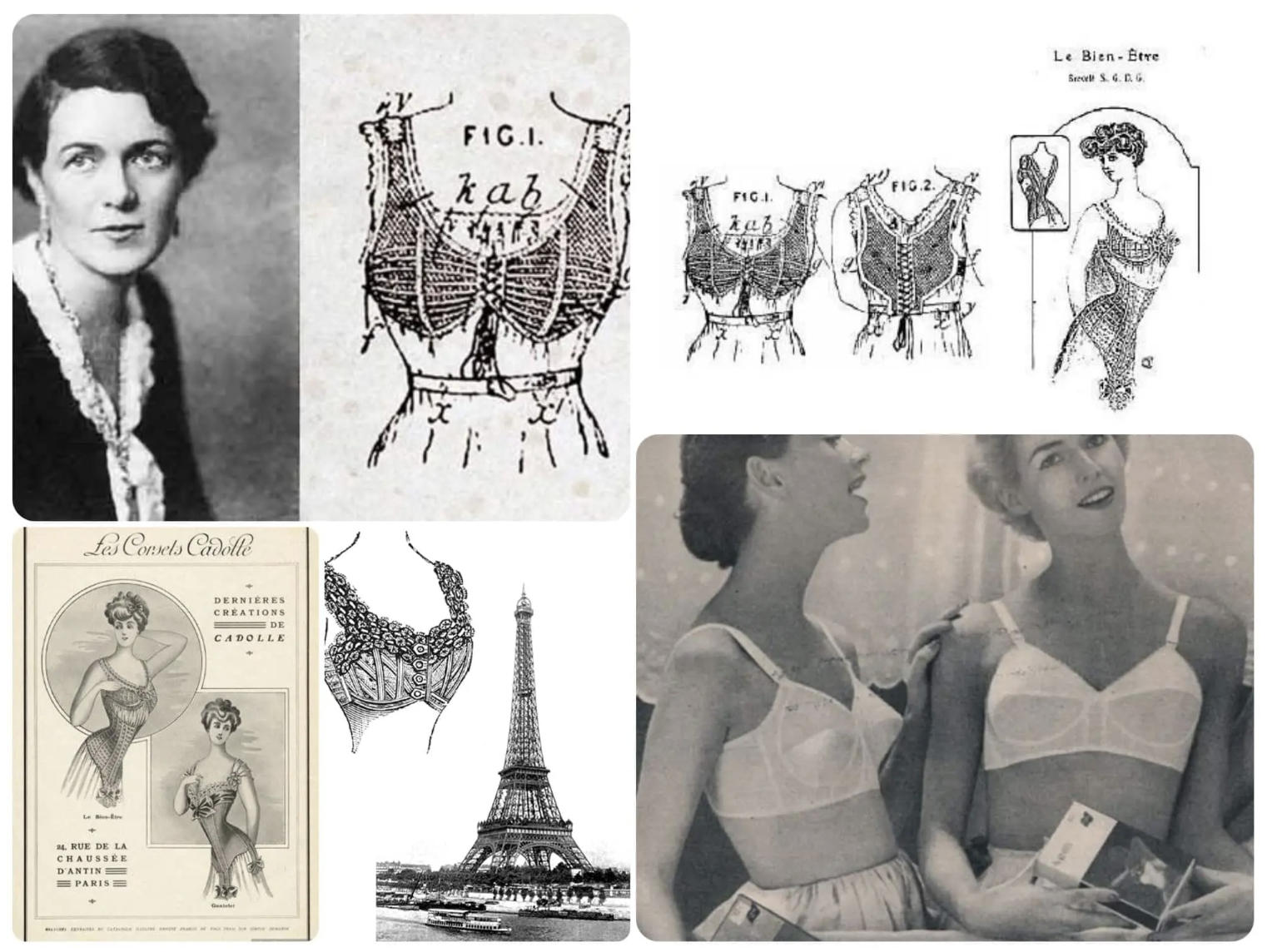
Legend has it that the idea for the bra came about when a client approached Herminie seeking a solution to freely play tennis. Thus, Herminie became the trailblazer behind this revolutionary garment. Her legacy endures through her brand and store in Paris. Herminie established Maison Cadolle, a premier haute couture lingerie house renowned for crafting bespoke undergarments that remain at the pinnacle of luxury and elegance.
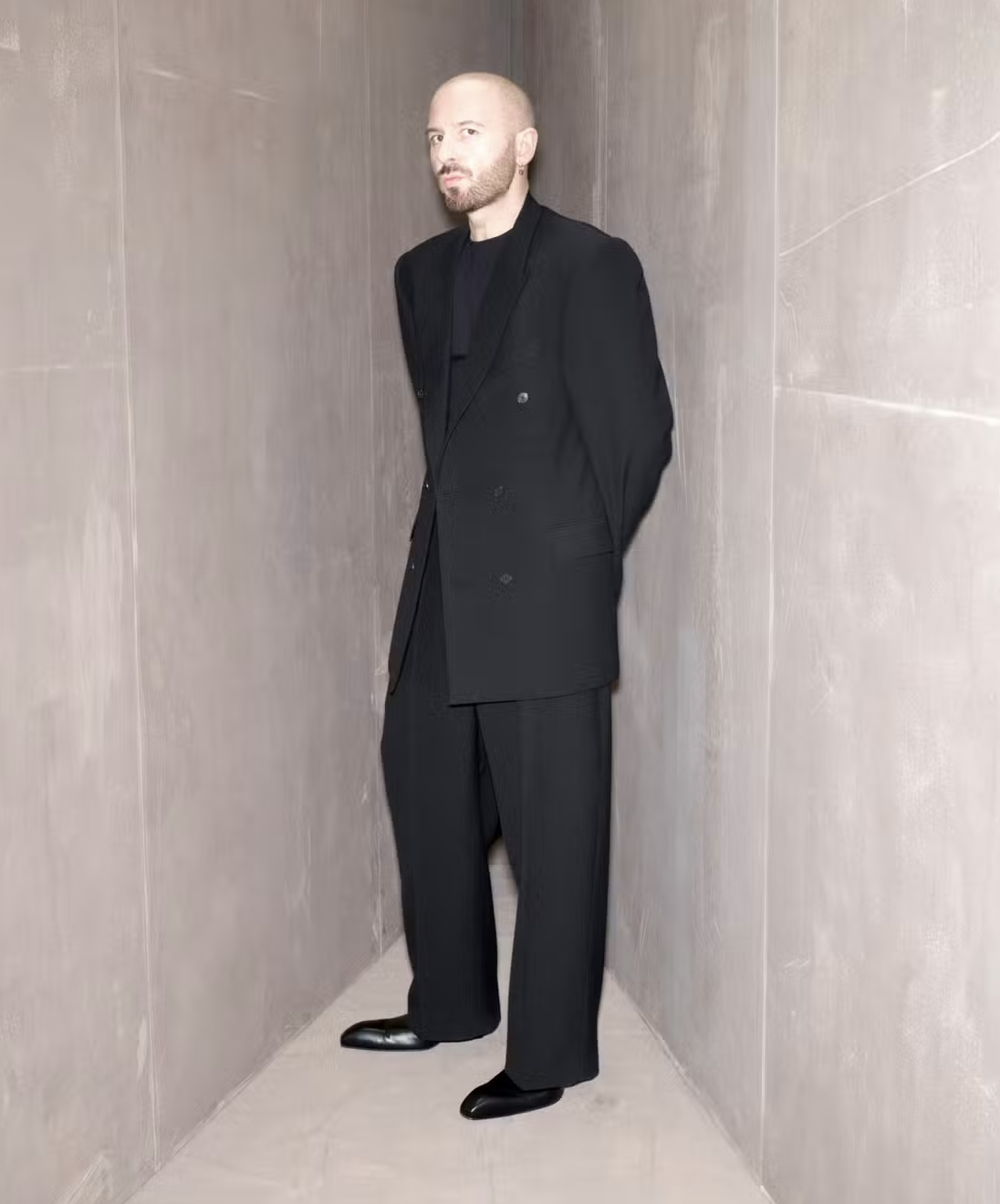
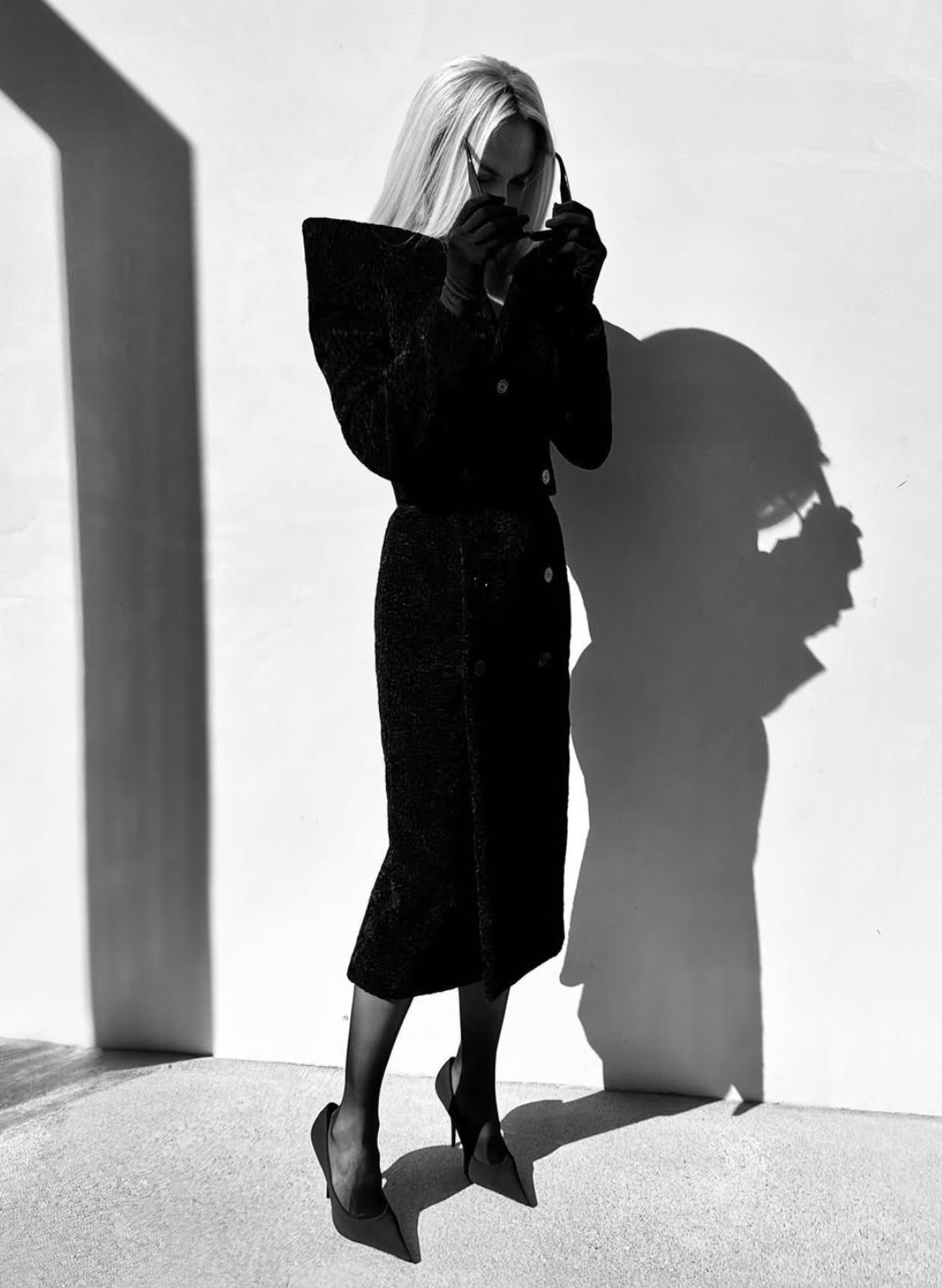
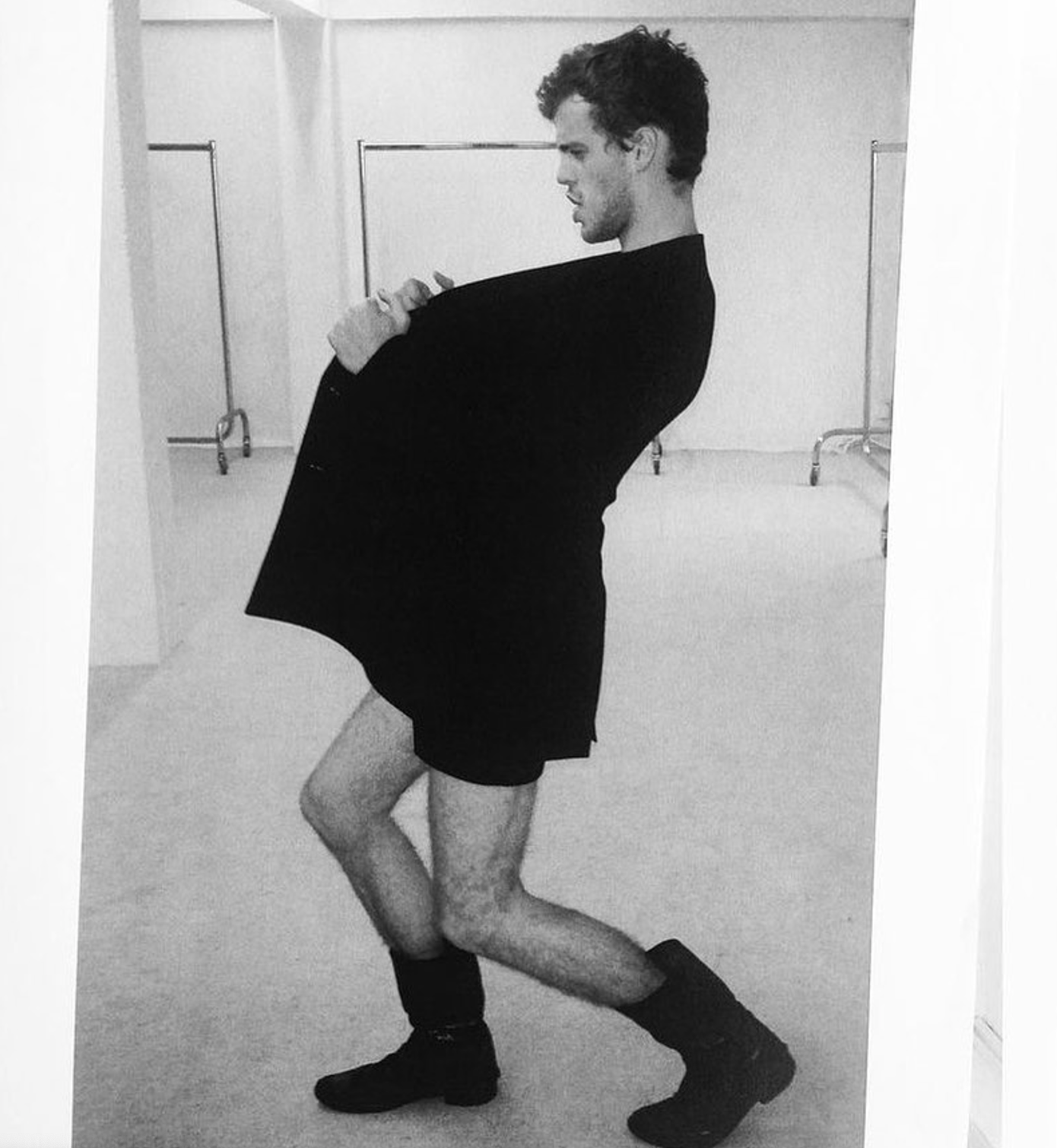
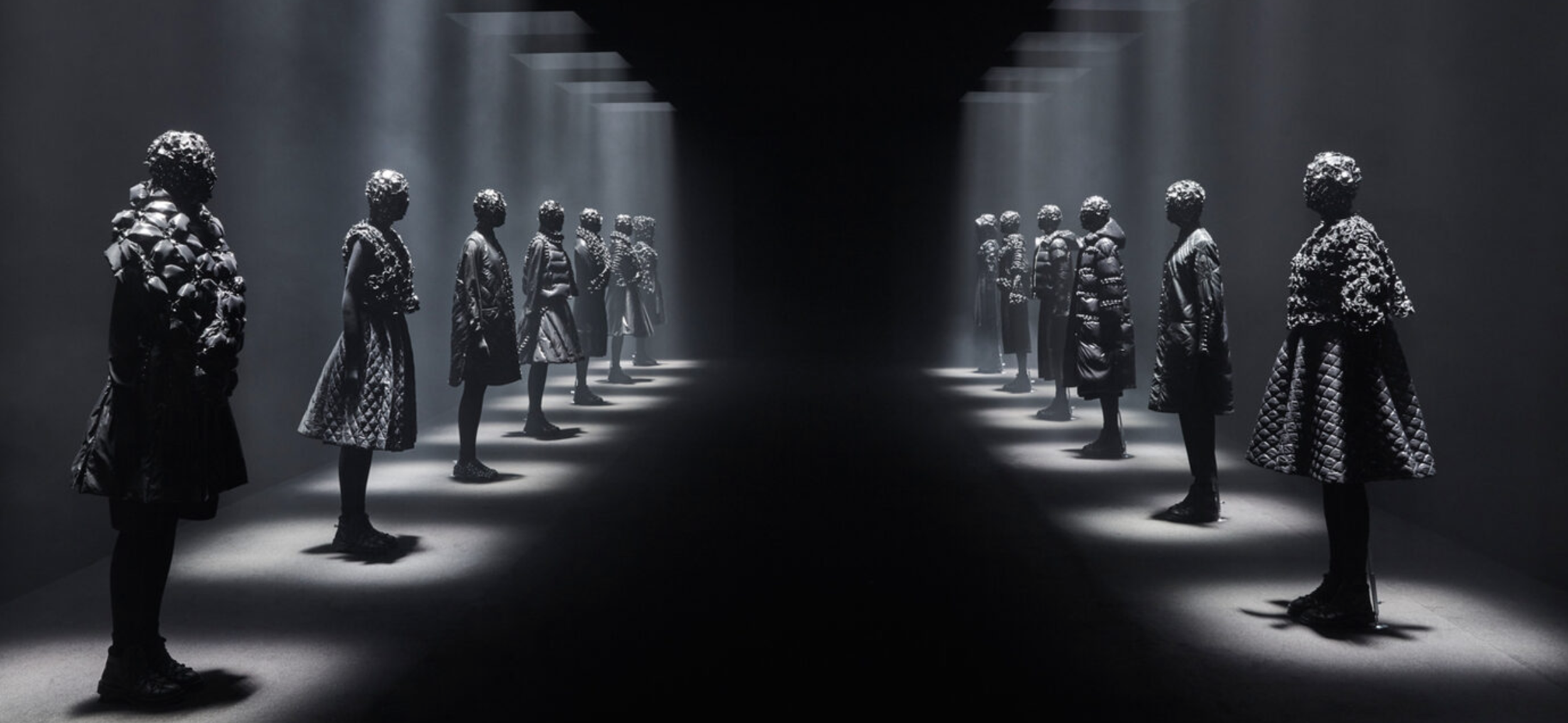
Interestingly, Maison Margiela last runway showcased Herminie Cadolle's sheer bra, highlighting its enduring influence and relevance in fashion.





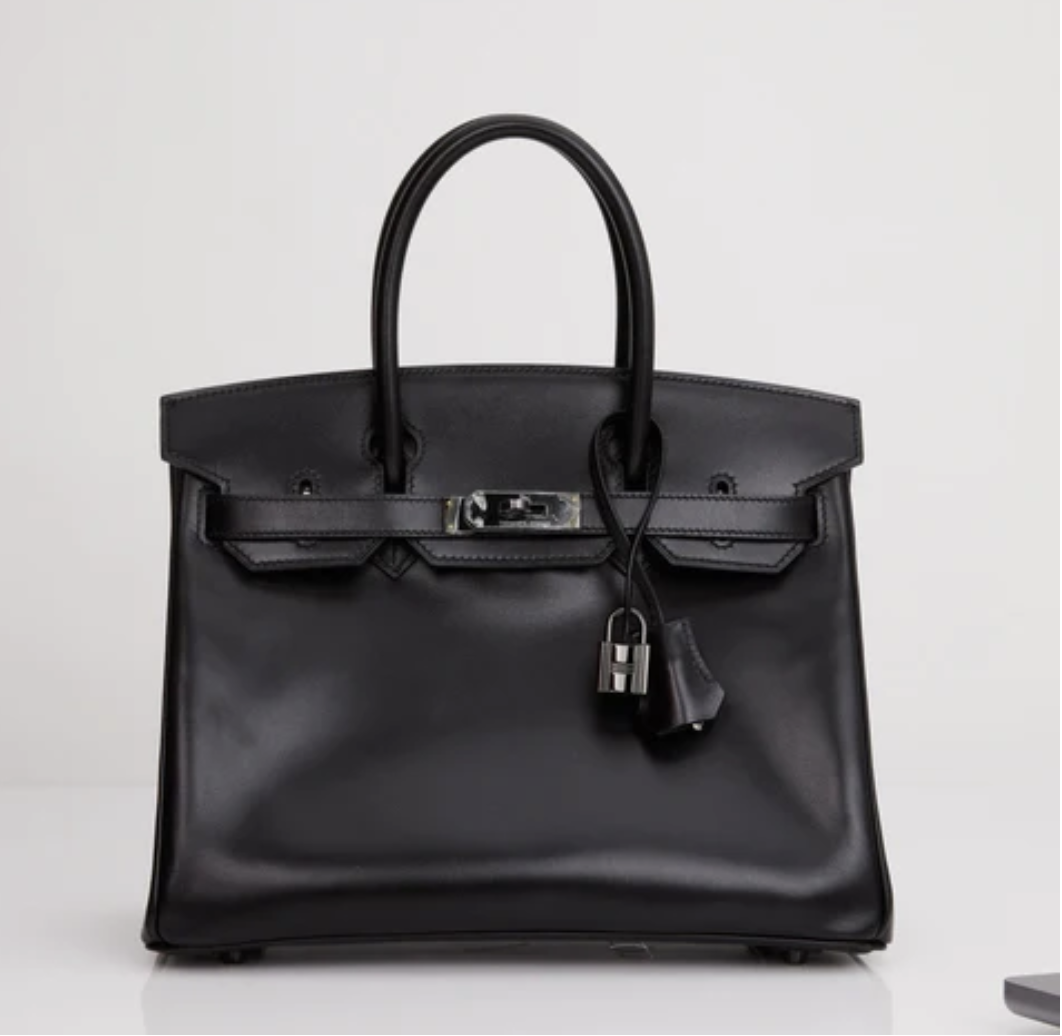
Fashion History: The journey of the Hermès Birkin Bag through time.
The legend of the Birkin bag begins with serendipity and fateful events. Before its creation, Hermes had already established itself as a prestigious purveyor of luxury leather goods, catering to the discerning tastes of elite clientele. Fast forward to the present day, the Birkin has attained an unparalleled status, elevating Hermès to the pinnacle of luxury handbag design — the epitome of coveted handbags worldwide.
The captivating tale begins in 1983 when It-Girl Jane Birkin serendipitously encountered Jean-Louis Dumas, the artistic director and CEO of Hermes. This fateful meeting marked the genesis of the Jane Birkin bag, and the stratospheric fame began, showing no signs of slowing down.
WHO WAS JANE BIRKIN?
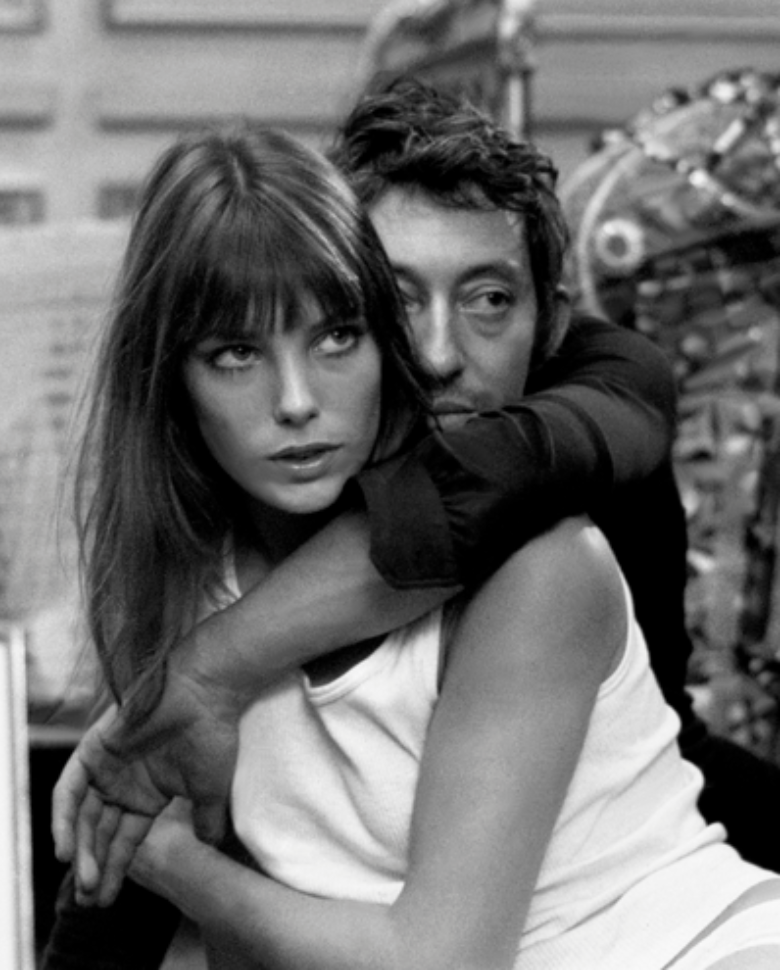
Jane Birkin, a multi-talented English-French actress, singer, and model, emerged as a genuine fashion icon during the 1960s through the 1980s. She was all about the blend of natural beauty, a playful and androgynous style, and a candid expression of sexuality. Beyond her individual fame, Birkin garnered widespread recognition for her ten-year romance with Serge Gainsbourg, a revered French singer, writer, director, and poet, widely celebrated as a prominent figure in French pop culture. Together, they share a daughter, the accomplished actress and singer, Charlotte Gainsbourg, adding to their captivating legacy. According to Jane, a twist of fate occurred in 1983 when Jane Birkin found herself unexpectedly upgraded to first class, seated next to Jean-Louis Dumas, the artistic director and CEO of Hermès.

As she stored her characteristic wicker basket straw bag in the overhead compartment, fate intervened, causing all the contents to spill out in front of Dumas, including her treasured Hermès diary. In a helpful gesture, Dumas assisted her in collecting her belongings, playfully remarking that she needed a handbag with more pockets. To this, the actress responded that the day Hermès designed a spacious, everyday bag that could accommodate all the necessities a busy mother carries, she would gladly replace her beloved oversized basket with it. She further expressed her struggle to find a bag that would offer both ample space, security, and style to meet her requirements.
After gathering valuable insights from Birkin herself, Dumas sketched the very first concept of the bag on an airplane sickness bag. Little did they know that this unassuming start would lead to the creation of the luxurious handbag that would eventually conquer the world.
Just a year later, in 1984, the inaugural Birkin bag made its debut. With its spacious interior, it became the perfect choice for jet-setters, while the lock provided a secure closure during travels. The bag's clean lines, minimalist elegance, and casual charm mirrored Birkin's distinctive personal style. She received a personalized 40cm Birkin, which she adorned with her own unique stickers. Initially priced at approximately $2,000, the bag rapidly gained popularity.
In 2011, an extraordinary event unfolded when Jane Birkin decided to sell her original and well-loved bag at auction. The bag's history and connection to the iconic actress made it highly sought-after, leading to a remarkable final bid of over $162,000. The proceeds from this auction were dedicated to supporting earthquake relief efforts in Japan, adding yet another remarkable chapter to the Birkin bag's captivating history.
Since its inception, the Jane Birkin bag has been presented in an array of luxurious leathers and captivating colors.
However, it is the limited edition styles that stand as the most coveted gems in Birkin bag history. These exclusive designs are released in exceedingly limited quantities, perfectly aligning with Hermès' strategic approach to scarcity. This tactic fuels both demand and price, making these limited editions highly sought-after treasures among fashion connoisseurs and collectors alike.
- 2009 Shadow Birkin
- 2010 So Black Birkin and Kelly Bags
- 2010 The Himalaya Birkin
- 2012 Club Birkin
- 2012 The Ghillies Birkin
- 2017 The Touch Birkin
- 2018 Tressage Birkin
- 2019 The Faubourg Birkin
- 2020 The Sunrise Rainbow Birkin
- 2020 Cargo Birkin
- 2021 Picnic Birkin
- 2021 The Birkin 3EN1
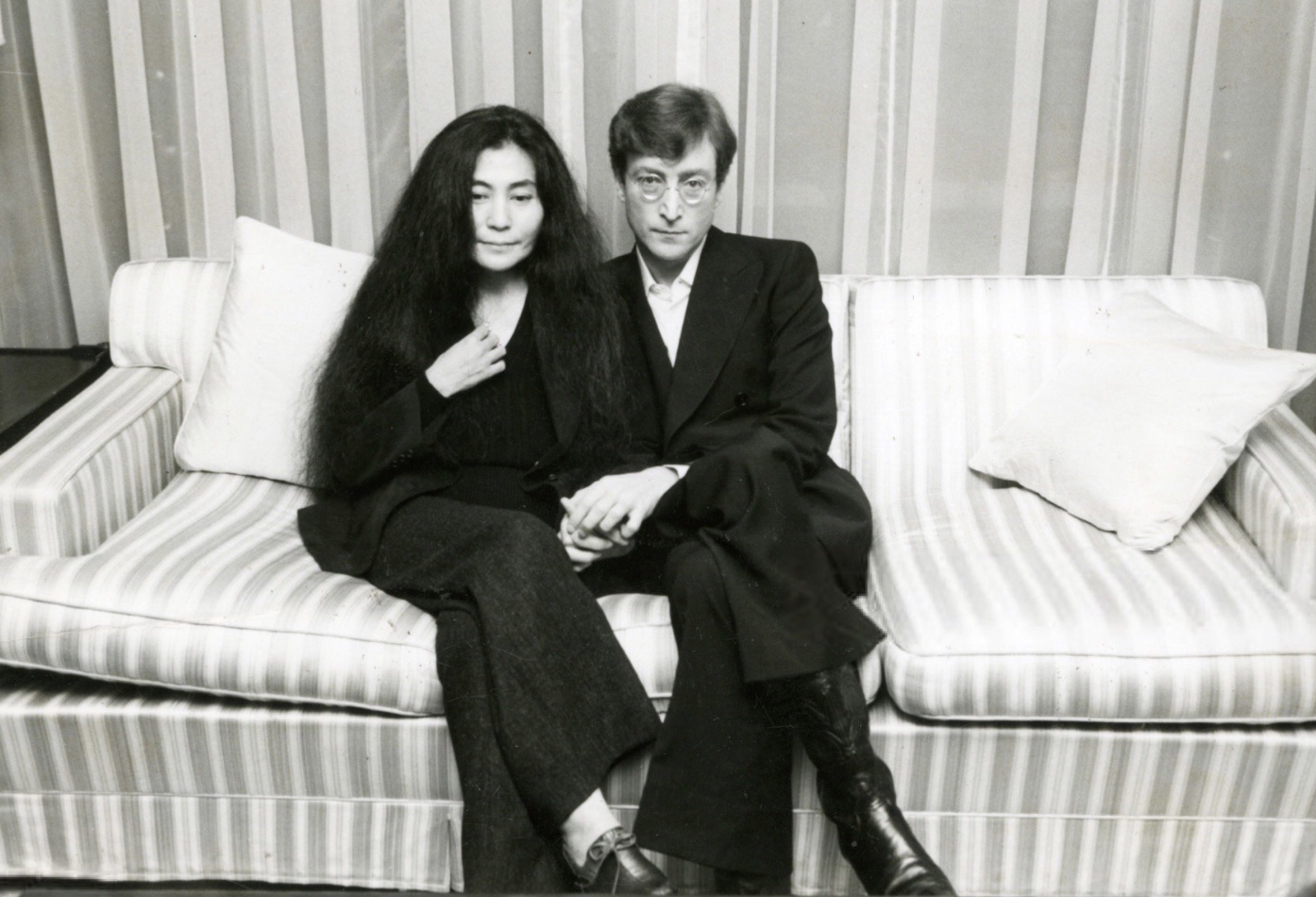











Fashion History And More
.

Exhibition in Paris by Patrick Magaud, 1984.
The grave of French journalist #VictorNoir (1848-1870) has become a symbol of sex and fertility. It goes that if you place a flower inside his top hat, kiss his lips and rub his genitals you will be fertile, have a great sex life, and be married within a year of performing this ritual.

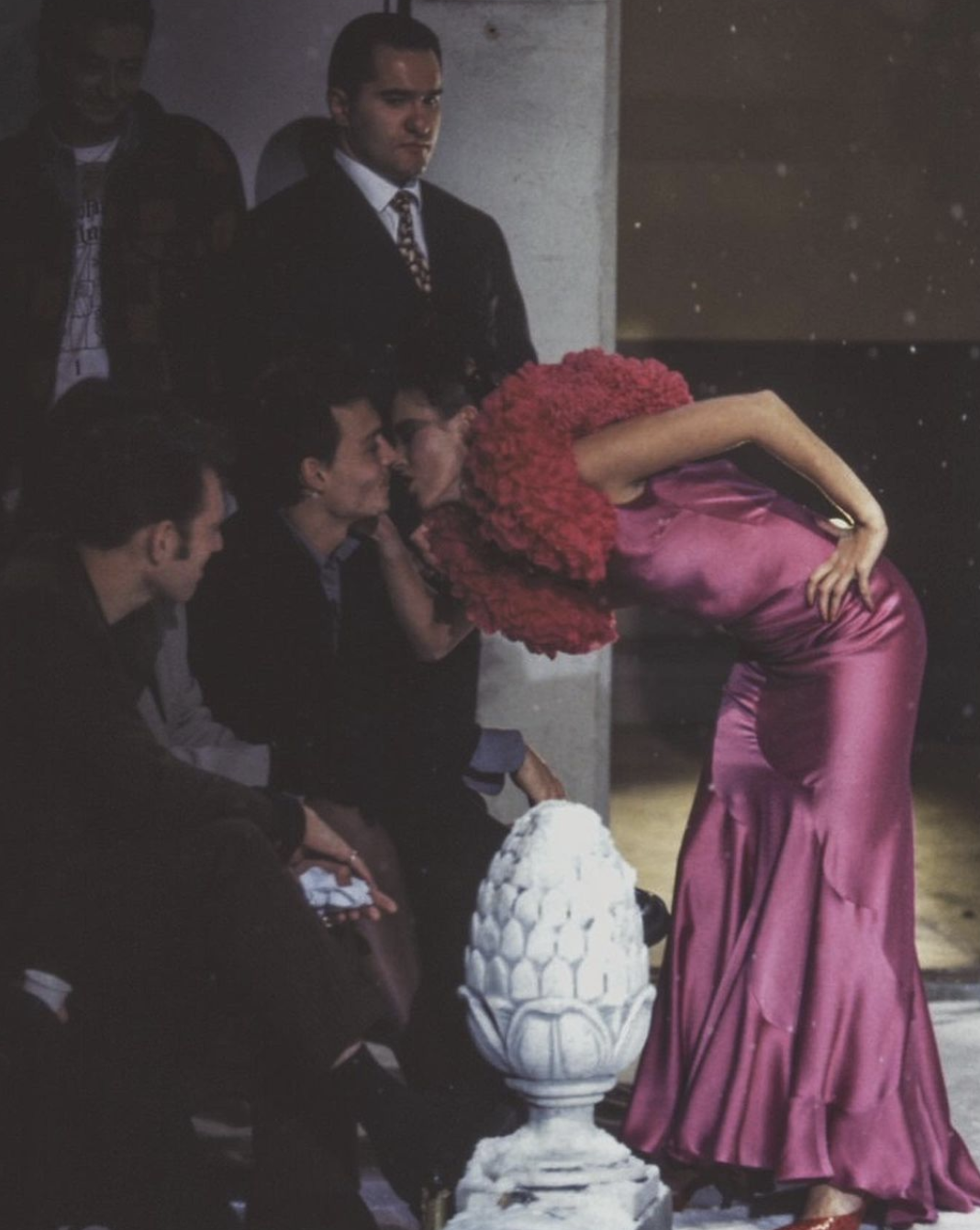
Kate Moss kisses Johnny Depp during the John Galliano F/W 1995 show
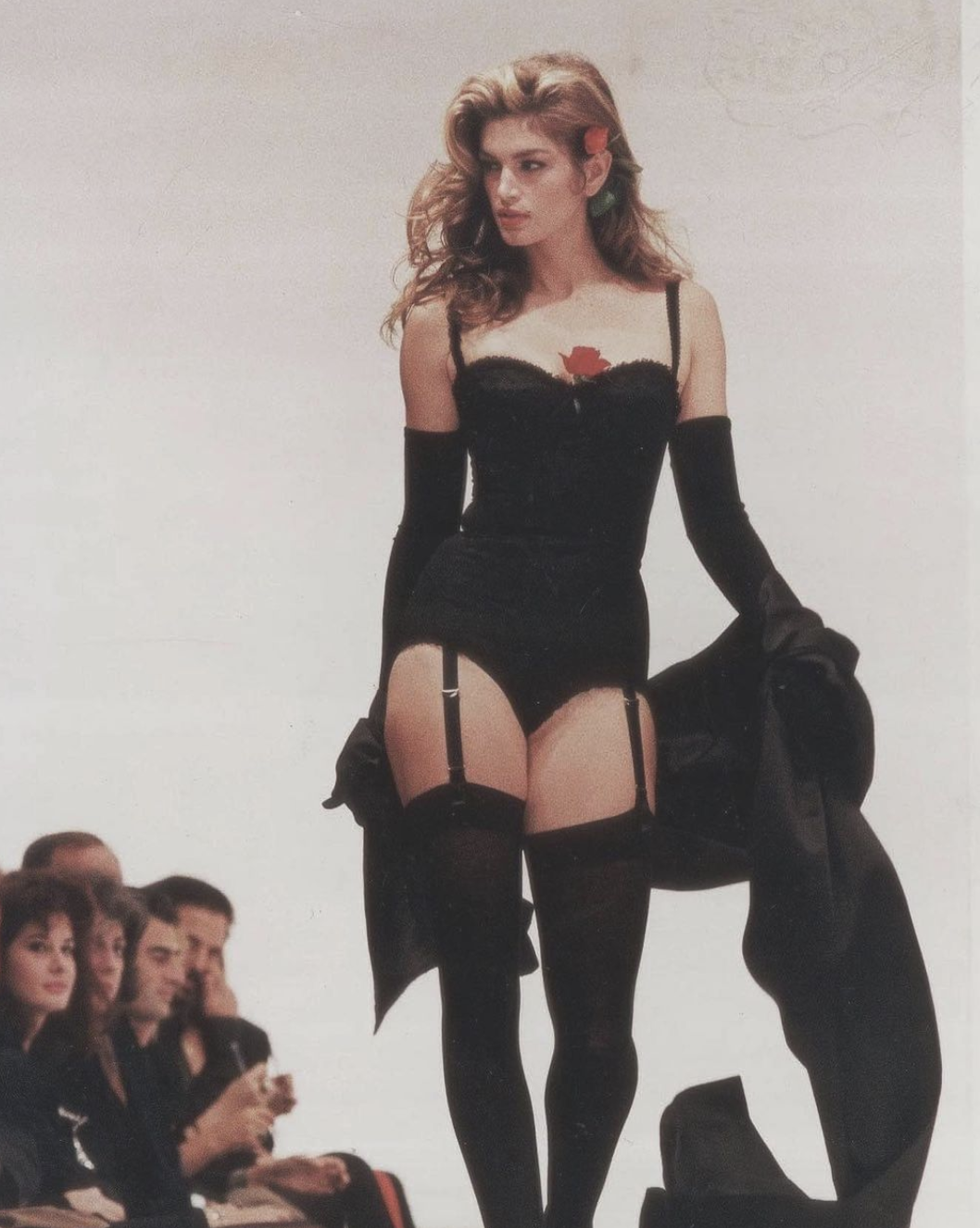
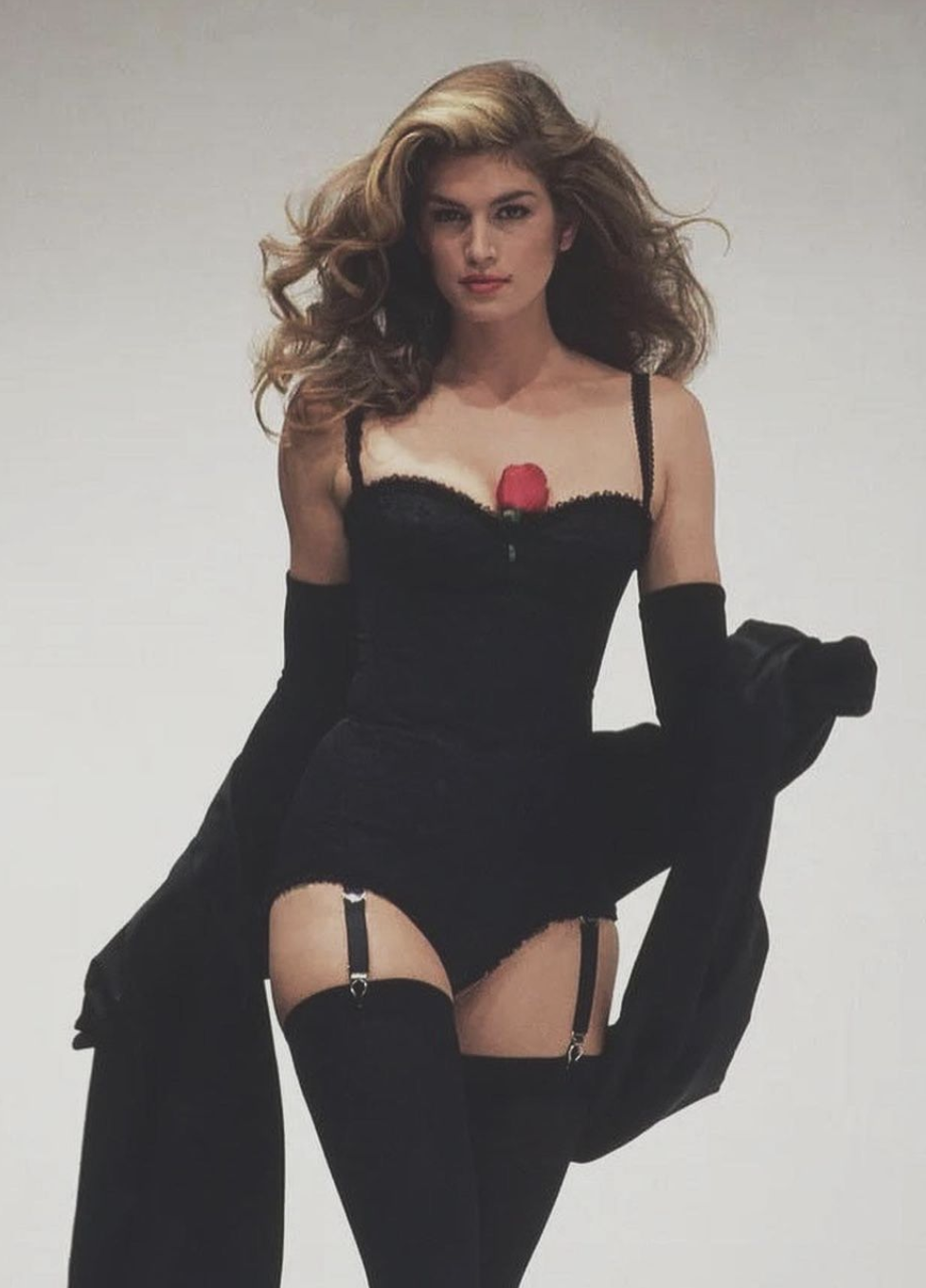
Cindy Crawford for Dolce & Gabbana S/S, 1991.
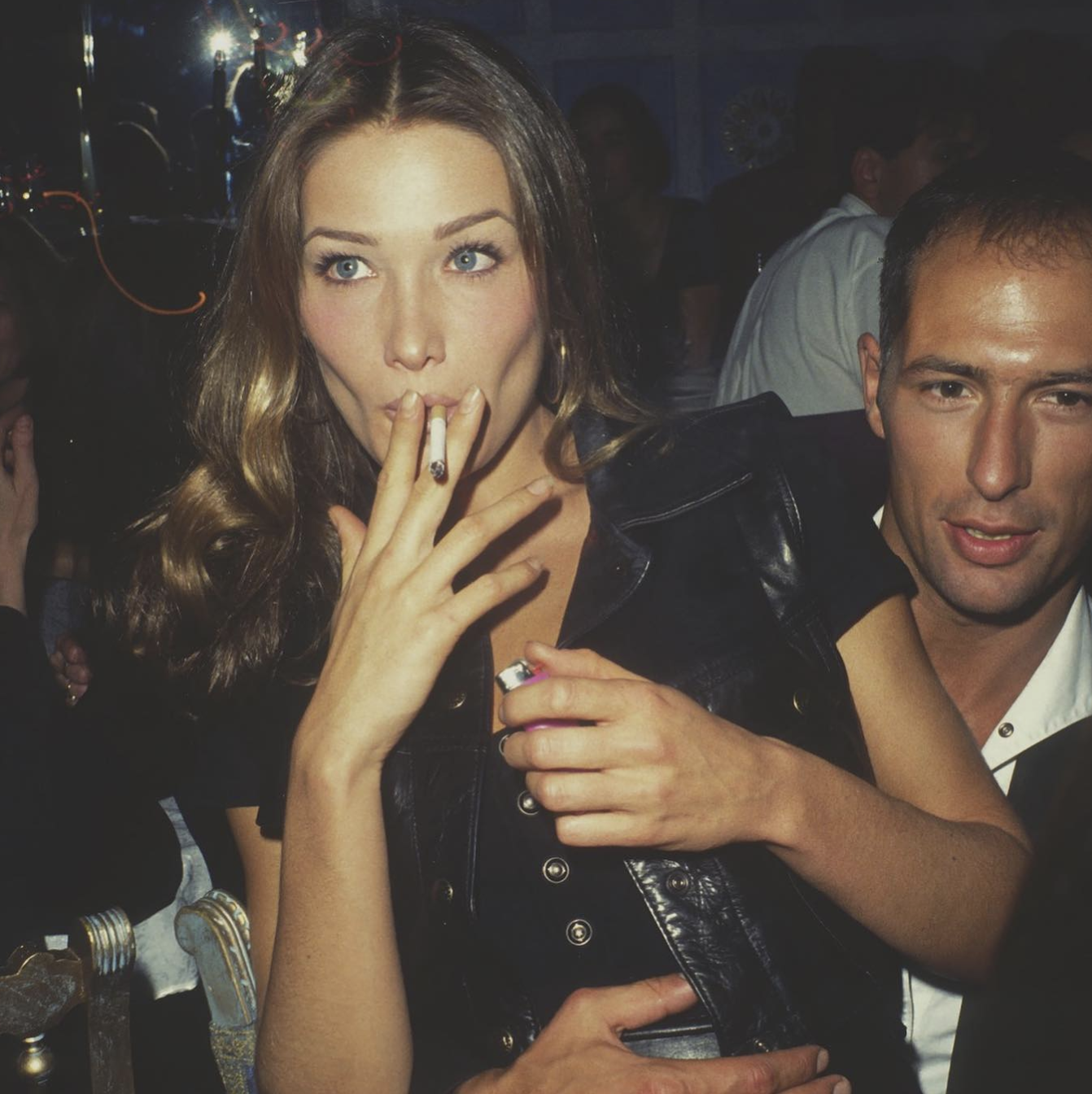
Thierry Mugler, Carla Bruni and Chris Martin attend a party at Les Bains Douches in the 1990s in Paris, France.
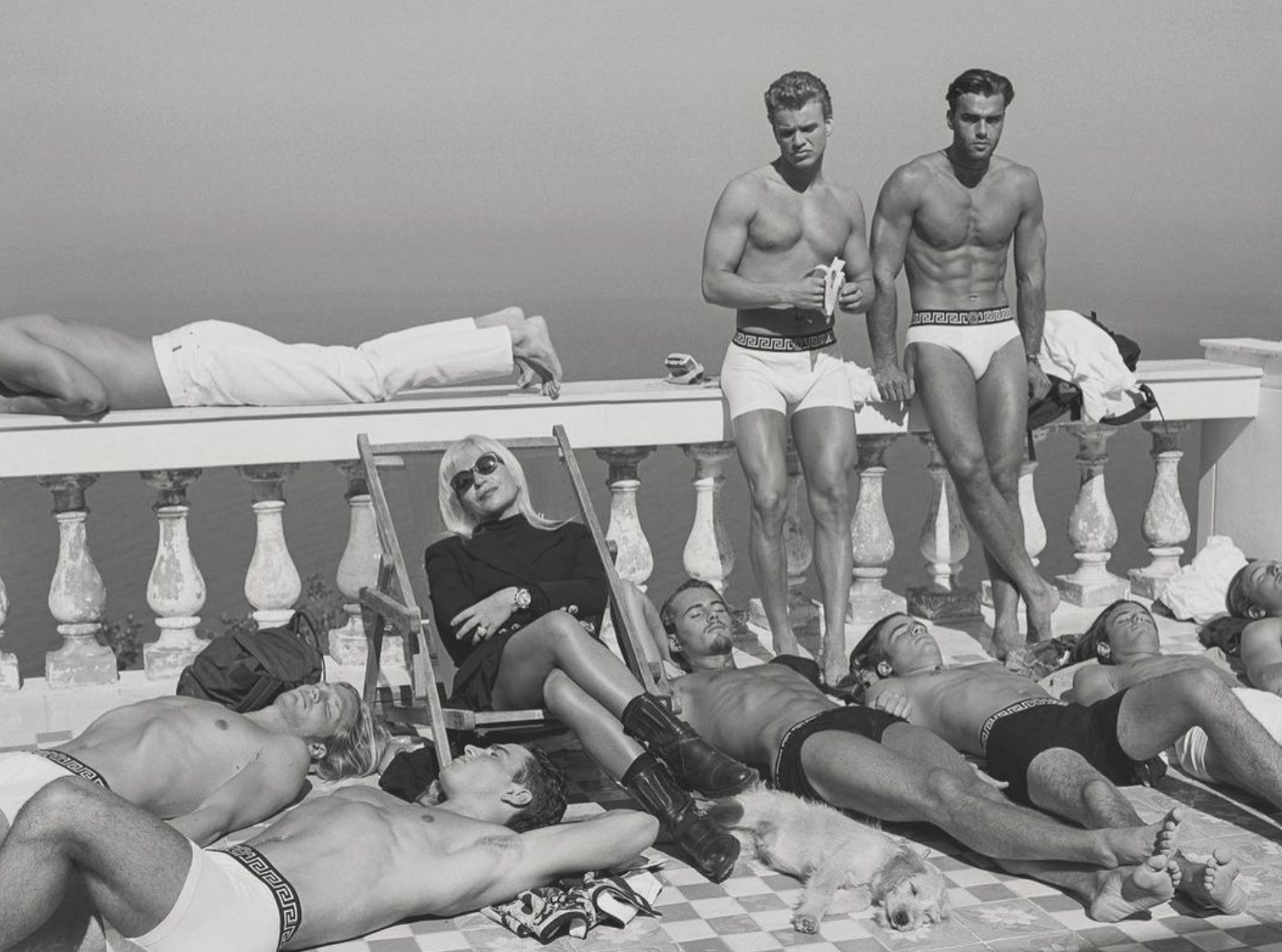
Donatella Versace, Capri, 1994.

Zoë Kravitz and Channing Tatum
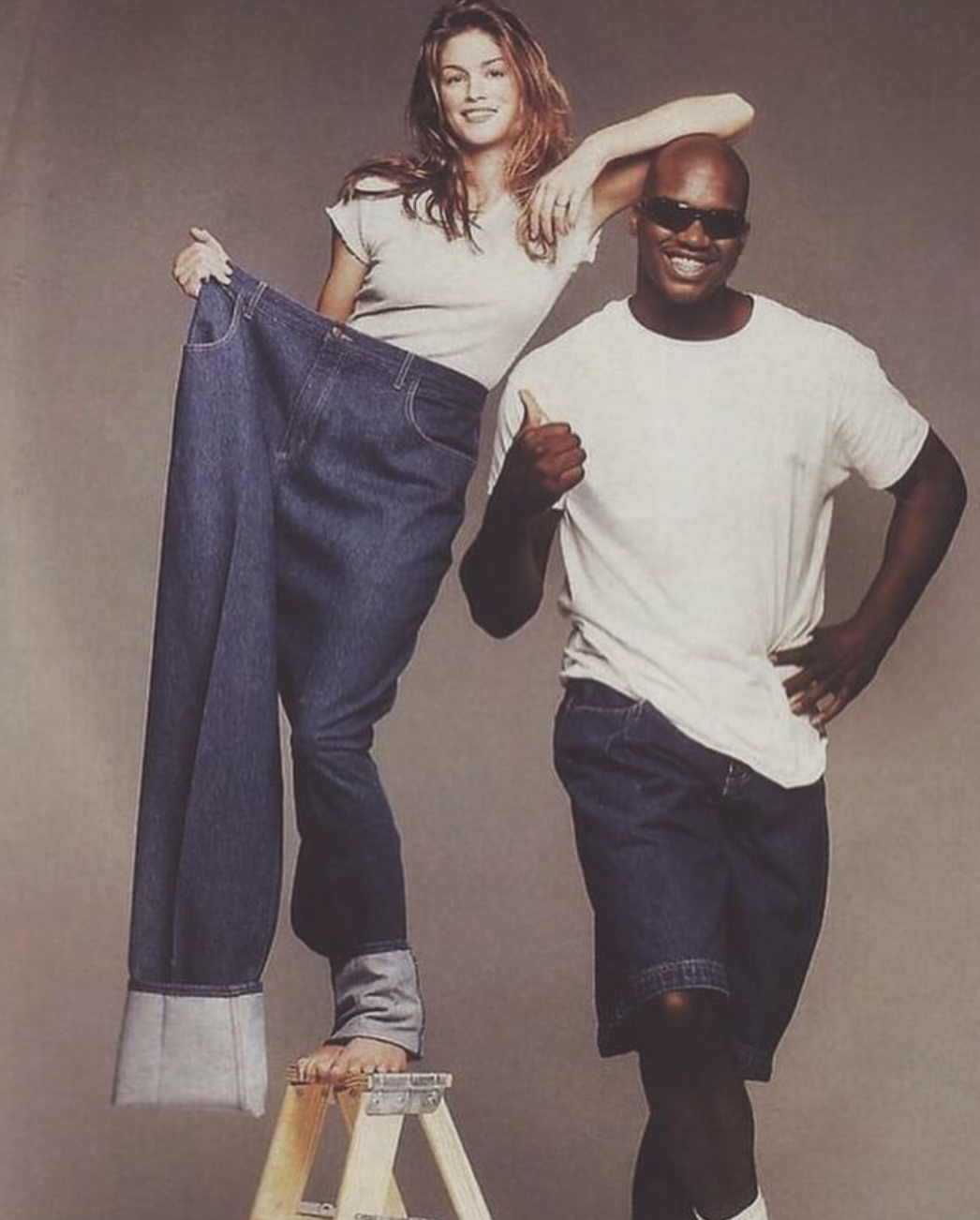
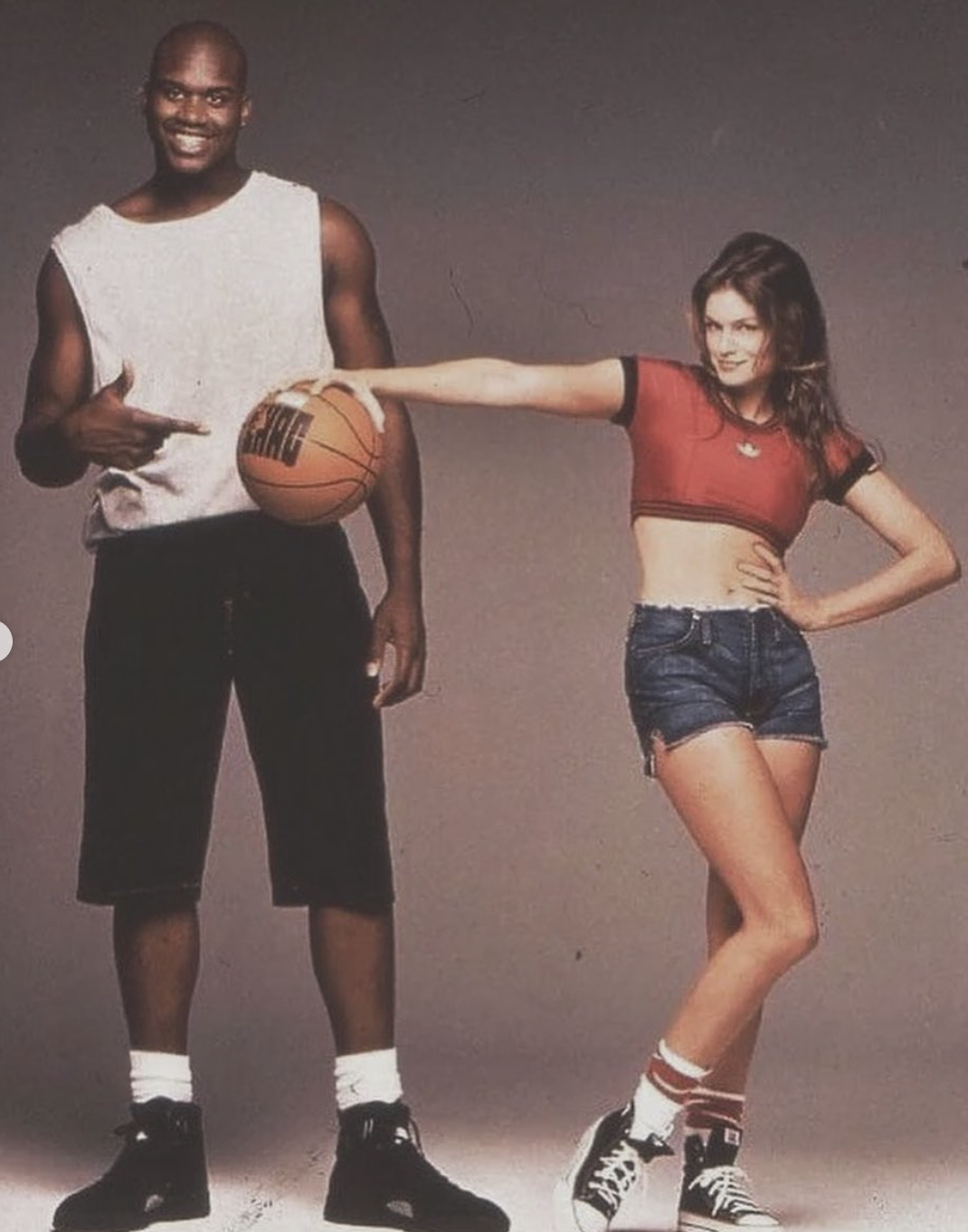
Cindy Crawford and Shaquille O'Neal, 1993.
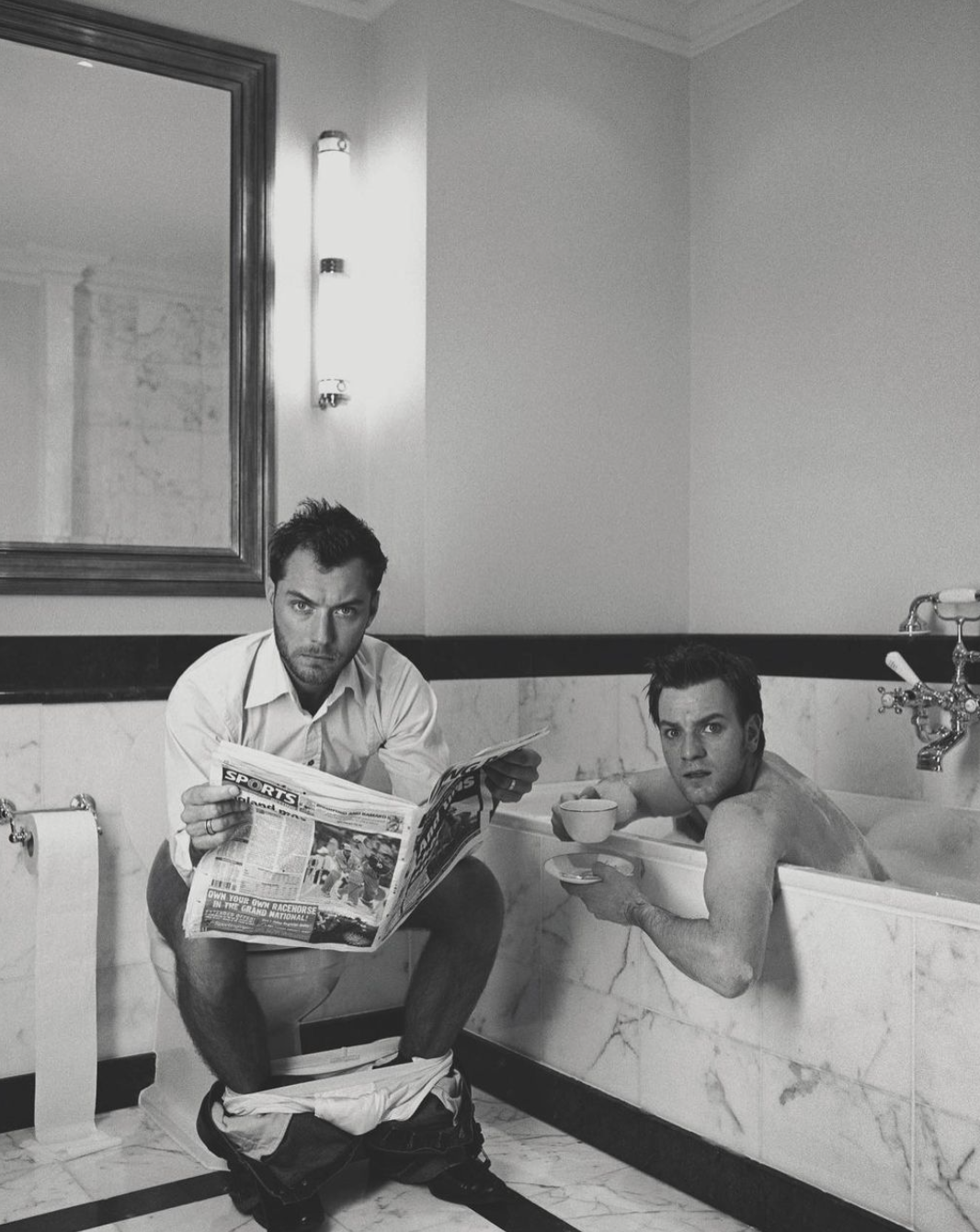
Jude Law and Ewan McGregor photographed by Lorenzo Agius, 2003.
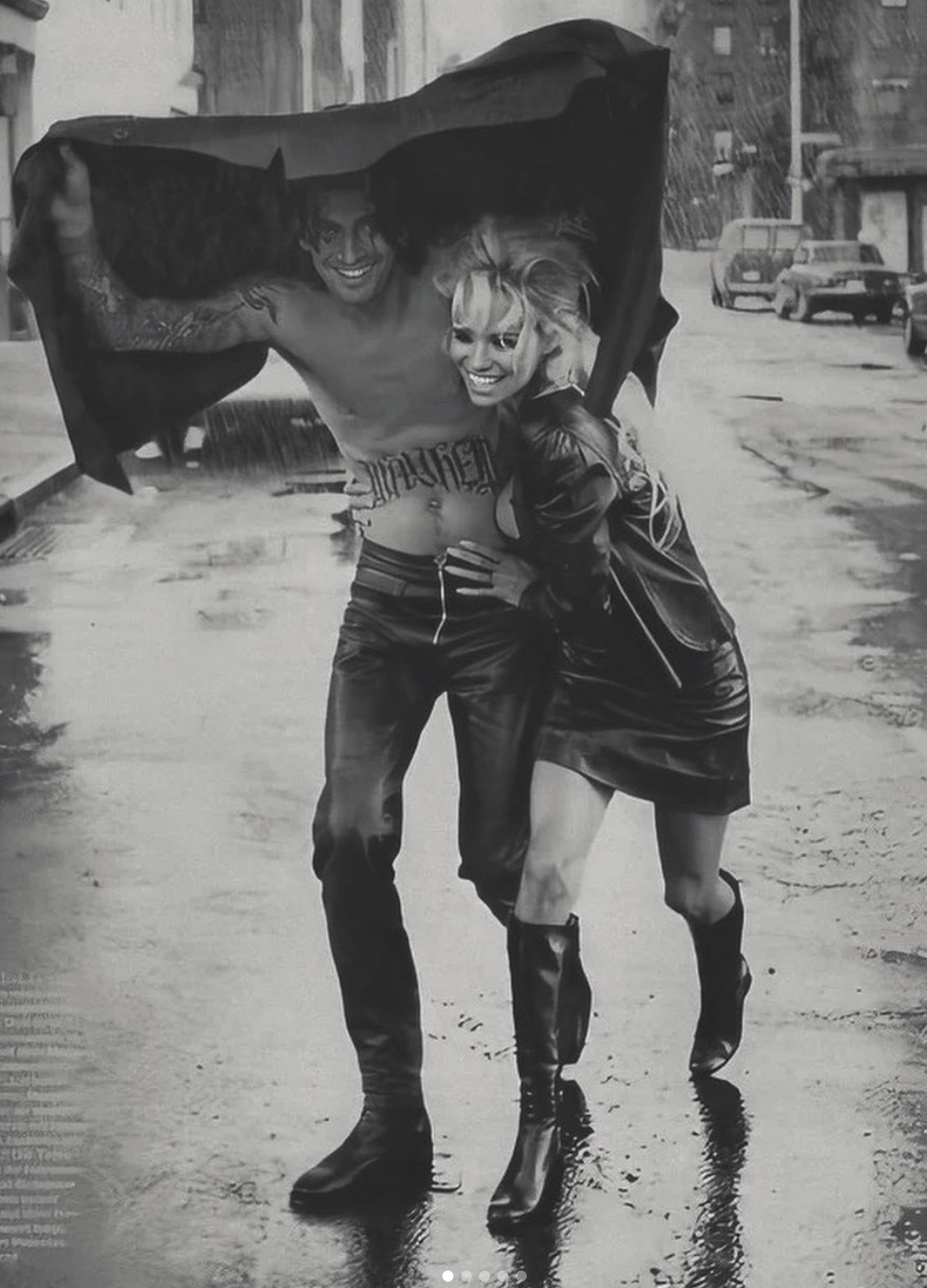
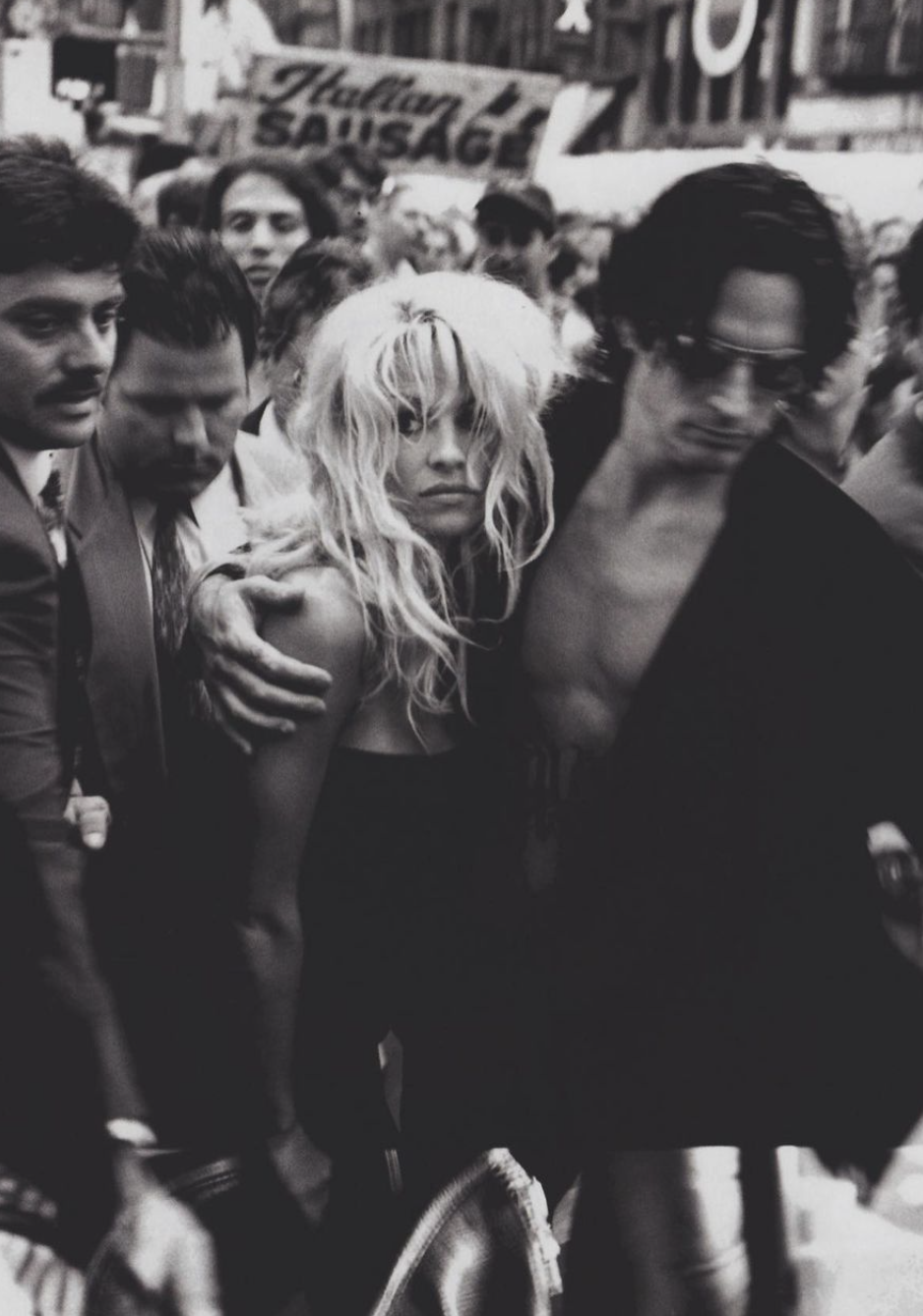
Pamela Anderson and Tommy Lee photographed by Peter Lindbergh for Harper’s Bazaar, December 1995.
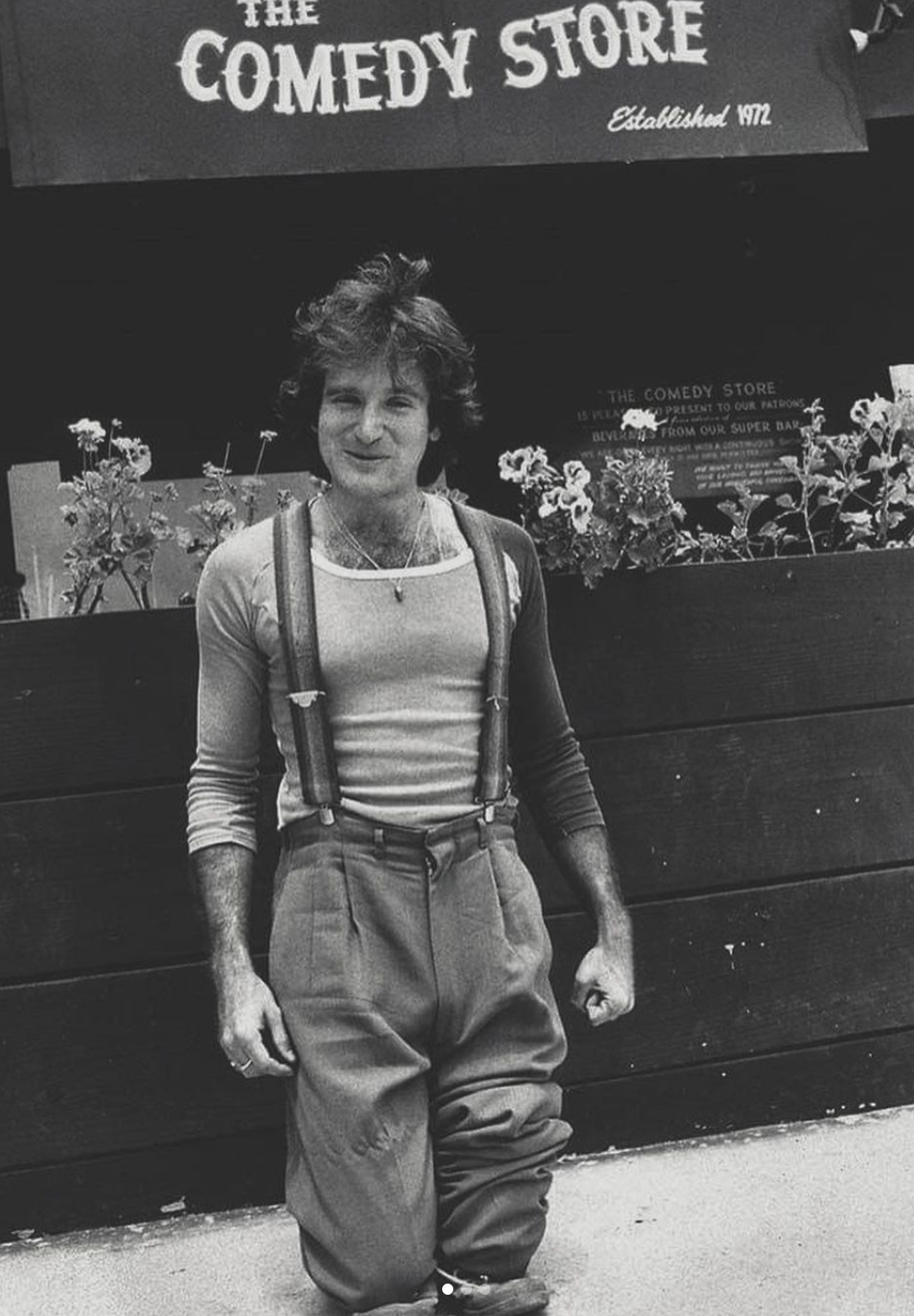
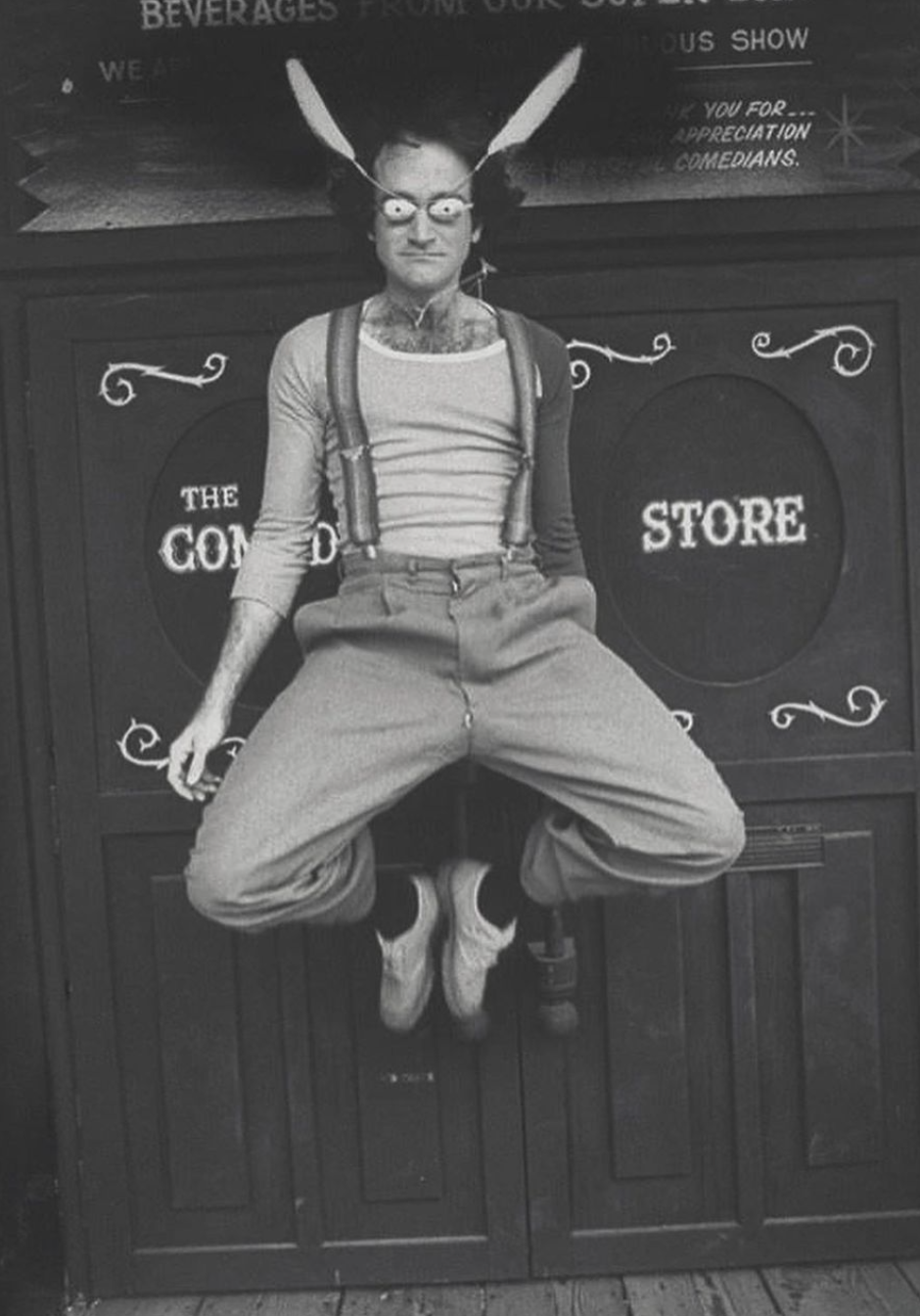
Robin Williams outside The Comedy Store in Hollywood, 1978.
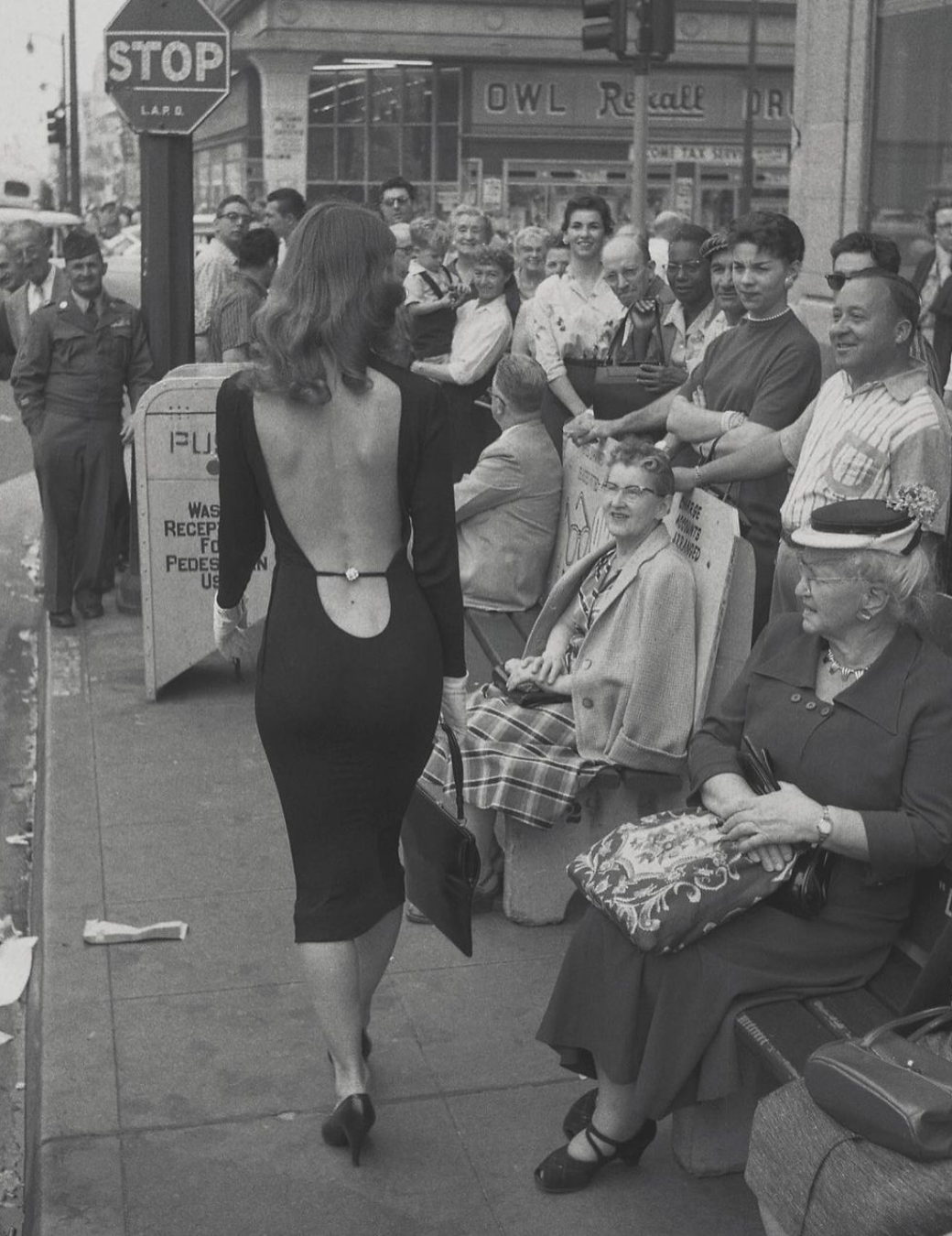
Vikki Dougan, known has “The Back, in the 50s.
She was the woman who inspired the character of Jessica Rabbit, in the Disney film “Who Framed Roger Rabbit?”
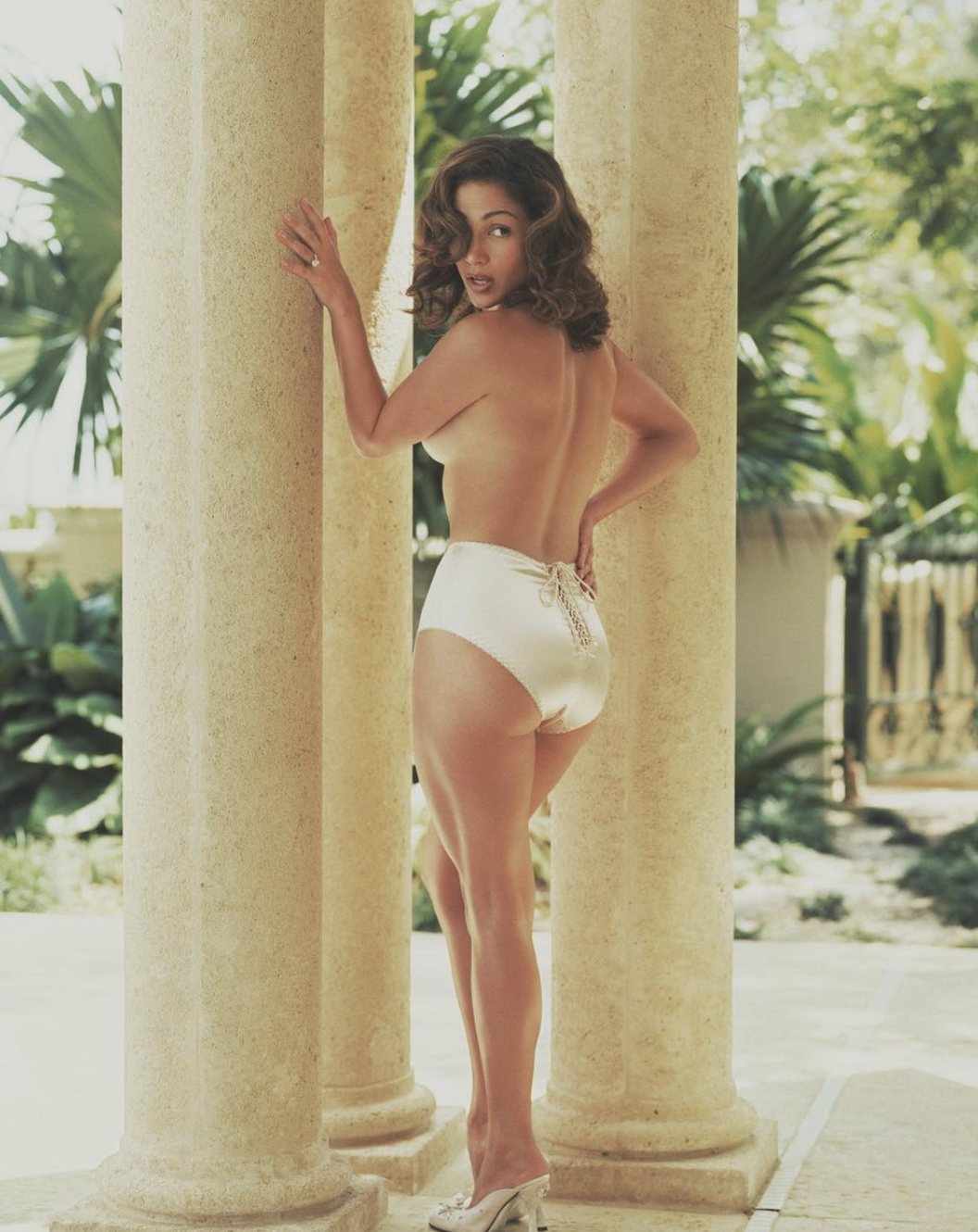
Jennifer Lopez for Vanity Fair, 1998.

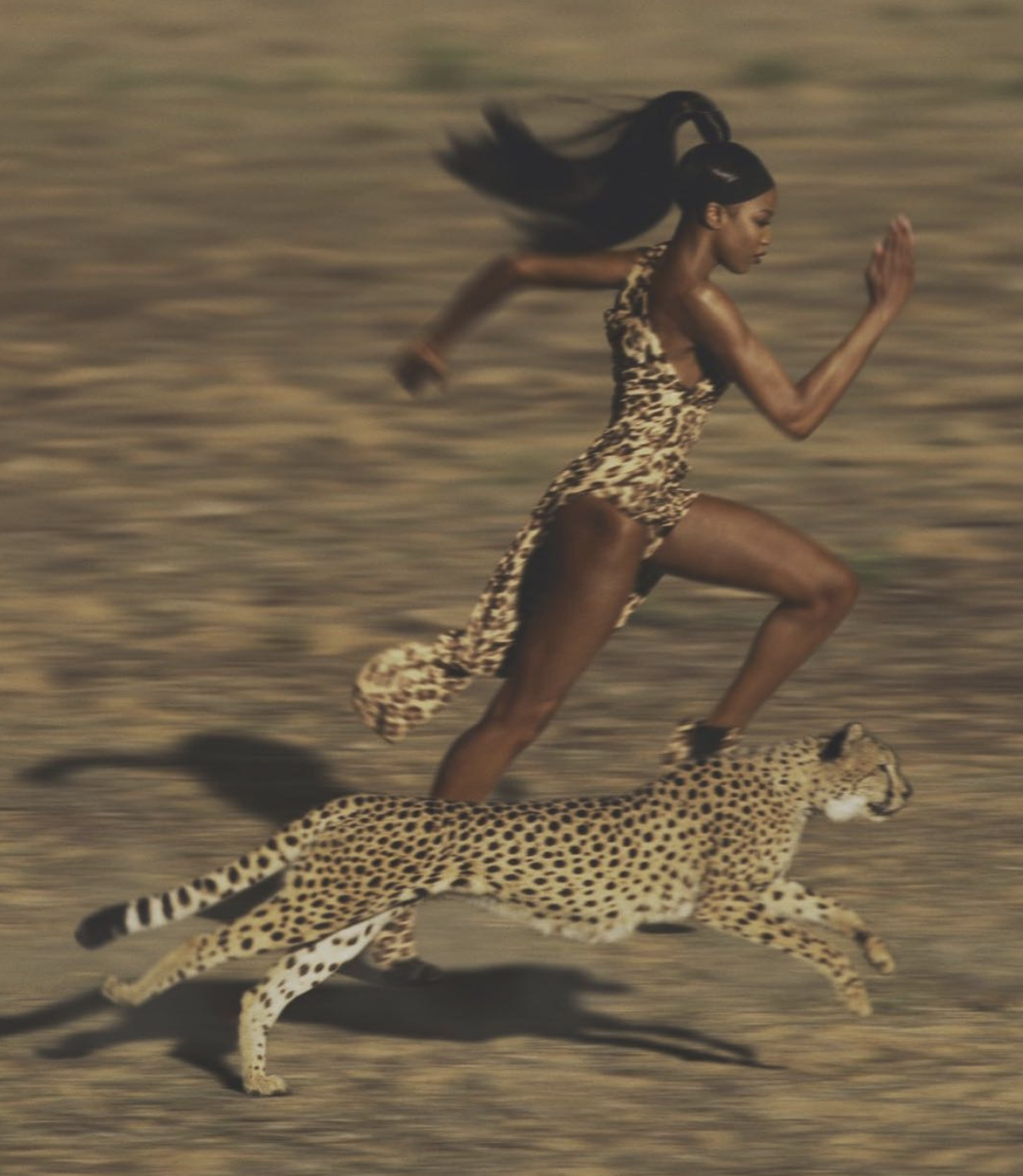
Naomi Campbell vs Cheetah for US Harper’s Bazaar, 2009.











FASHION HISTORY: Two-Tone Objects of Desire - Chanel Shoes
.
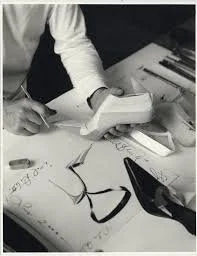
In 1957 Gabrielle Chanel introduced a style of the shoe called the “Two-tone”. Chanel called it the “The Height of Elegance.” Little did Gabrielle know that this shoe would still be at the top of its game in 21st century. The press instantly named it “The New Cinderella Shoe”. Catherine Deneuve, Romy Schneider, Bridgitte Bardot were among the first ones to wear it.
So what was the idea behind two tone?
While the nude elongates the leg, the black shortens the foot. It can well be transformed from day to night and naturally got the name of a “must-have” shoe.

Gabrielle famously said,
‘We leave in the morning with a beige and black, we lunch with beige and black, we go to a cocktail party with beige and black,’We are dressed from morning to night!’
63 years later Virginie Viard pays homage to the shoe in Spring Summer 2020 Collection.


FASHION HISTORY: FASHION FROM THE PAST
Around 1918 and especially after the First World War, women began to wear more comfortable and lighter clothing to go to the beach. A two-piece set (or jumpsuit) with baggy pants that became the perfect outfit to wear on the seaside, at a time when women were not wearing pants. Known as beach pajamas, this set became very fashionable in the 1920s among upper-class women who spent beach vacations and was booming during the 1930s. Even Juan-Les-Pins beach in the Côte d'Azur was popularly known as "Pajamapolis", as the beach pajamas were the most used clothing by its visitors.
Coco Chanel -pioneer in wearing pants on the beach- and Elsa Schiaparelli were some designers who created this type of outfit.
A group of women wearing beach pajamas with a wider neckline at the back (1934).
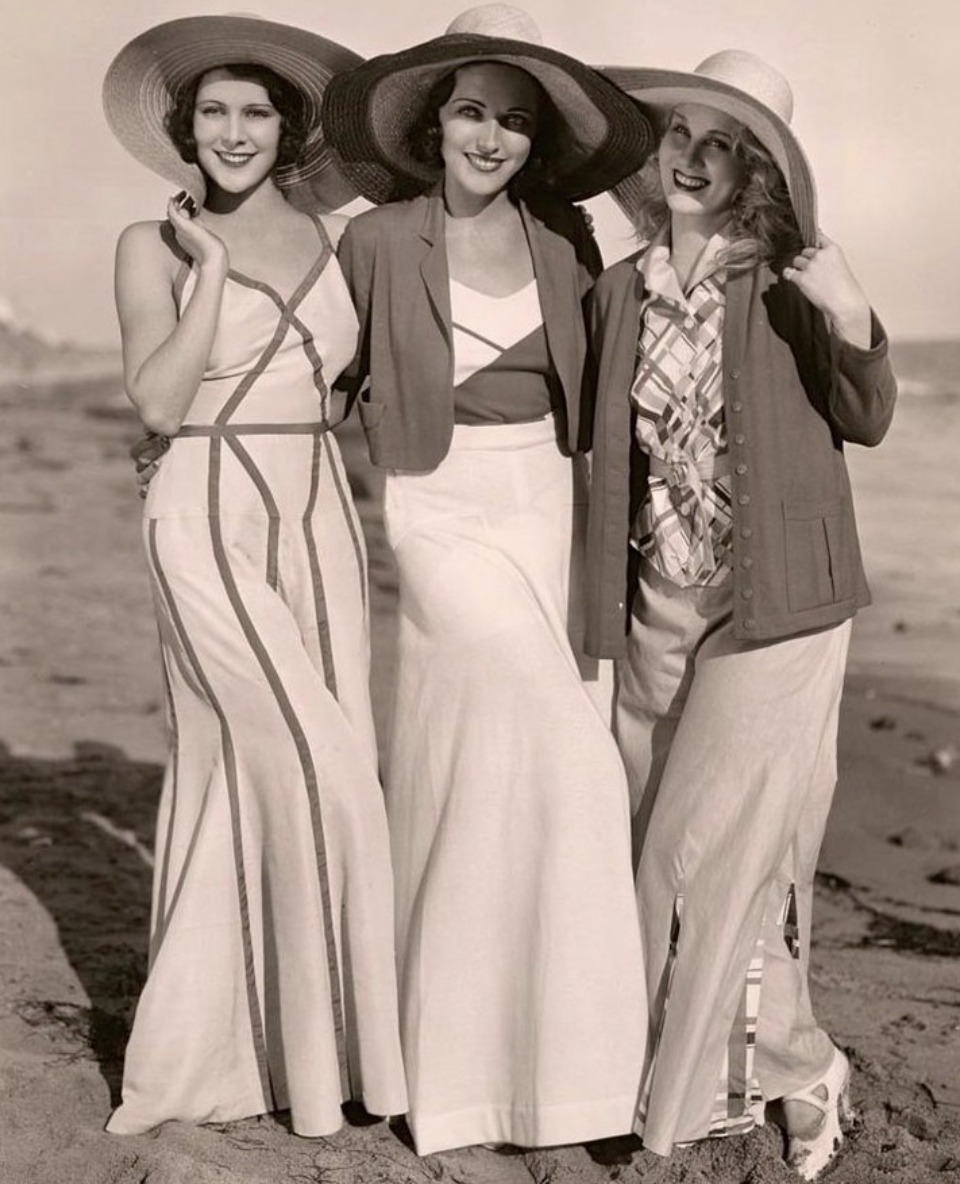
Actresses Frances Dee, Adrienne Ames and Judith Wood wearing beach pajamas in the early 1930s.
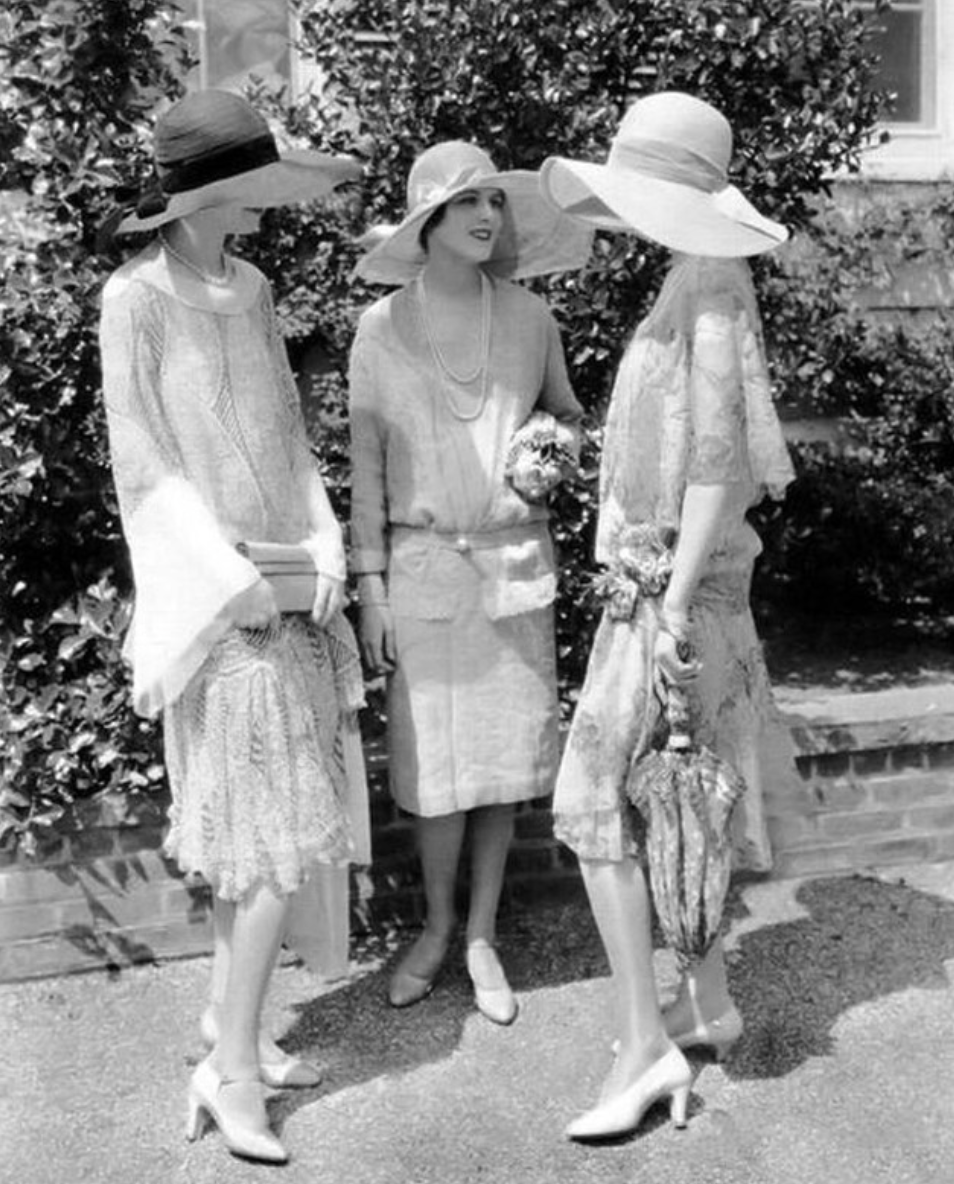
Models Alden Gay, Marion Morehouse and Miss Collier wearing chiffon dresses and hats, photographed by Edward Steichen for vogue, 1927.
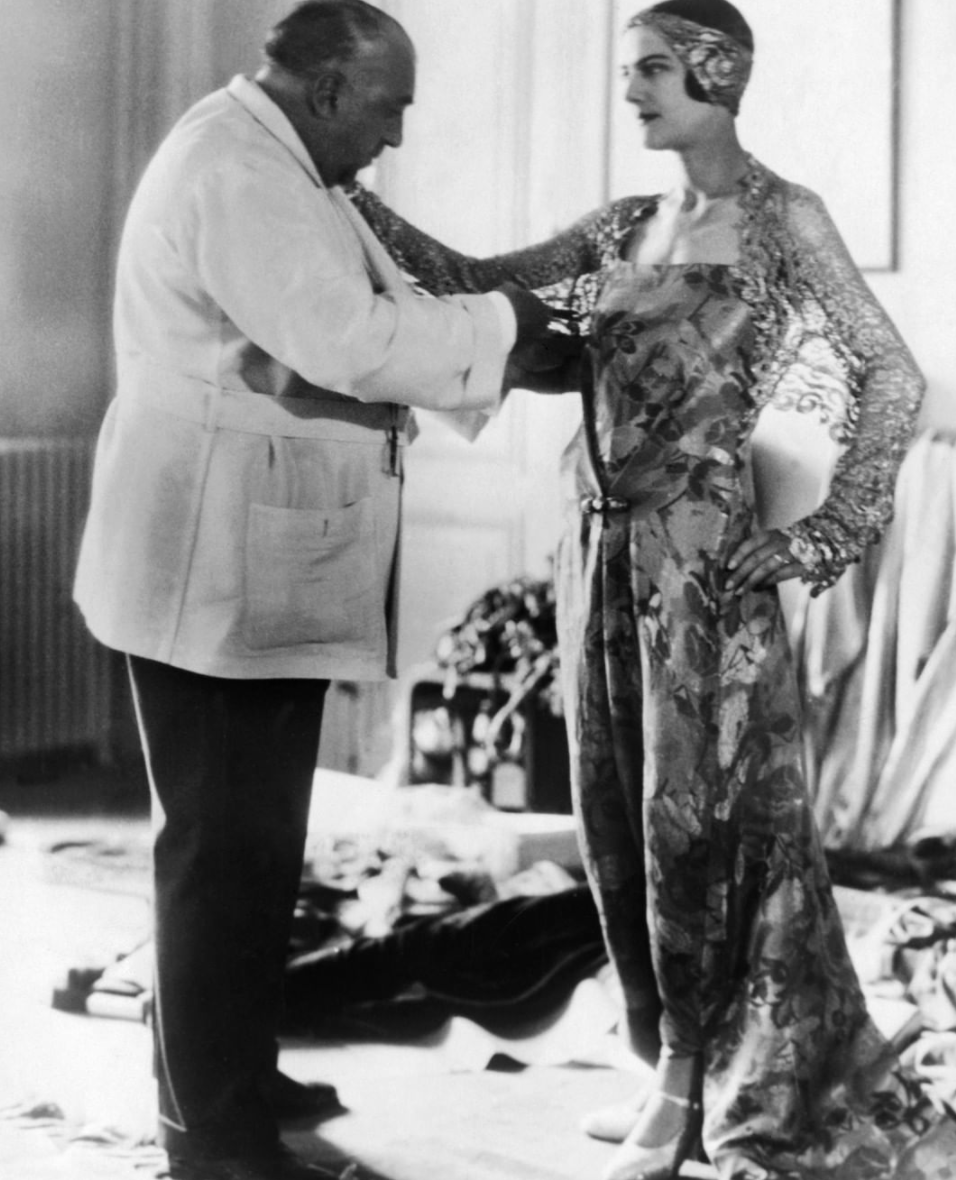
On April 20, 1879, Paul Poiret, called 'Le Magnifique'. was born. He dominated the European fashion of the early twentieth century, made draped dresses its most representative element and was one of the pioneers in removing the corset.
Influenced by oriental fashion, he popularized kimonos, caftans, tunics, and turbans. He created the harem pants, the hobble skirt and the lampshade tunic. He loved color and dressed women in rich, vibrant tones.
He held lavish parties that gave him a lot of publicity, although they ruined him, and he knew how to get the most out of his brand creating perfumes, furniture, textiles and other household items.
His muse was his wife, Denise Boulet, although they ended up divorcing after 23 years together.
But, despite his enormous international success, he died in misery and totally forgotten.

Model wearing a black Givenchy linen romper with a bow at the waist, a pink and white organza jacket and a black straw hat. Photo by Bert Stern, 1969.

On May 12, 1907 Katharine Hepburn was born. Named the biggest female star in Hollywood history, she received four Academy Awards for Best Actress. Her style was casual and effortless, she publicly preferred to wear wide legged pants, shirts and suits because she put comfort before glamor. She played independent women and personified the modern and emancipated woman.
Katharine Hepburn in a scene from the film 'The Philadelphia Story', 1940.
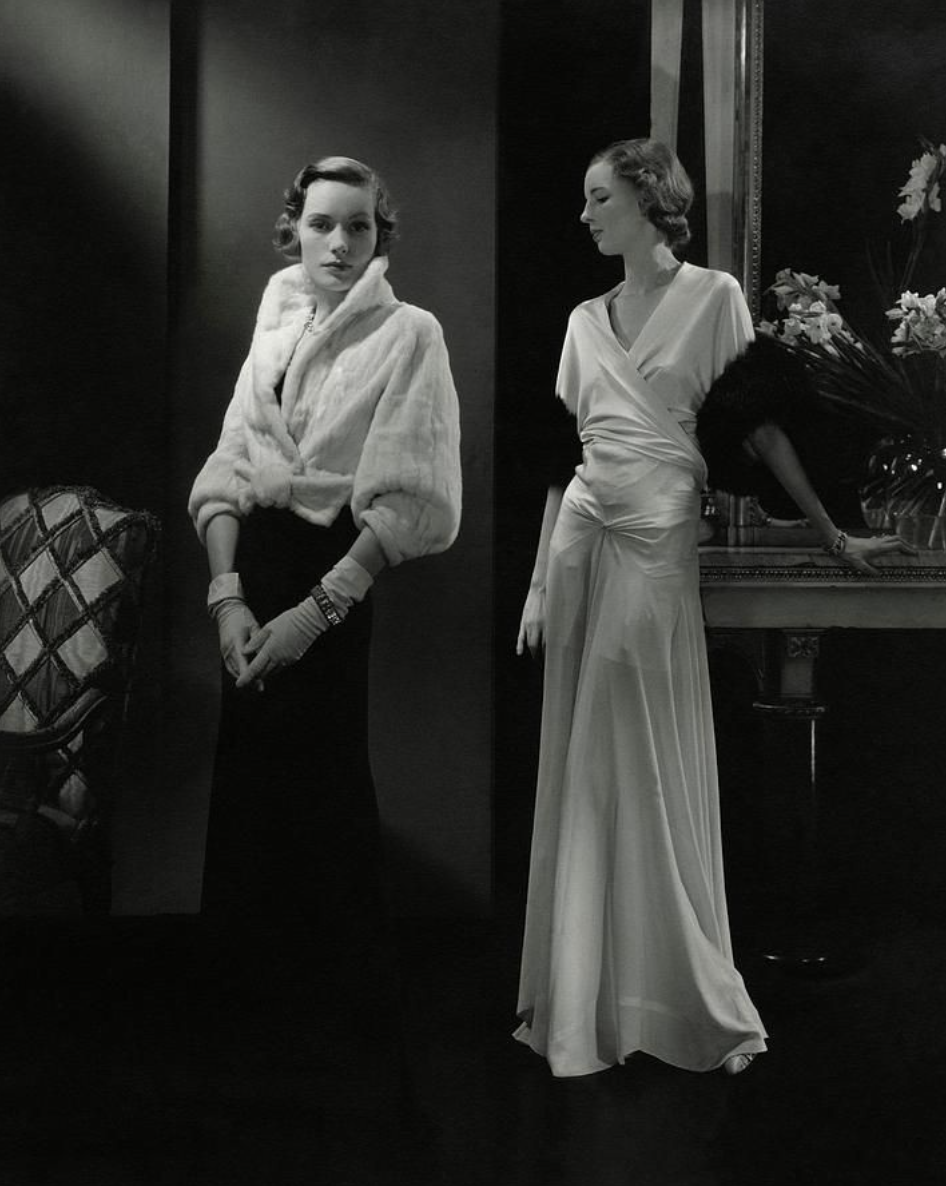
Two models -on the left is Mrs. Francis A. Wyman- photographed by Edward Steichen for Vogue, 1932.
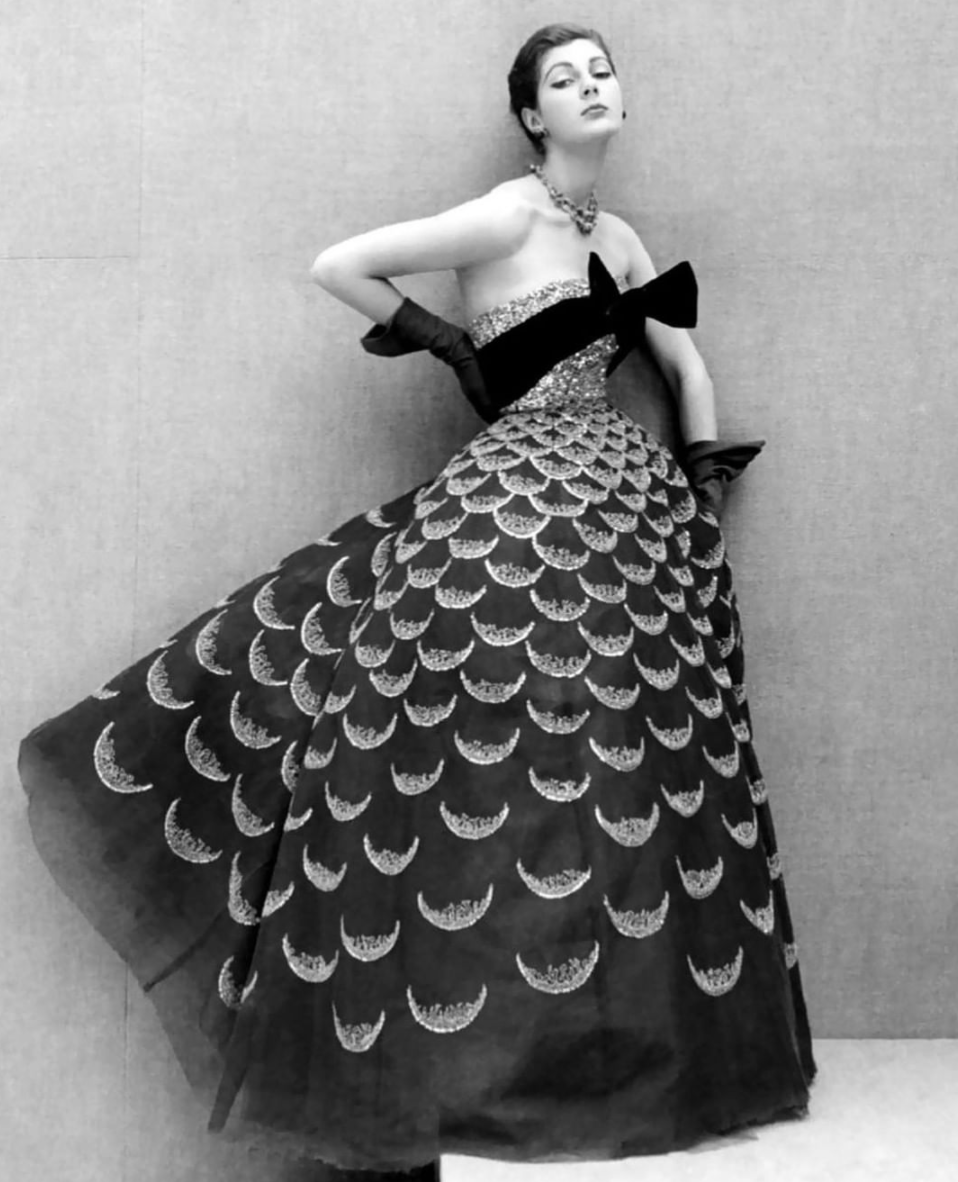
Model Fiona Campbell-Walter in Dior photographed by Henry Clarke, 1951.

On May 6, 1992, Marlene Dietrich died. Actress, singer, and icon of sexual freedom. She imposed feminine pants and adopted masculine garments (ties, shirts, hats) that she combined with glamorous hairstyles and makeup to create her daring and sophisticated style.
Marlene Dietrich on board the ocean liner Europe, 1933.
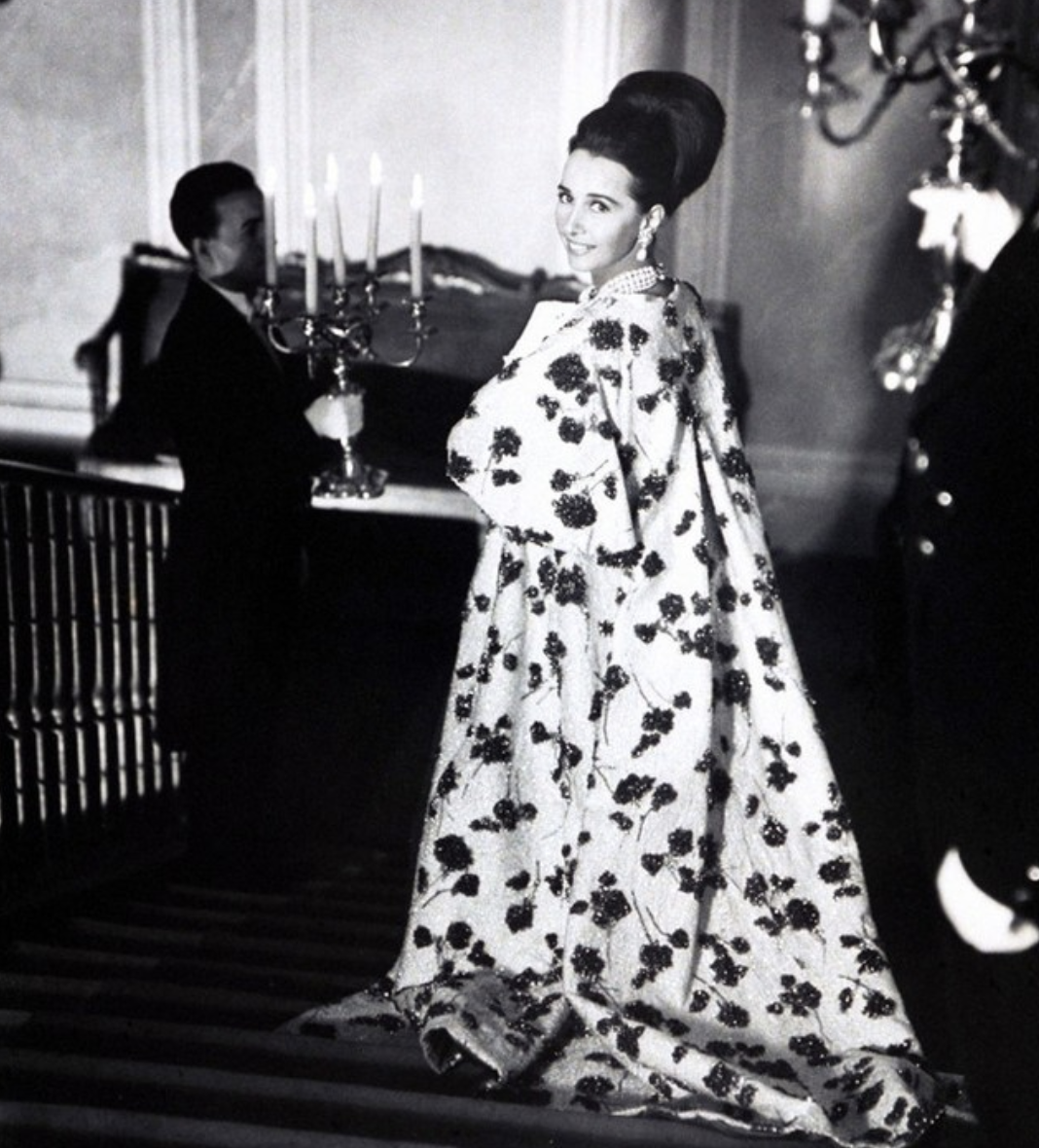
Aline Griffith wearing a full length embroidered coat by Pedro Rodríguez , photographed by Henry Clarke for Vogue, 1963.
Aline Griffith left her job as a model to become a spy for the CIA's predecessor Office of Strategic Services (OSS). She was sent to Spain, where she would meet Luis de Figueroa, count of Quintanilla and later III count of Romanones. As part of the Spanish nobility, she was well known for her lavish parties attended by world celebrities such as Ronald and Nancy Reagan, Salvador Dalí, Ava Gardner, Rainier of Monaco and Grace Kelly, Audrey Hepburn and Mel Ferrer, Imelda Marcos, the Dukes of Windsor, Jackie Kennedy, among many others.
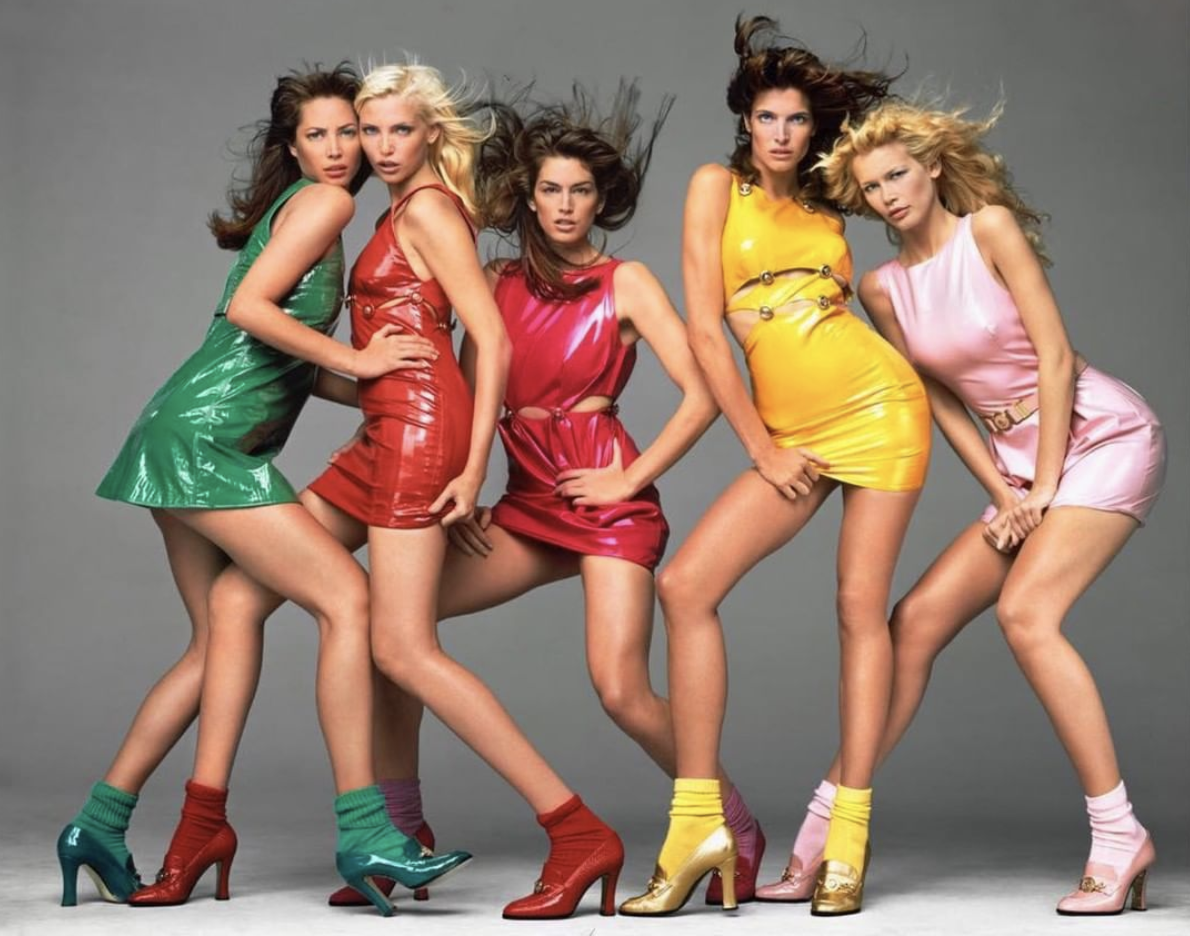
Christy Turlington, Nadja Auermann, Cindy Crawford, Stephanie Seymour and Claudia Schiffer for Gianni Versace, photographed by Richard Avedon, 1994.
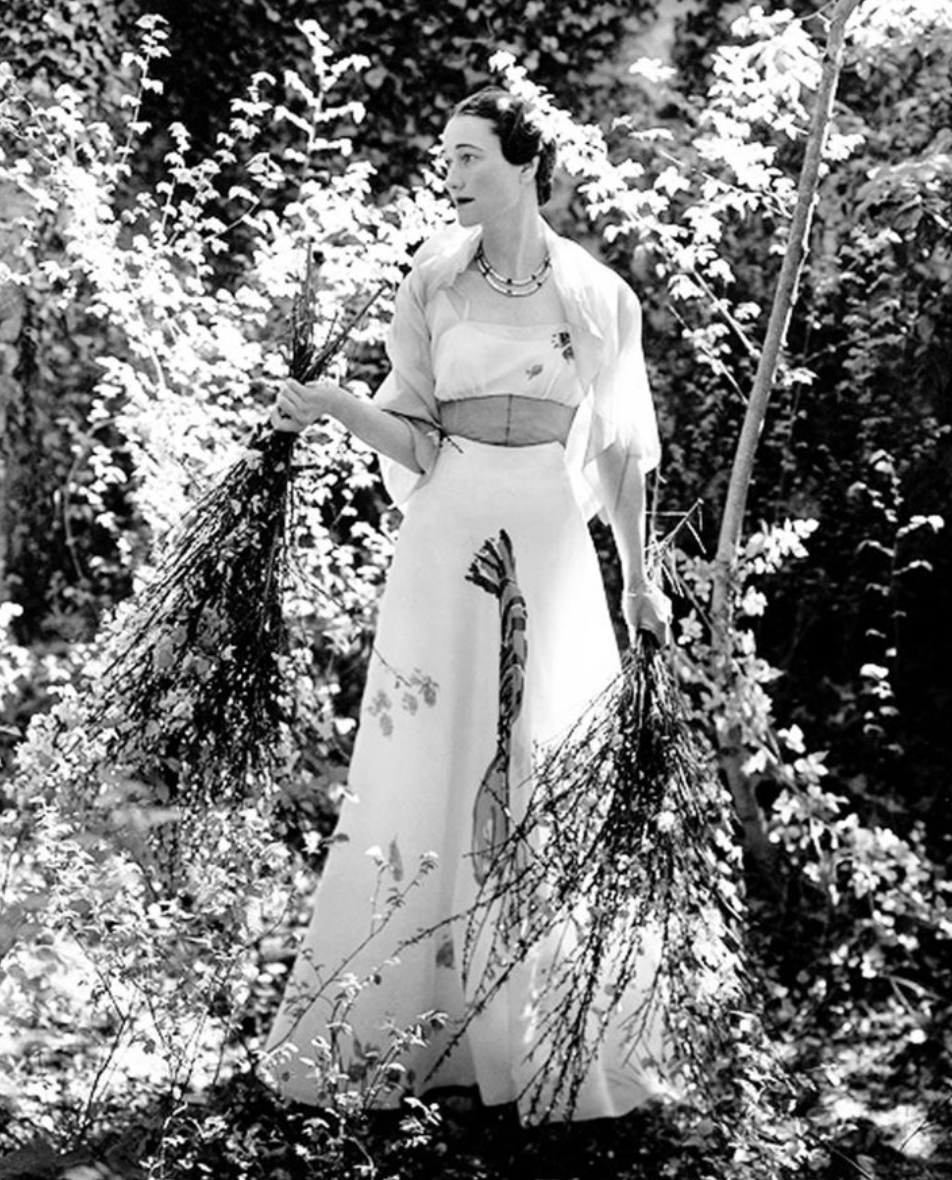
On April 24, 1986, Wallis Simpson passed away.
In 1933 she met David, the Prince of Wales, who fell in love with her and would abdicate in 1936, after less than a year on the throne as Edward VIII to marry her.
Wallis used fashion to differentiate herself from the British royal family, her style was unique, glamorous and daring. And she had a reserved seat in the front row of the Givenchy, Schiaparelli, Dior and Mainbocher shows.
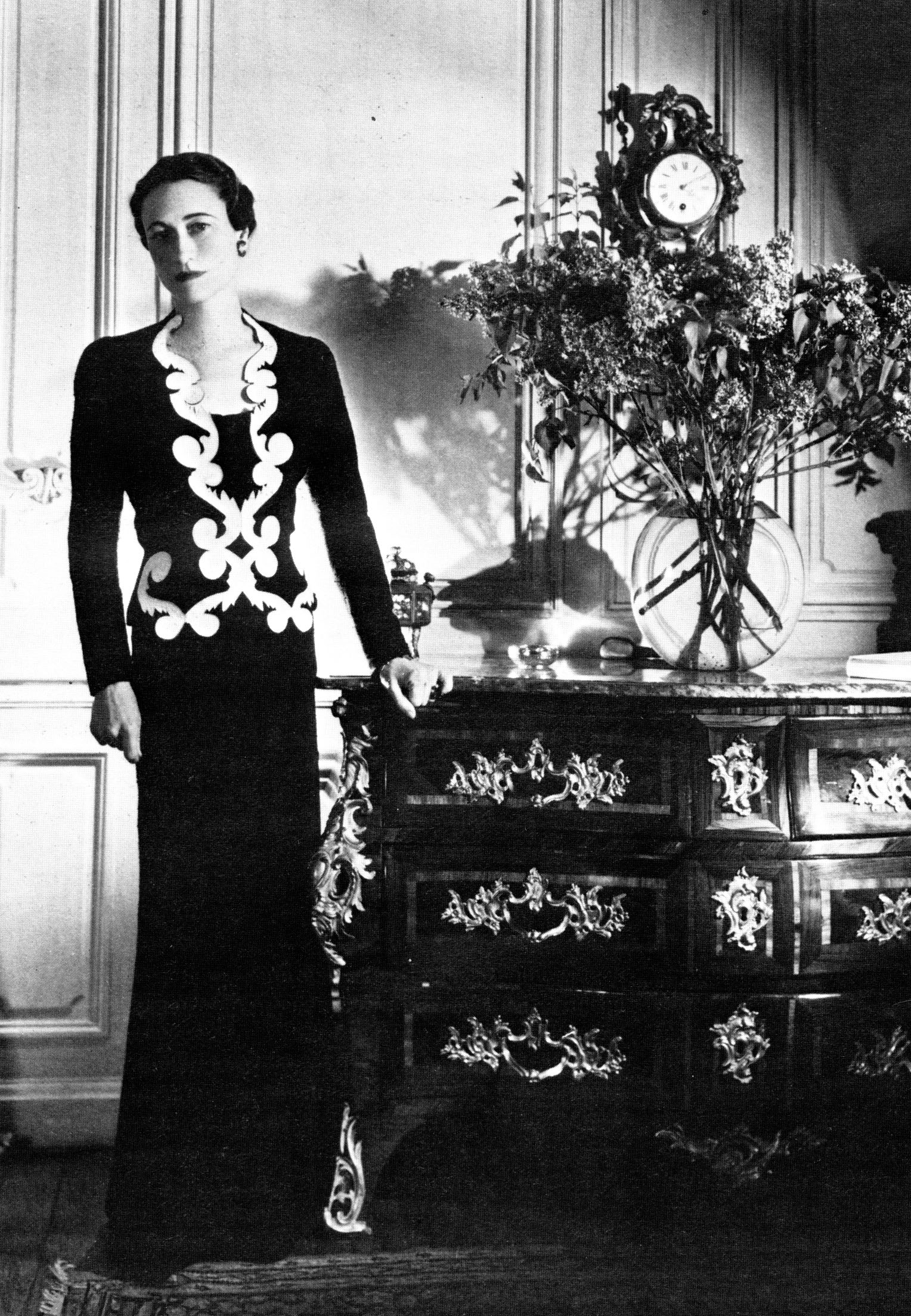
Wallis Simpson with the lobster dress designed by Elsa Schiaparelli and Salvador Dalí, photographed by Cecil Beaton for Vogue, 1937.
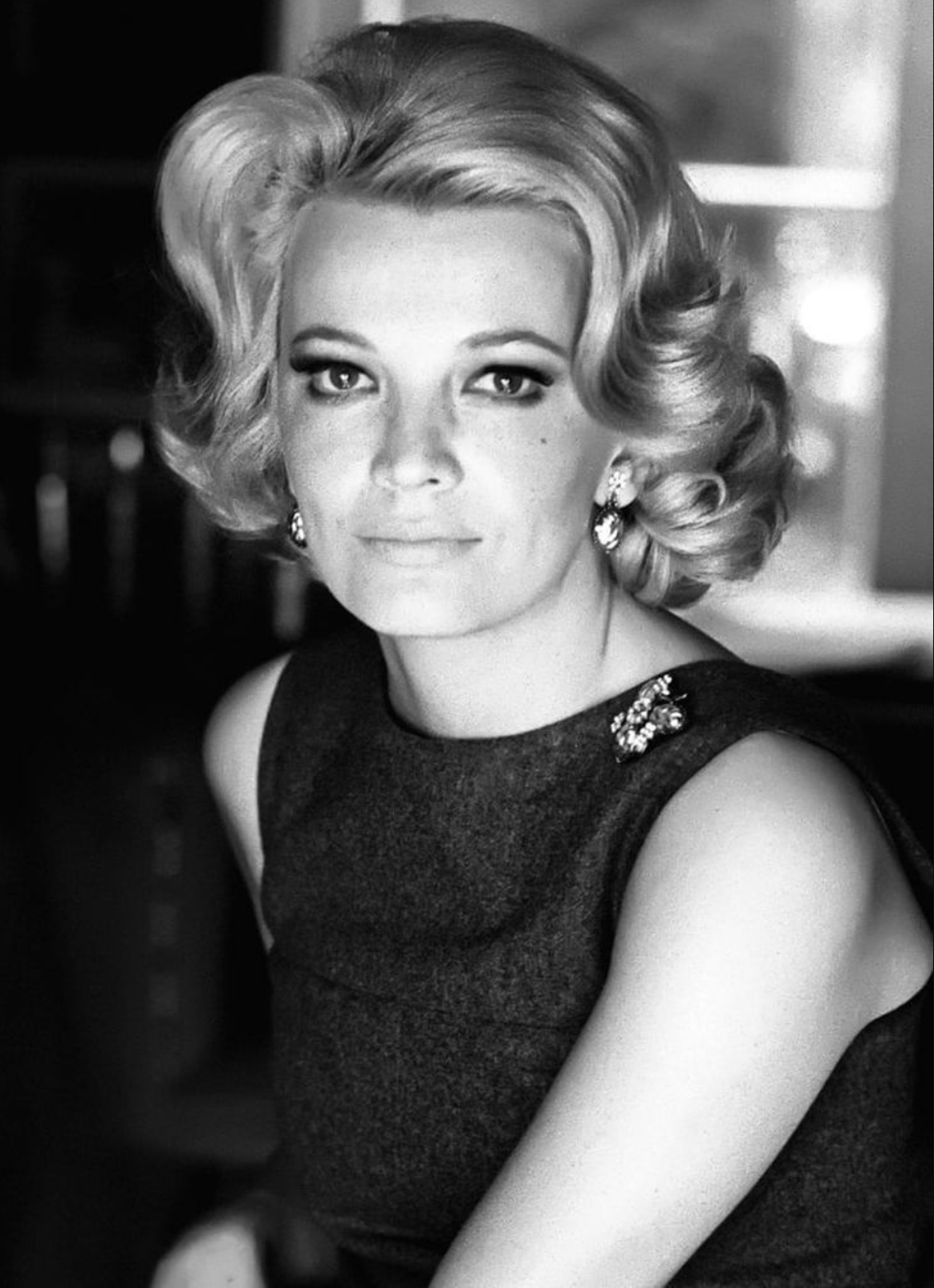
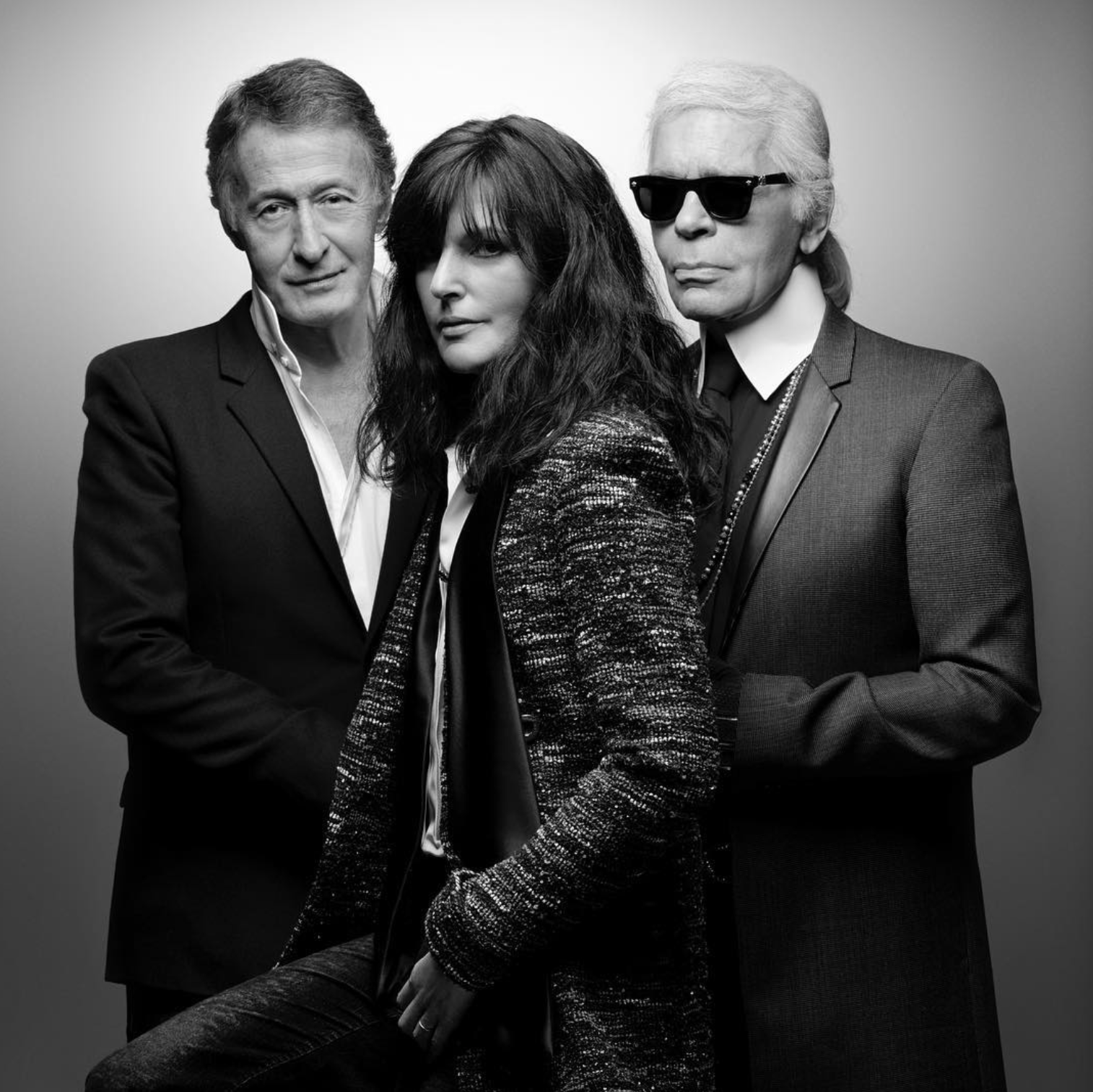
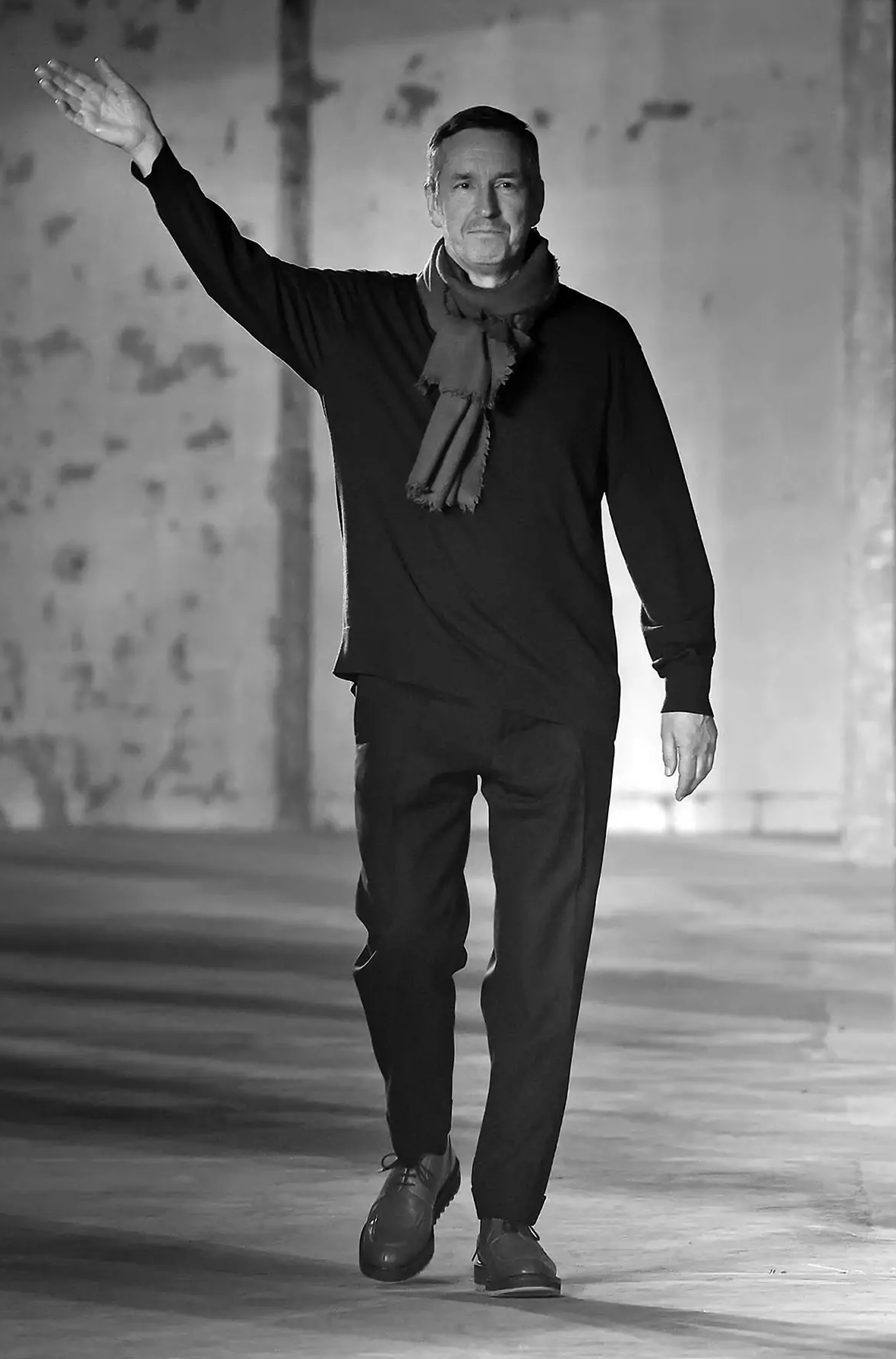


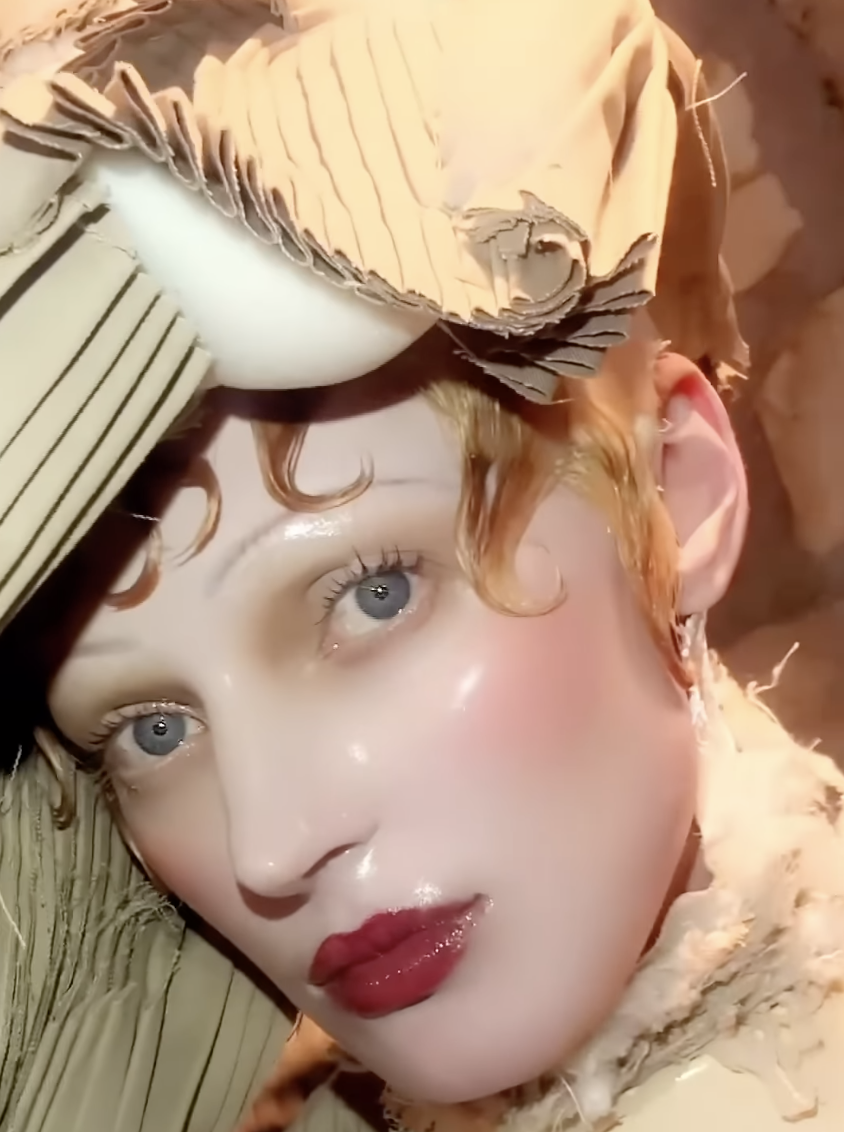
















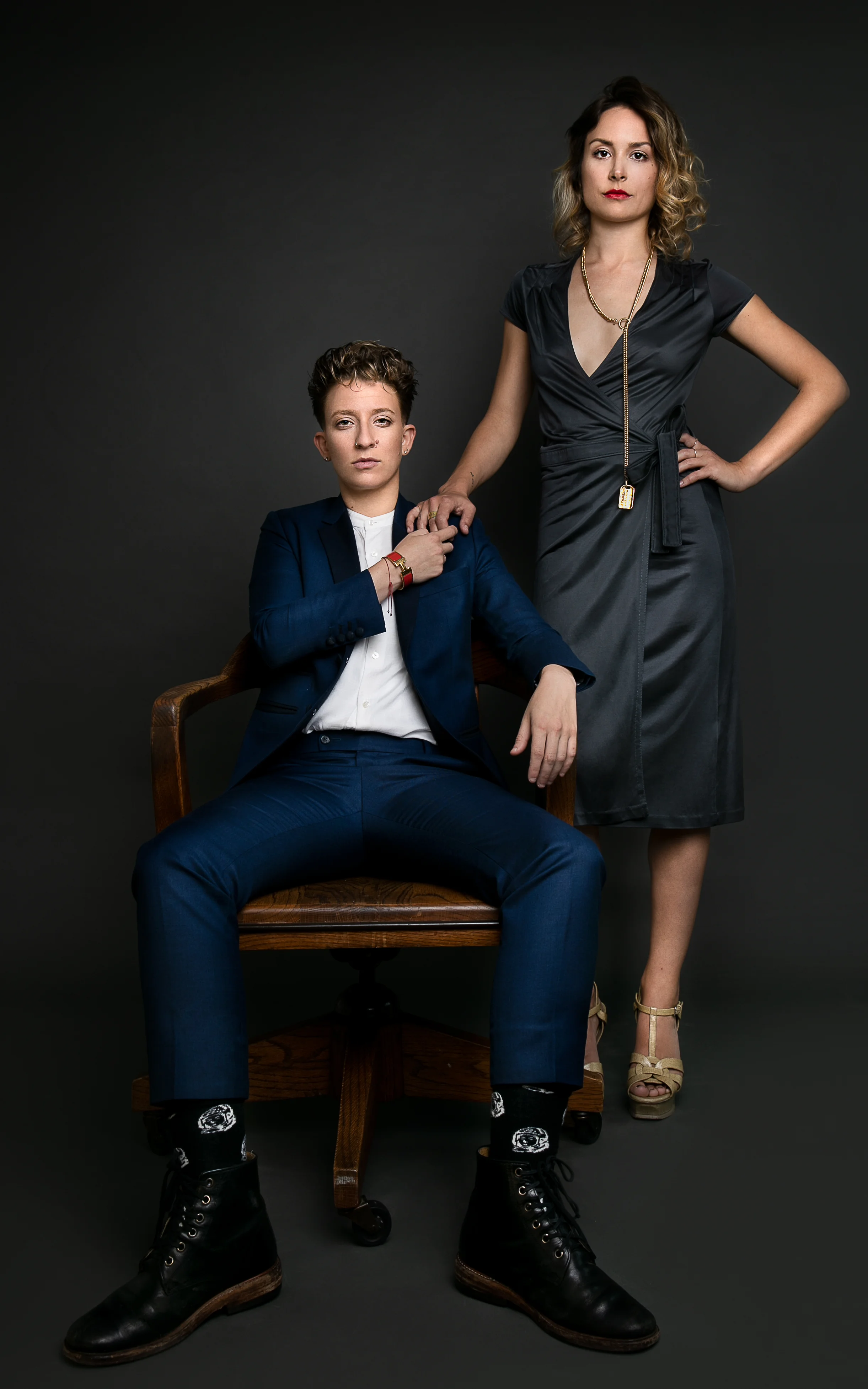


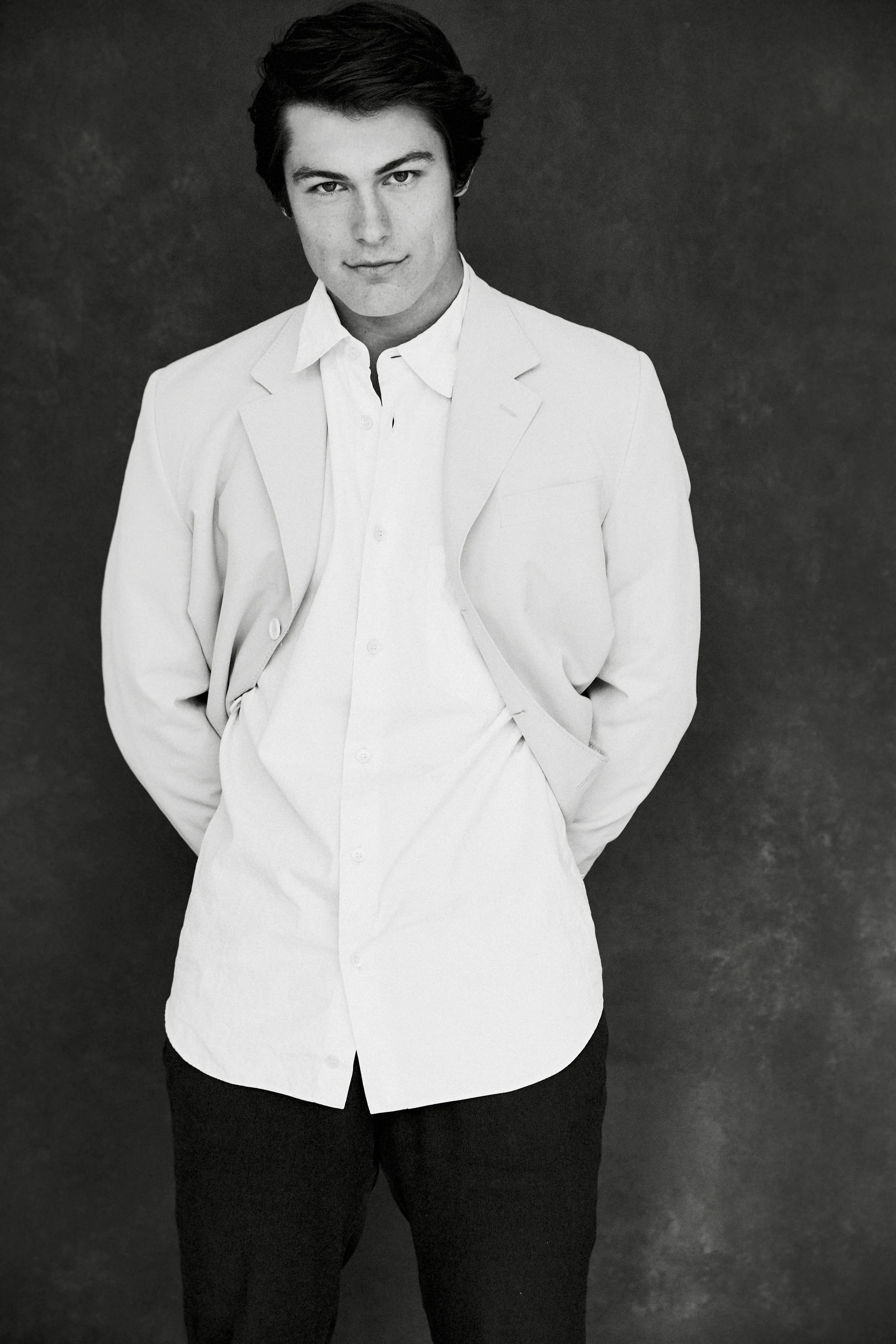
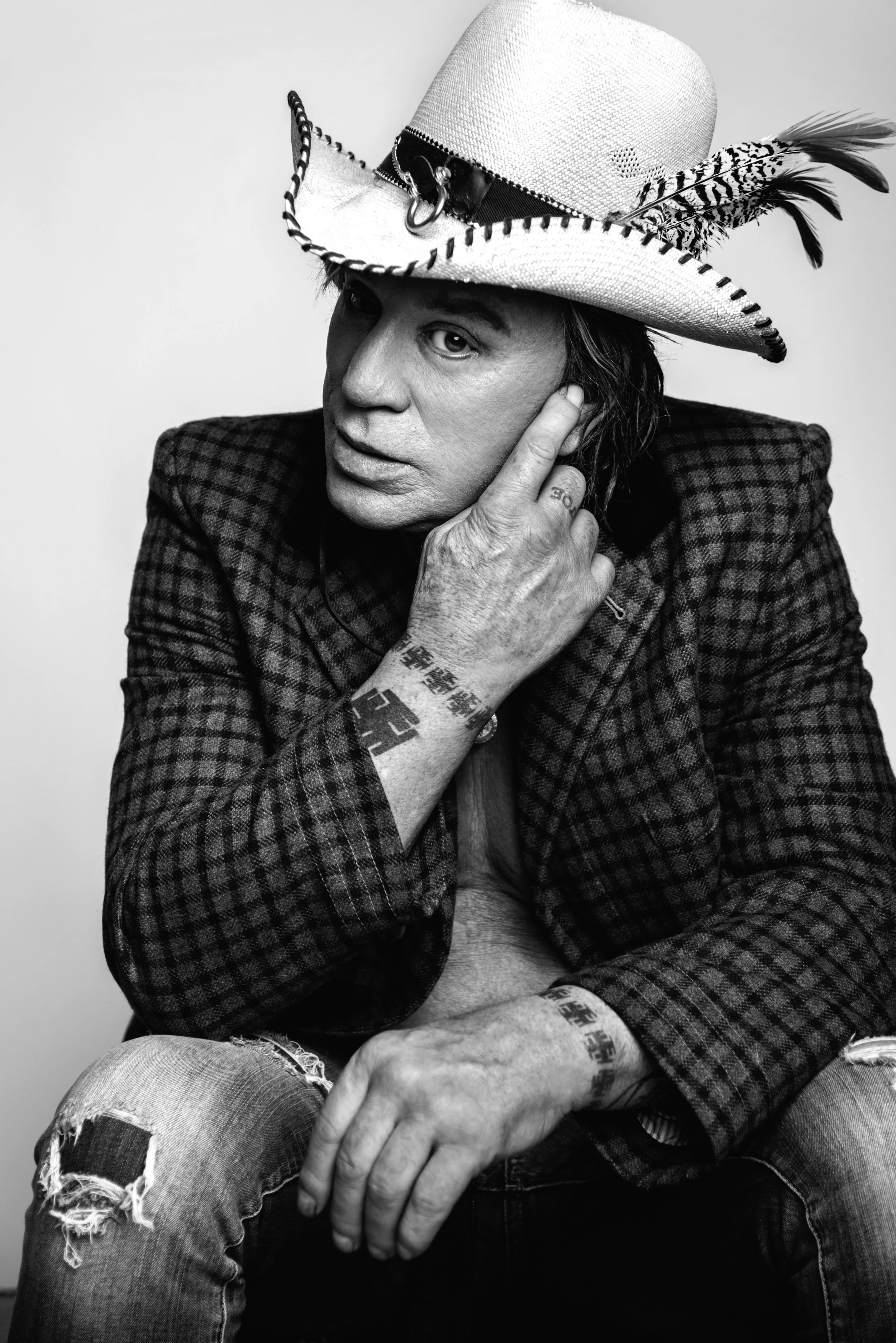



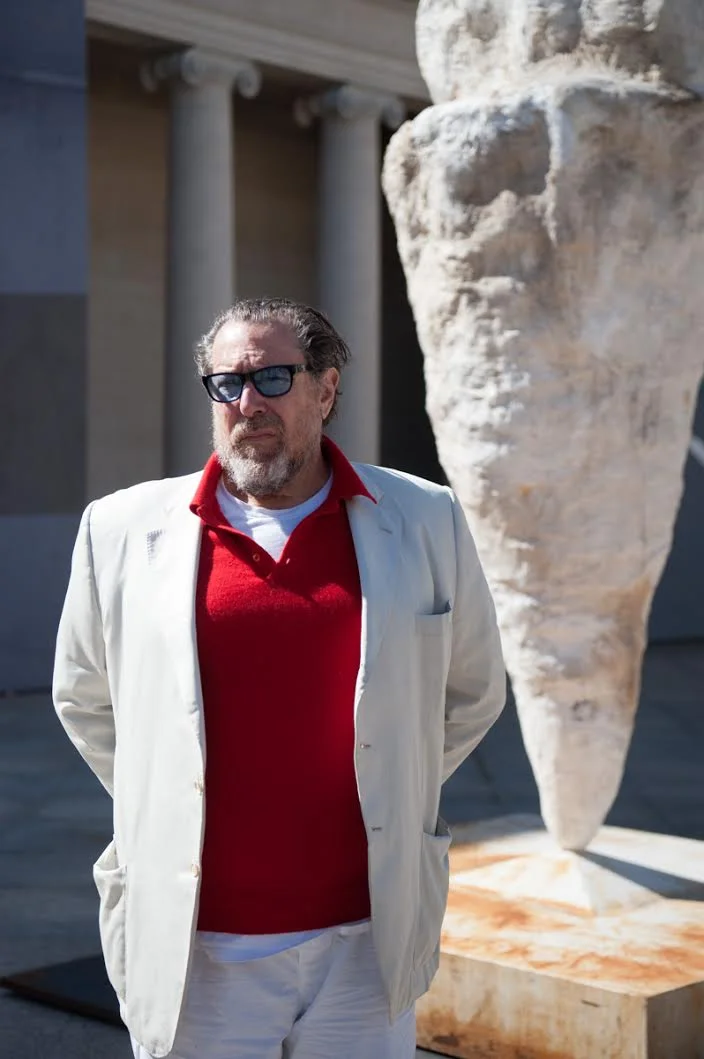












FASHION HISTORY: GUY BOURDIN
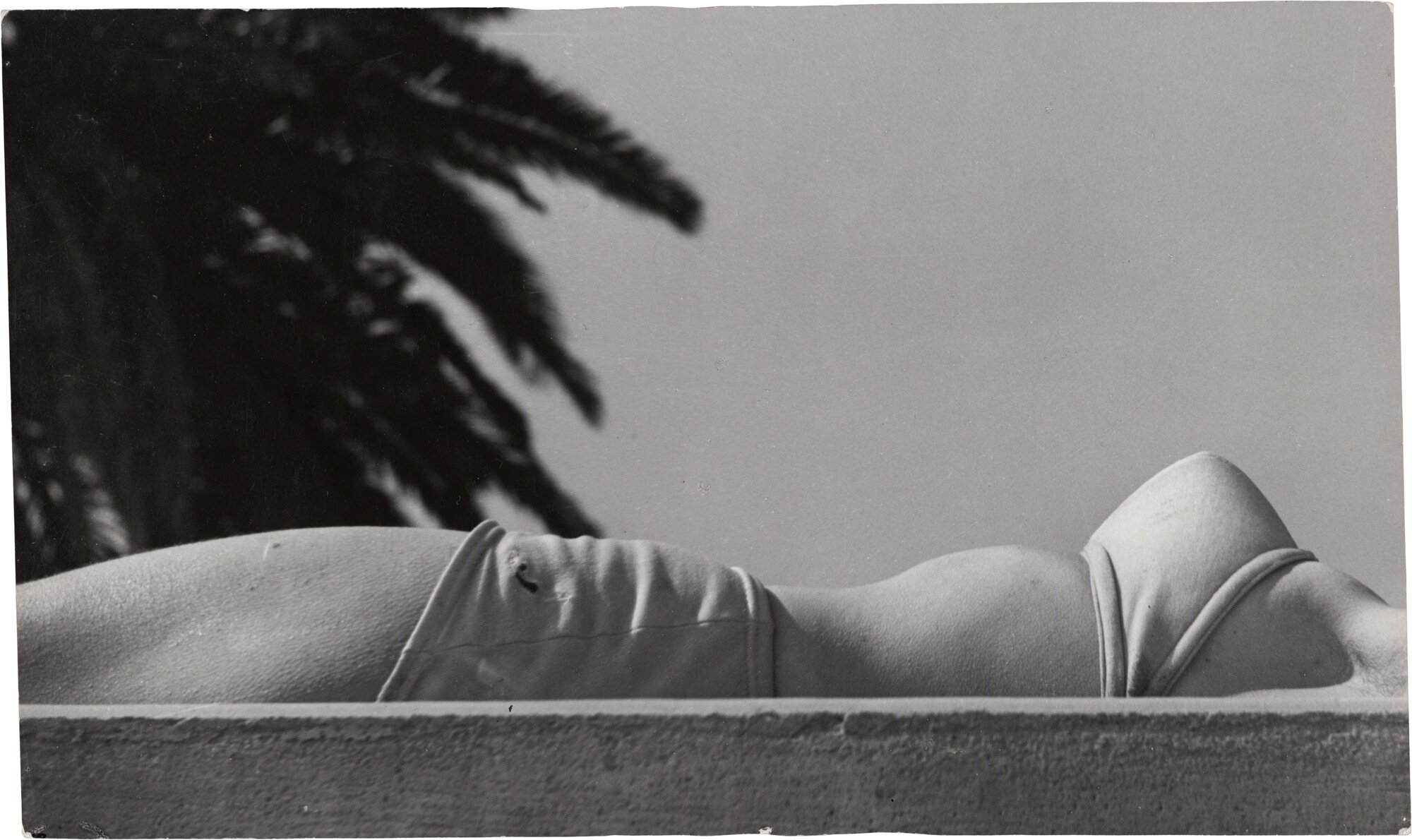
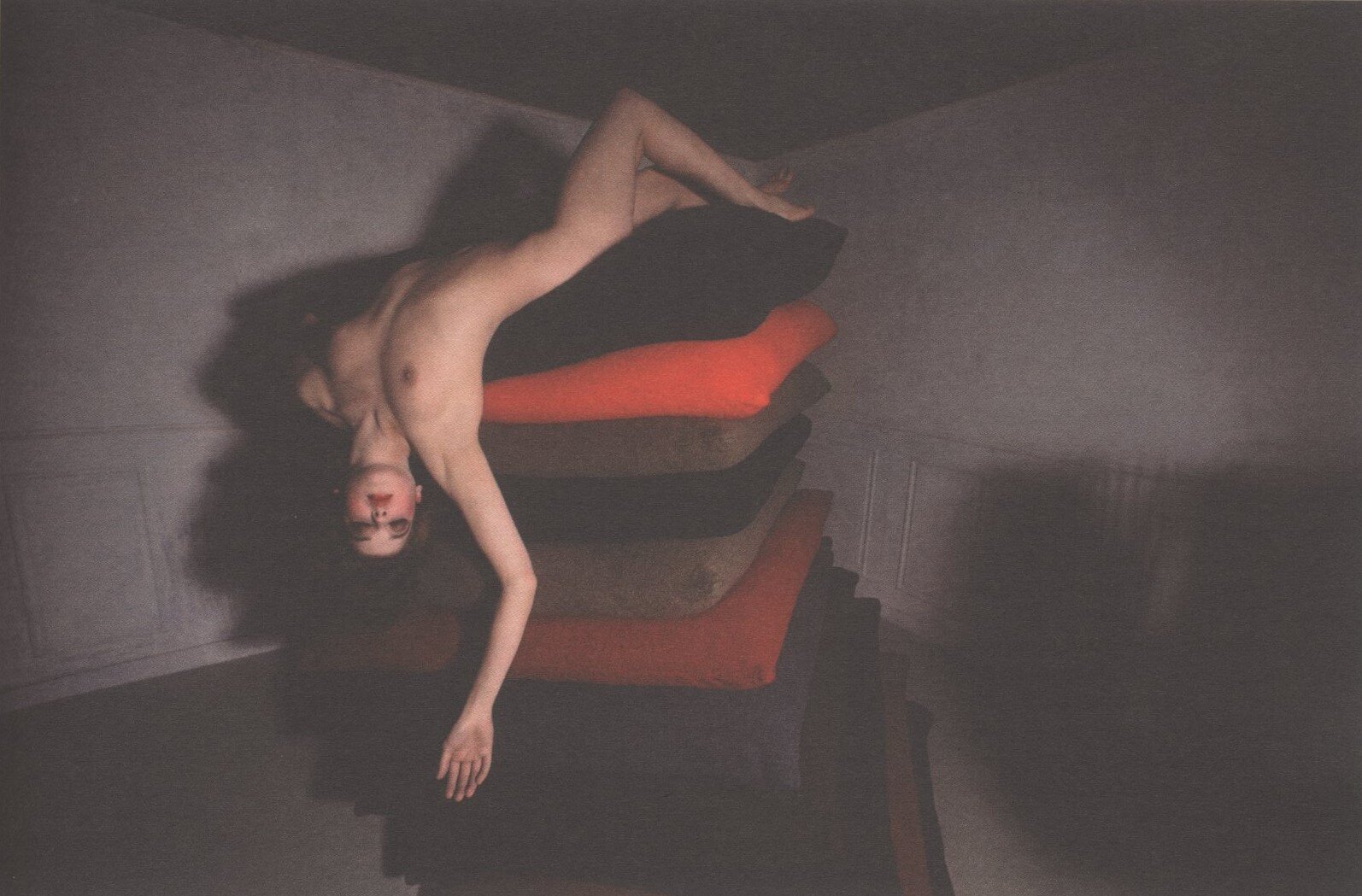
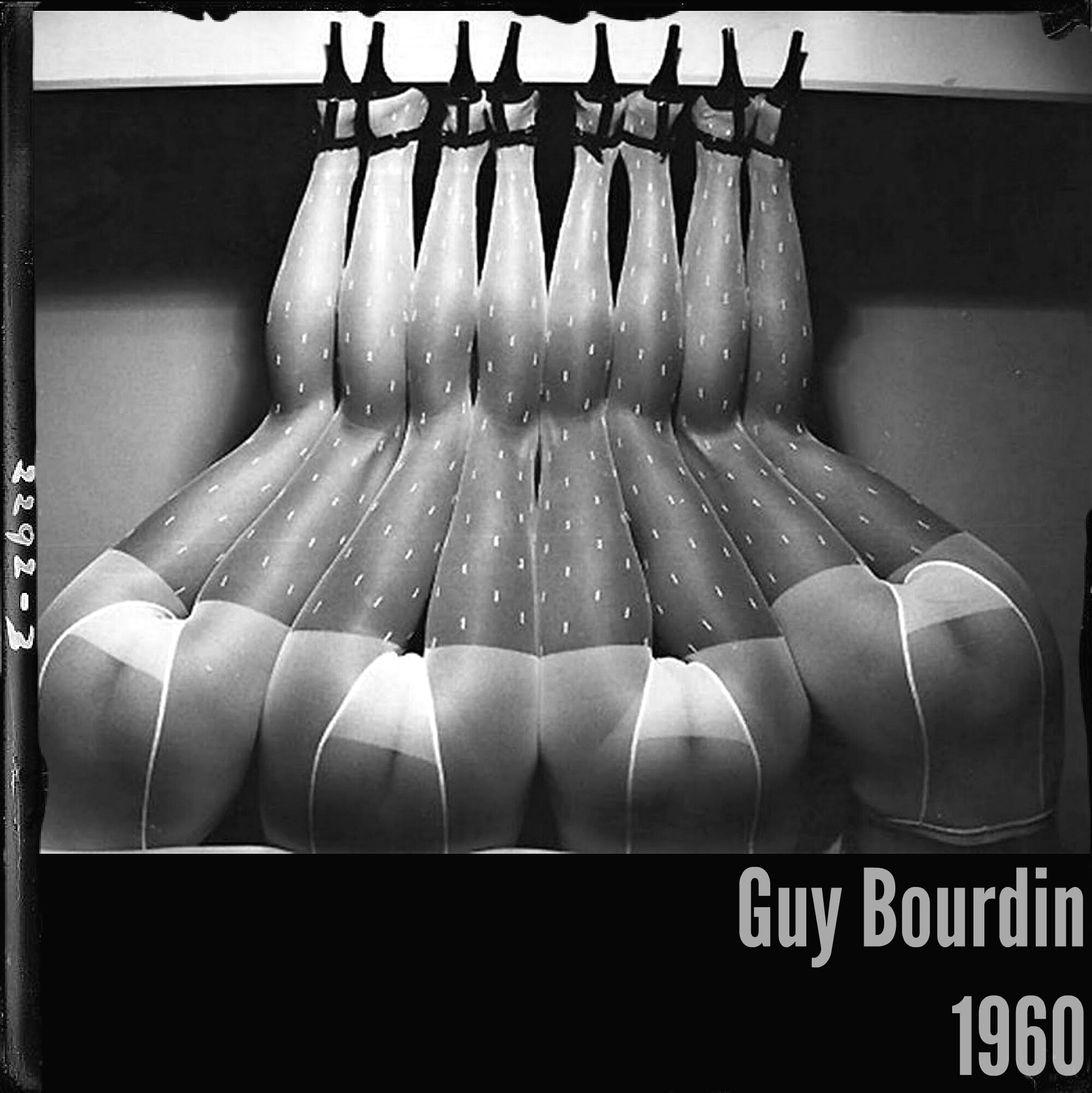
One of the radical and influential fashion photographers , Guy Bourdin was born in Paris in 1928. Abandoned by his mother , Guy Bourdin grew up with his grandmother in Normandy and Paris and was soon placed in a boarding school. During his two years in French air force military, Bourdin worked as an aerial photographer.
After military Bourdin dreamed of opening a wedding photography studio, but his father refused to loan him money. Instead he was a clerk at Bon Marche in Paris, US Embassy messenger, even washed dishes at Brasserie Lipp. 1040s Edward Weston showed Bourdin that photography could be art.
Boudin was a French Vogue contributor from 1955 until the end of 80’s. He work was bold and provocative. Boudin was an image maker, perfectionist whose images spoke stories and grab the attention of the viewer.
Today, his work can be seen at Tate in London, San Francisco Museum of Modern Art, The Tokyo Metropolitan Museum of Photography , The National Art Museum of China and Getty museum.
Bourdin is considered one of the best fashion photographers of the 20th century. He is best known for experimental photography.






MODEL LOUISE PARKER FLIPS BALENCIAGA
12 HOUR FLIGHT TO PARIS AND A HAIRCUT LATER, SHE GETS CUT FROM THE SHOW
Treat models right! That was suppose to be the behavior for this Fashion Week season. But the latest instagram post by model and photographerLouise Parker brings some questions.
Parker flew to Paris for a trial fitting for Balenciaga to be a “first option” for a “go and see,” moreover they asked to cut her hair in a short, boyish style. Parker had toaccept changes to her appearance and she did. Although Balenciaga called her agent the brand never confirmed that she would walk in the show. Thinking that the hair could mean she is in, Parker had hopes and stayed professional about it. Louise Parker ended up being cut from the show but she did not stay quiet about.
This is not the first time Balenciaga casting agents come under fire for the way they treat models. Remember Maida Gregori Boina and Rami Fernandes story and how they kept models inthe dark stairwell? As if that wasn't a lesson for them.
An open letter from Parker to Balenciaga and Kering.
“I want to begin this note by stating that I take responsibility for this situation (I chose to be a model, even after graduating from college I still chose this profession). Furthermore, after five years of working in this industry, I should have known a flight, a fitting and a haircut never guarantees anything. Lastly, I’d like to be clear and acknowledge that for the most part, I’ve been very fortunate throughout my career, have worked with amazing people and been treated very well. I understand that this story is quite insignificant as far as the rest of the world is concerned, and that right now it seems ridiculous to complain about what, at face-value, is just a long flight and a haircut. I know we all have problems, but this feeling of powerlessness and disposability is a pattern. I’m sick of it, and I know I am not the only one.
I am a 28-year-old model. We count in dog years in my profession. That basically makes me dead. Which is fine, I’m pretty much over it, but at the end of the day I do still love my job and most importantly, it pays the rent. So when my agent let me know that Balenciaga was interested in me for their show, I was really excited. Like every other job, I was wary it wouldn’t work out so I told no one but my fiancé about this opportunity. I didn’t want to jinx it. Less than two weeks before the show my agent sent them updated digitals and a video. They immediately booked me for a fitting and on Thursday I took a twelve-hour trip from Los Angeles to Paris for my appointment with Balenciaga.
On Friday at my fitting I tried on several looks and to my delight the stylist and designer found one they liked on me. After having it fit to my body, they asked me if I would cut my hair to better fit the show. I take my job seriously and I want to work — I always do my best to please my clients — so I agreed. They called my agent to ask for permission; I made sure they understood I was okay with it. It was my decision and my mistake. But in that context, it felt like an ultimatum.
They cut my hair, and I remained calm and professional while I presented the stylist with my new look. She approved and I waited for the team to pull my outfit, which had already been relocated off the floor — an indication that my look had been “validated.” Like I said, I’ve been cancelled from many shows before, even an hour leading up to one, and I’ve spent countless hours in the middle of the night at fittings for shows that end up not working out, so I understand you’re never truly confirmed until you’ve walked out onto the runway. But this felt different from those situations; I felt lead on. They photographed me in my look with my new haircut and I left feeling excited and grateful for the opportunity.
That evening, I received a message from my agent saying that they needed to cut my hair even shorter, “sort of up to her ears.” Desperate, I agreed again. It didn’t end up happening though, because the next day I didn’t hear anything. I found out, through a friend, that there was a rehearsal happening for the show within the next hour. I contacted my agent and she informed me that she had been working hard to keep me in the show but was told “she does not fit the line up.” She was pissed and I was devastated.
Like I said, I blame myself in the end; I was too eager, too willing to please. I allowed them to take advantage of my time and my body. I wanted the job, I tried to make it work, and did my best to be polite and flexible. I chose to post about this on Instagram and write about this here not because I want sympathy, or think that this is a unique situation (because it’s not, far worse things happen to models every day), but because I am tired of being treated this way. If you don’t work in the industry, it might be hard to relate, but imagine this in the context of having virtually no control over your working life, where your body and image is your currency, where you constantly feel disposable, and where you’re often left in the dark, bending to powerful clients. I know you shouldn’t bite the hand that feeds you, but reaching out through social media helped me take back some of the power and control I felt I had lost.
The industry has taken steps to make our lives better and I respect that. In Paris, before walking a show you have to visit a doctor to confirm you have a healthy BMI. Balenciaga went out of their way to be polite throughout my fitting; they had plenty of food for us and even had a therapist available to us 24/7. But I cannot help to see the hypocrisy there as I was led on to believe that these were decent, caring professionals.
Designers, stylists, casting directors, etc. need to recognize their position of power. It is not unreasonable for one to assume that after a flight, a fitting and a haircut that one is confirmed for a show. The fact that this is not the case is painful and confusing. Industry wide guidelines need to be implemented in order to provide models true clarity on these sorts of situations, especially when it comes to changing someone’s physical appearance. Why wasn’t this discussed beforehand with my agent? They knew my current hair length, why fly me all the way without telling me ahead of time? Please Balenciaga, Kering, take a more holistic approach to addressing model’s concerns by recognizing the fundamental power imbalance at play, and update your policy.
Yes life is tough, the world is on fire, I know, I just believe I deserve to be treated as professionally as I strive to be. I am not a coat hanger.”
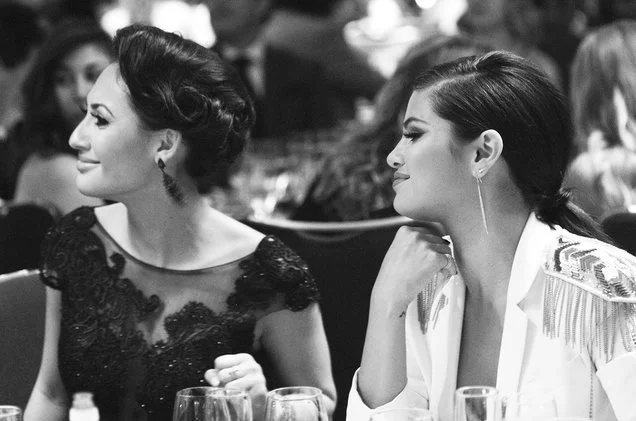
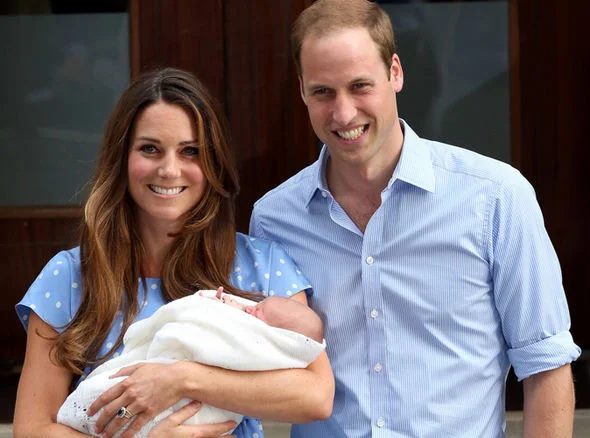
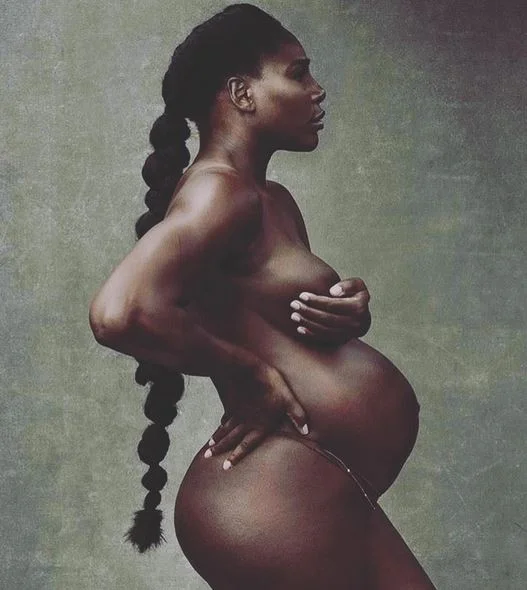

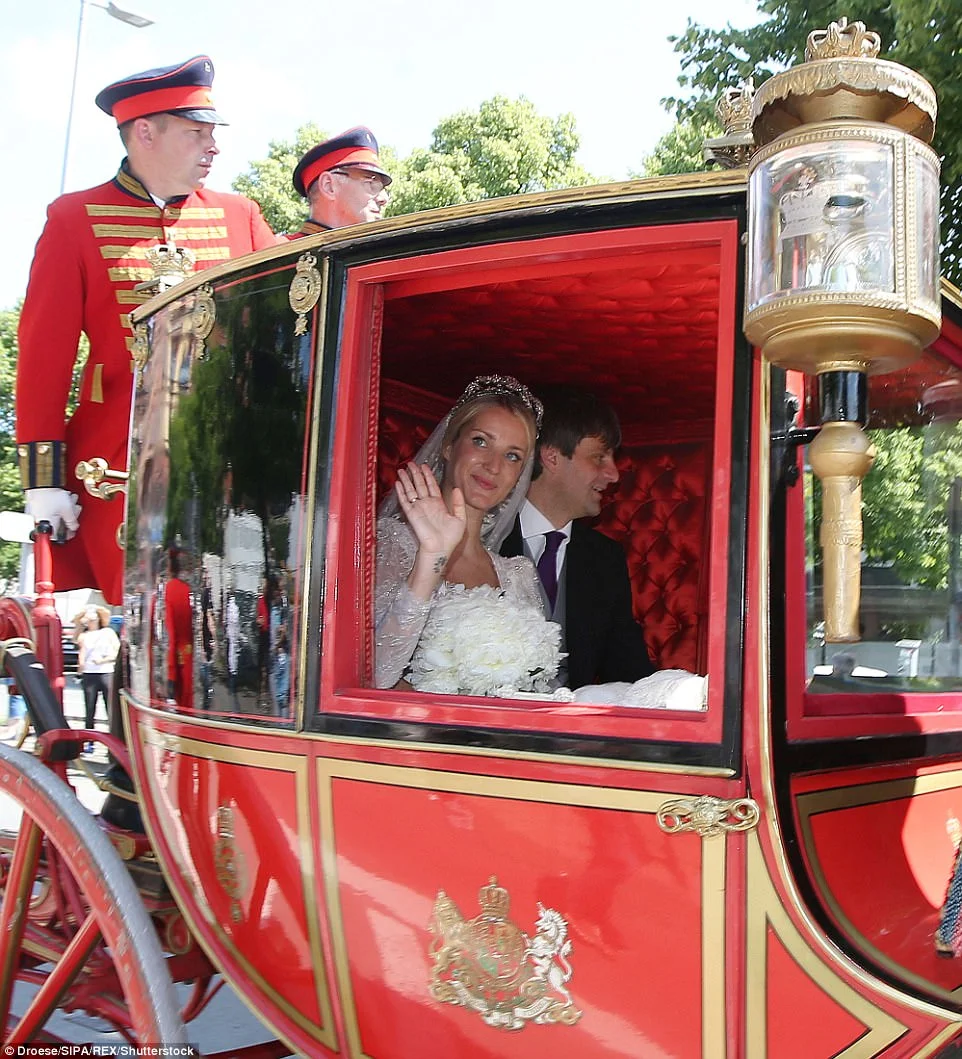
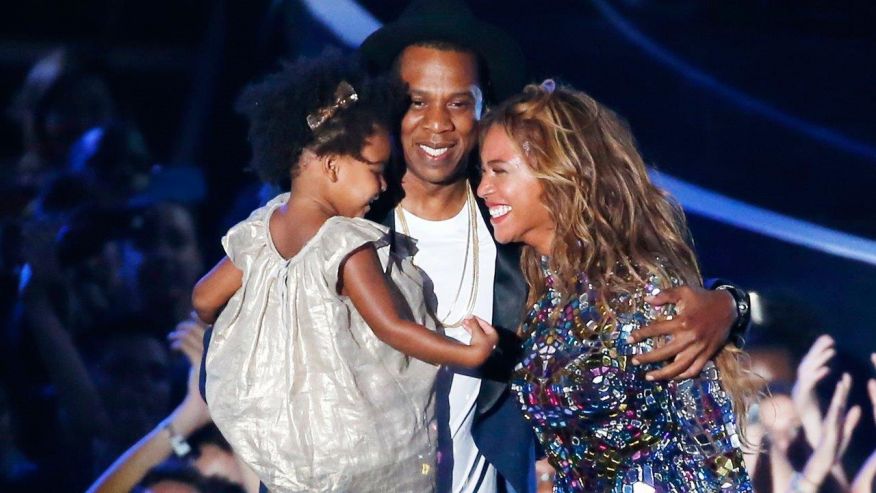






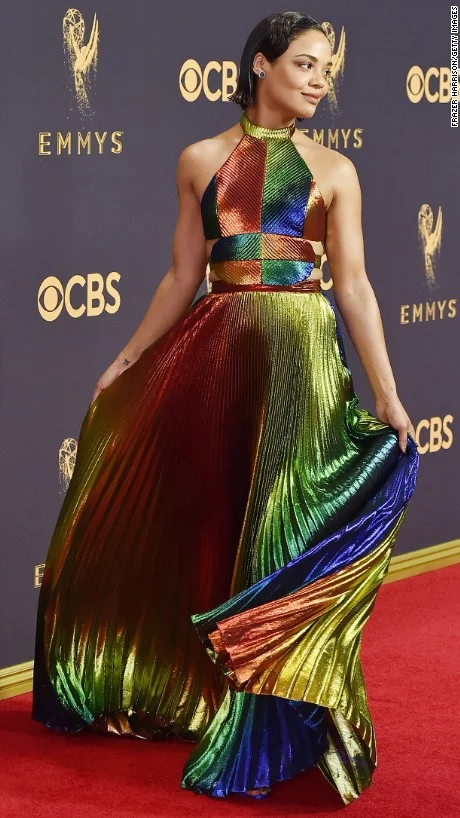
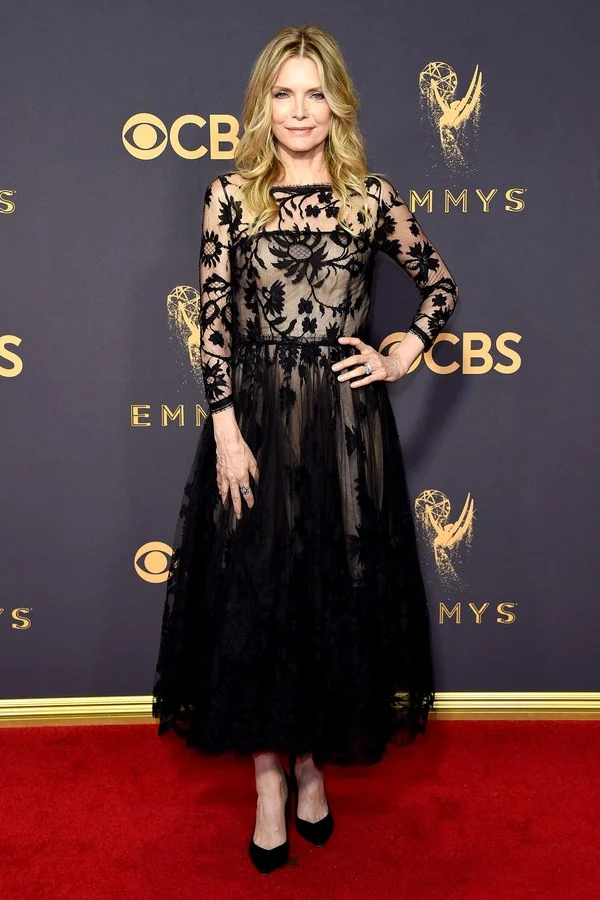
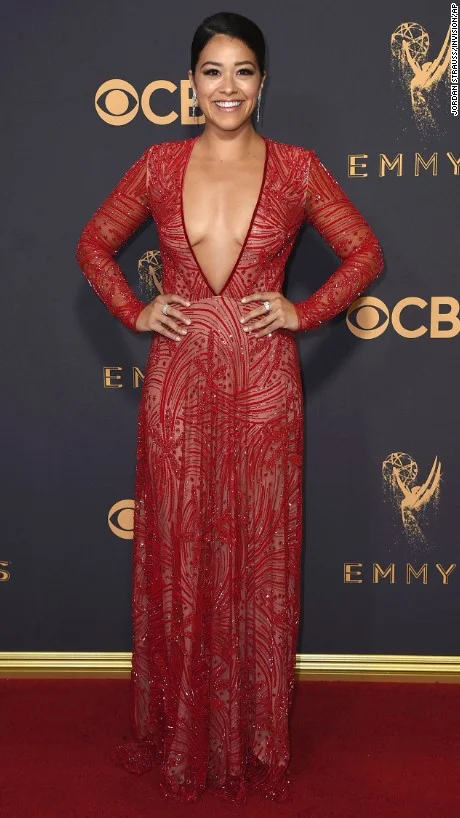
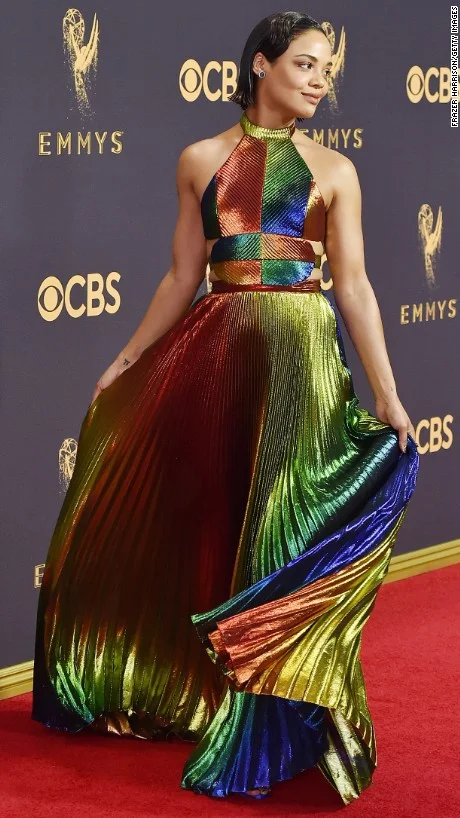
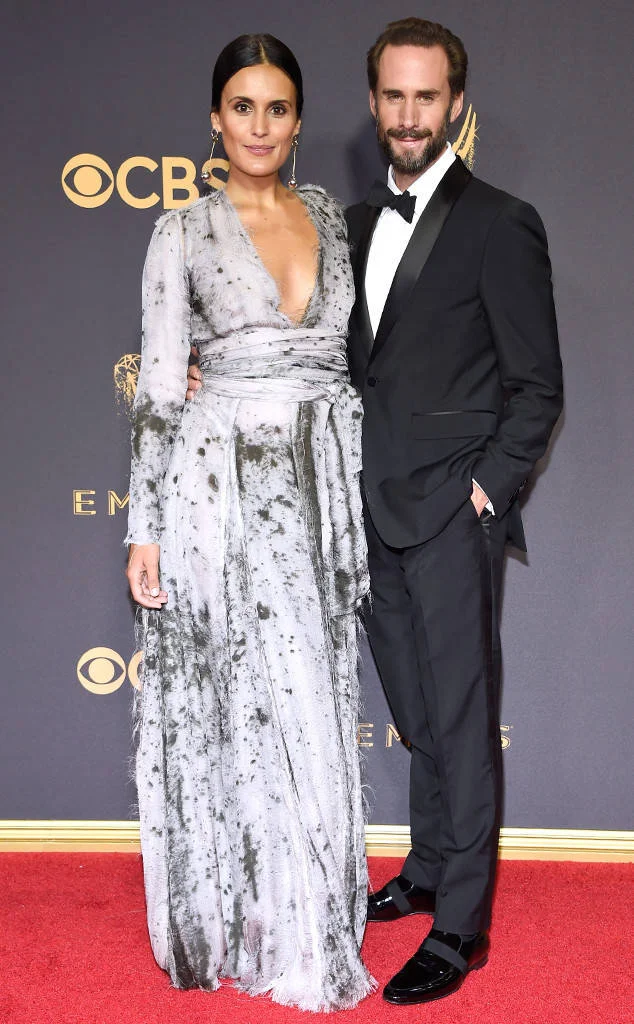
JOLIEGAZETTE'S FAVORITE EMMY 2017 RED CARPET LOOKS
.
The 69th Primetime Emmy Awards, hosted by Stephen Colbert, aired Sunday on CBS. The night belonged to "Big Little Lies" and "The Handmaid's Tale," both shows taking home five awards. HBO's "Lies" took home awards for best directing, outstanding limited series, supporting actor, supporting actress and lead actress for a limited series, movie or dramatic special. Let's take a look at the best red carpet style.
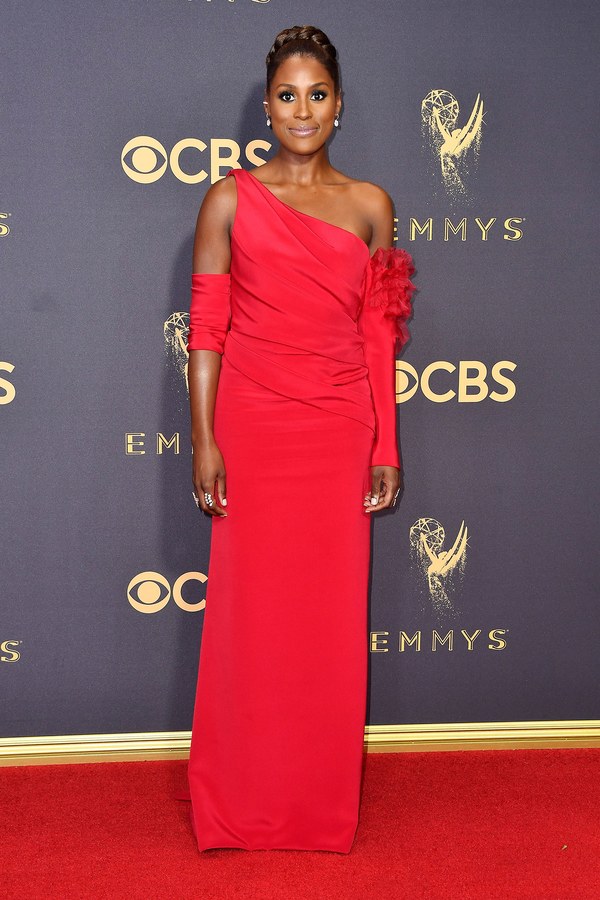



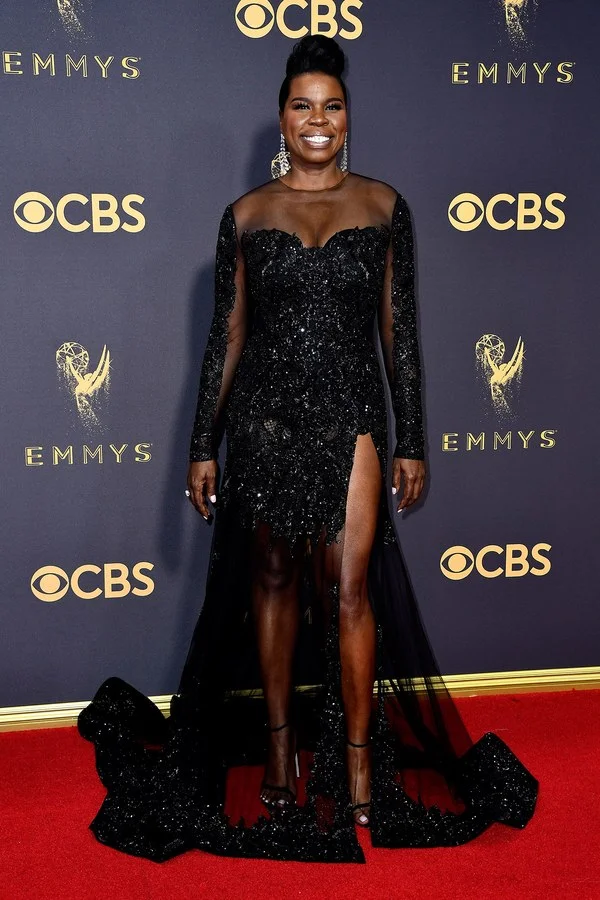
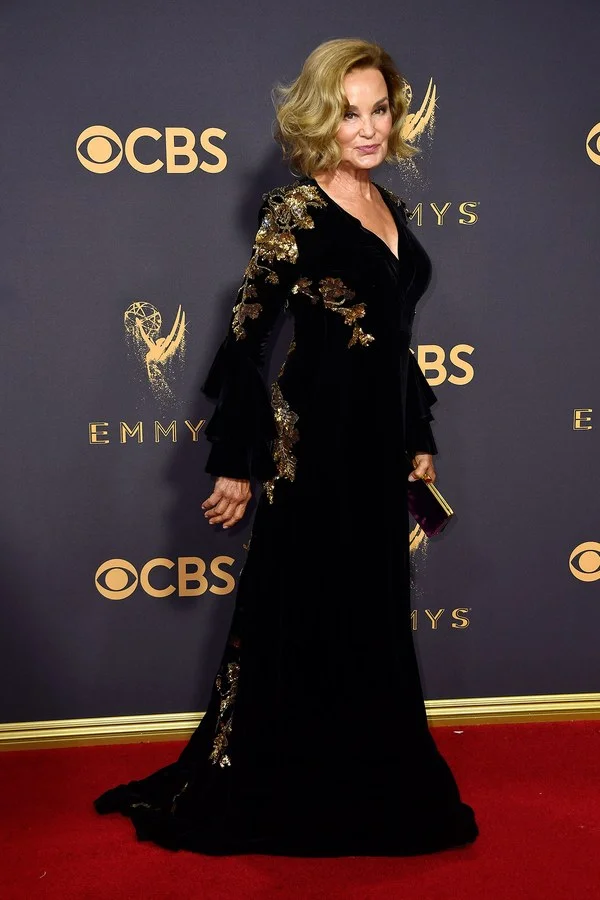


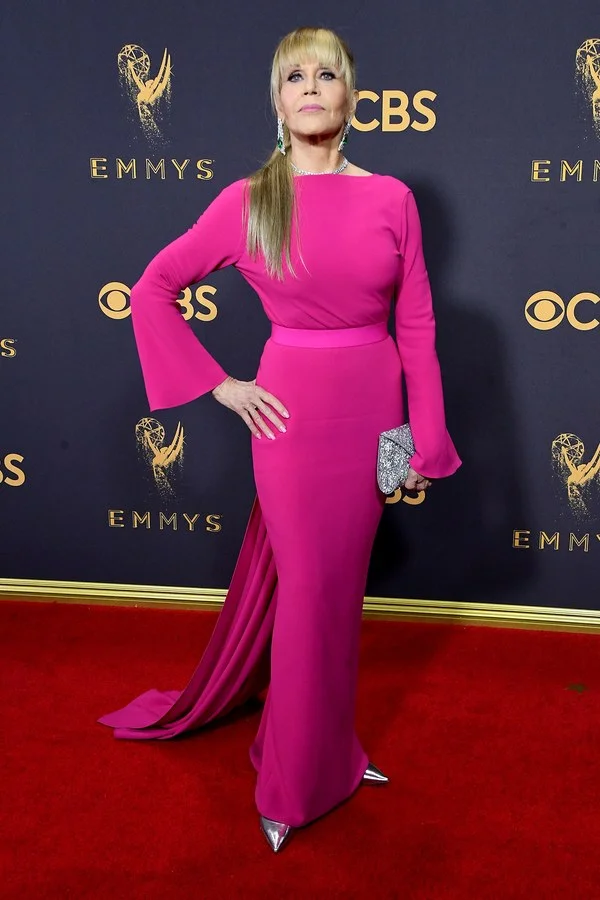


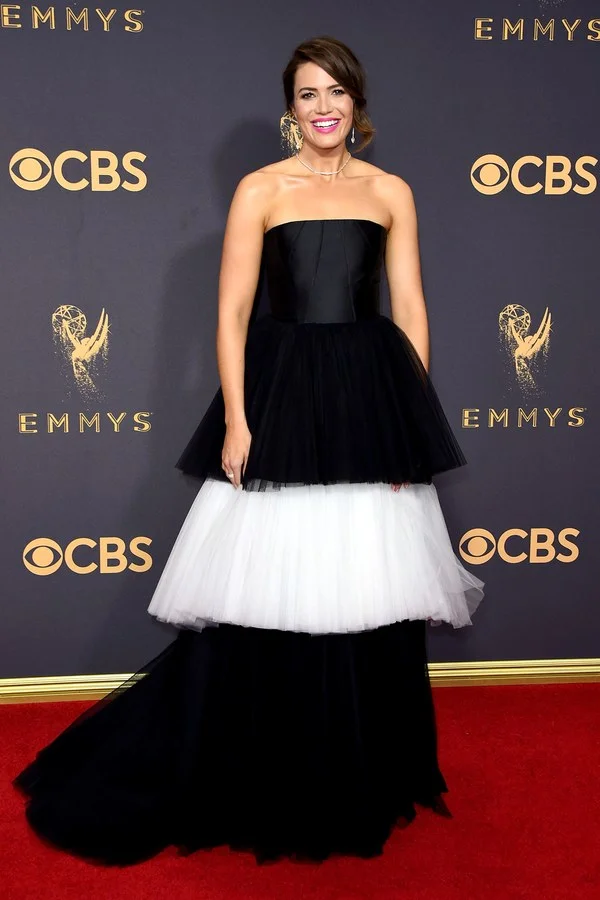

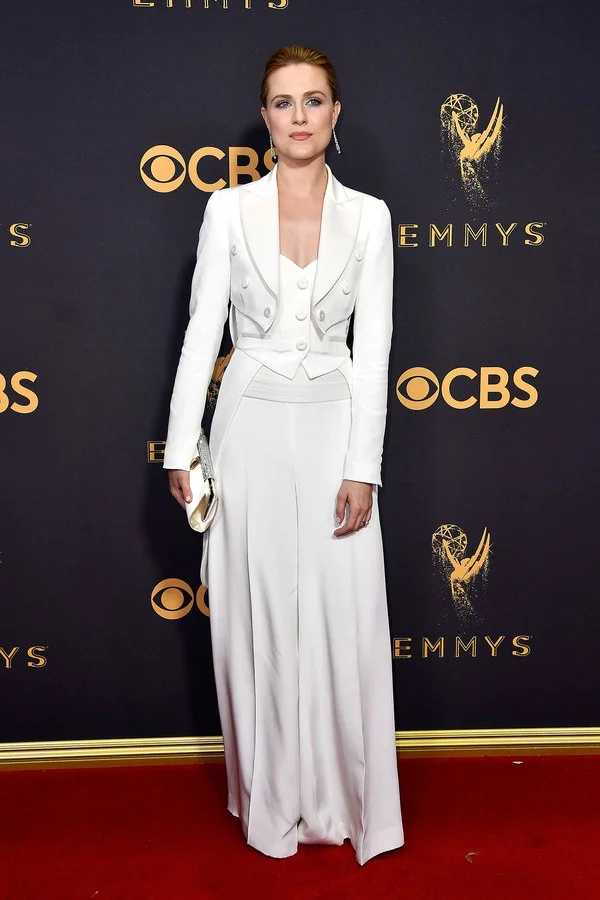











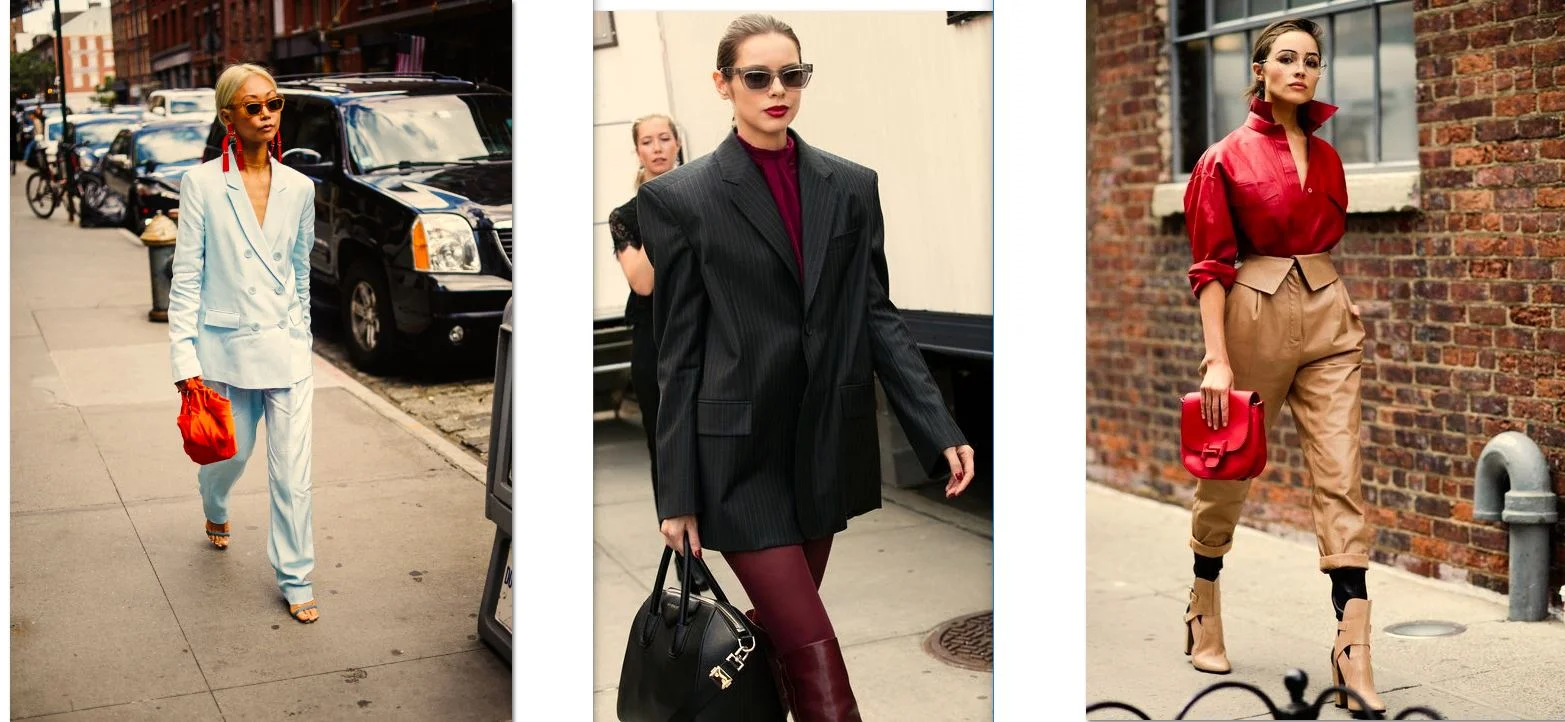
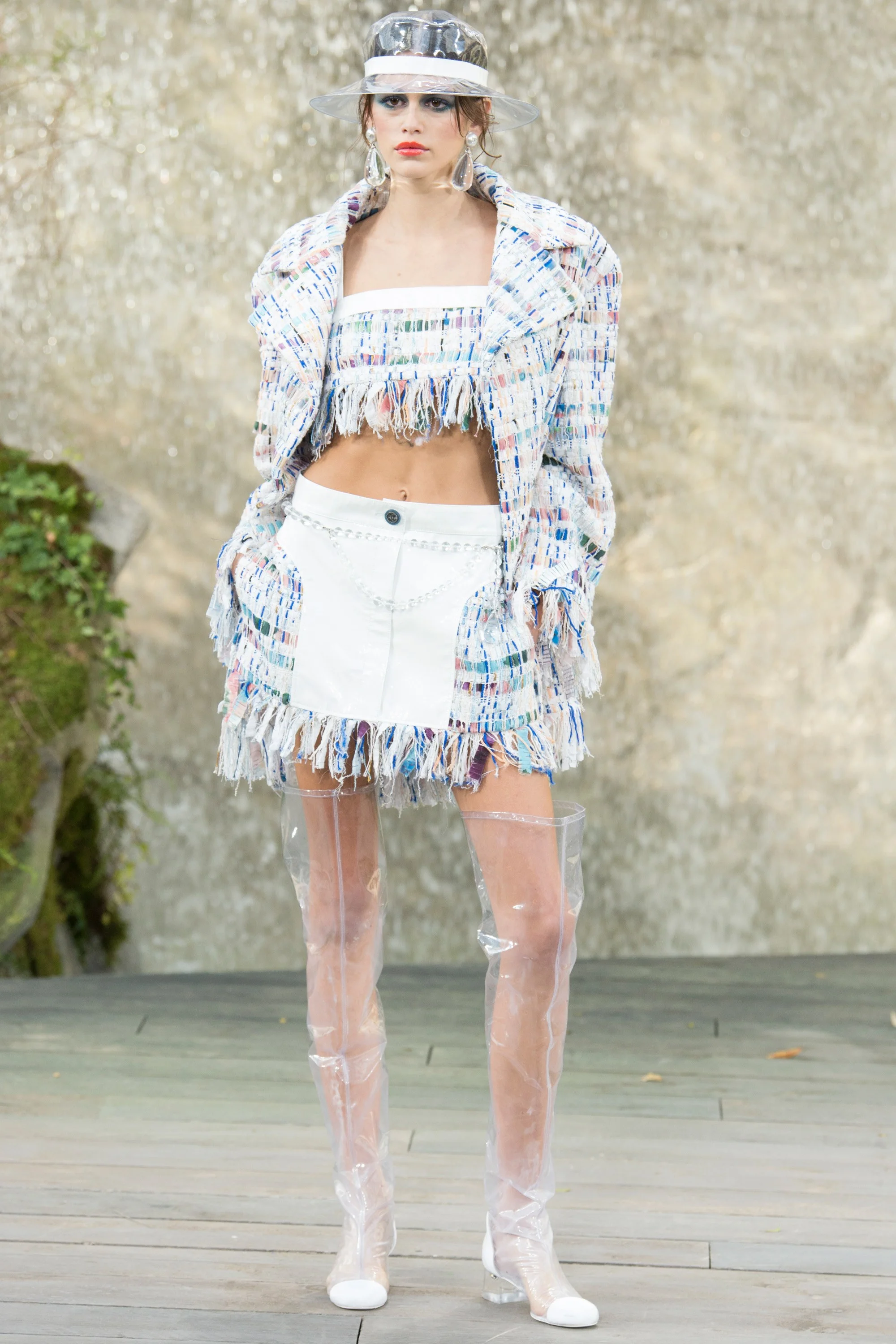
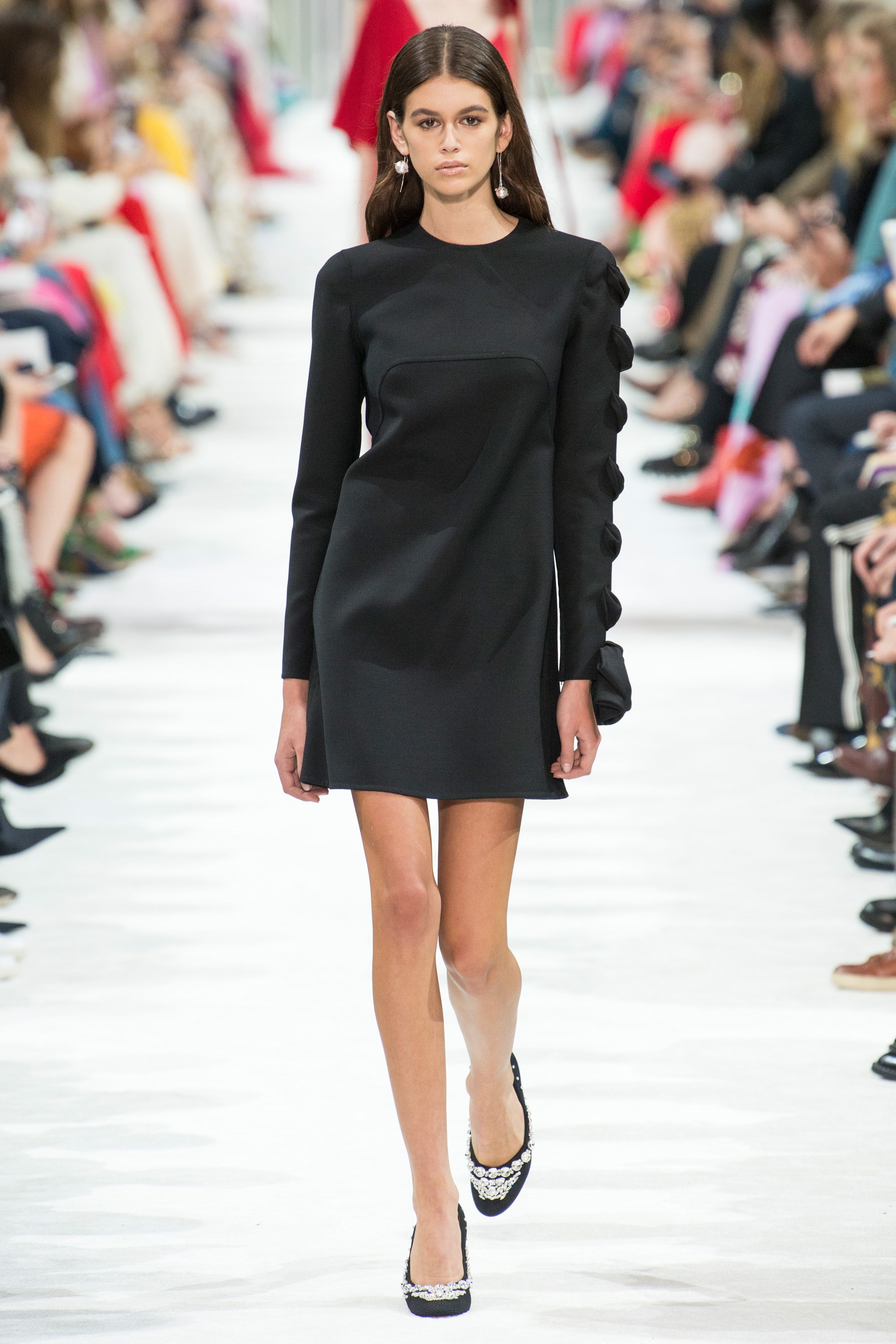
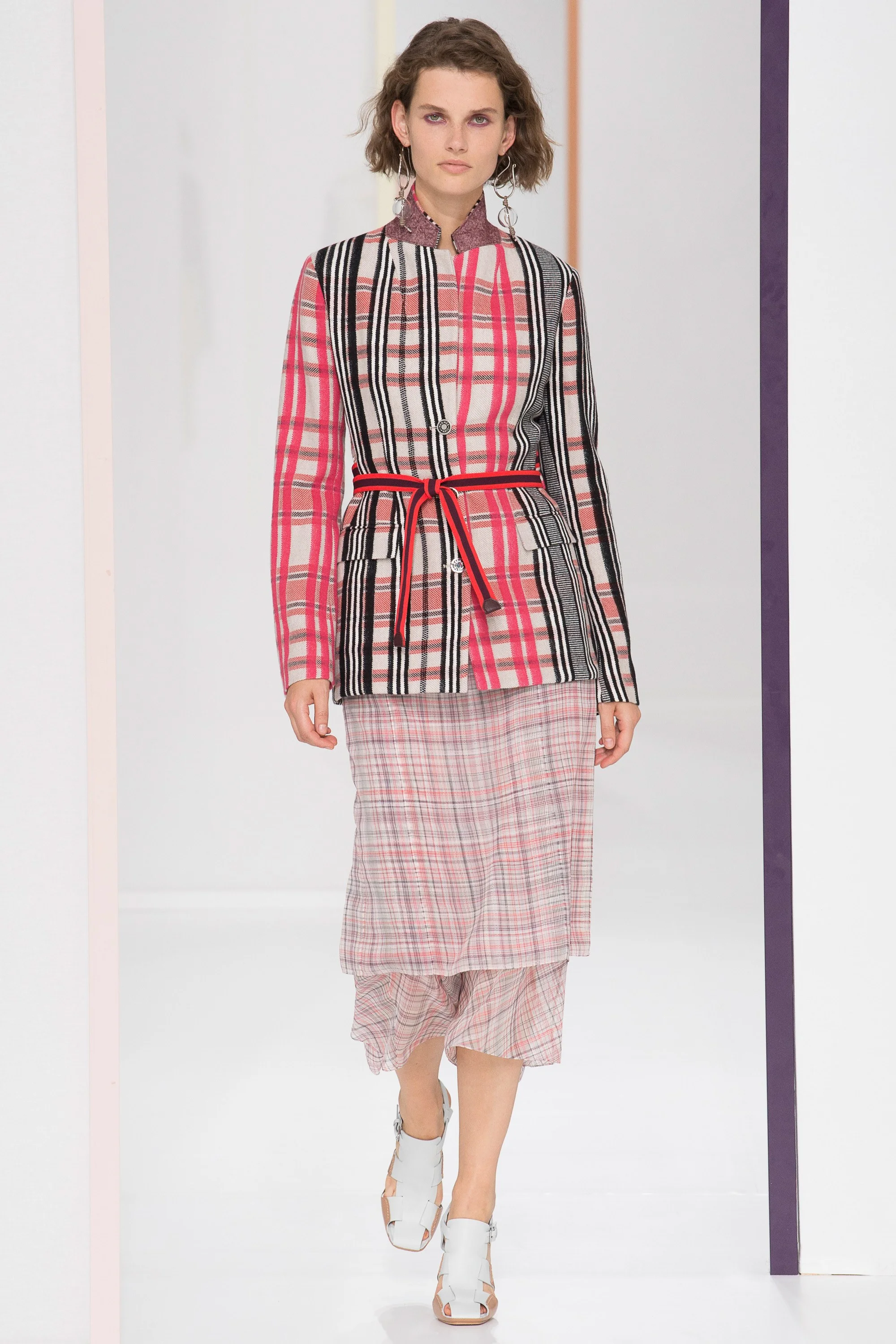
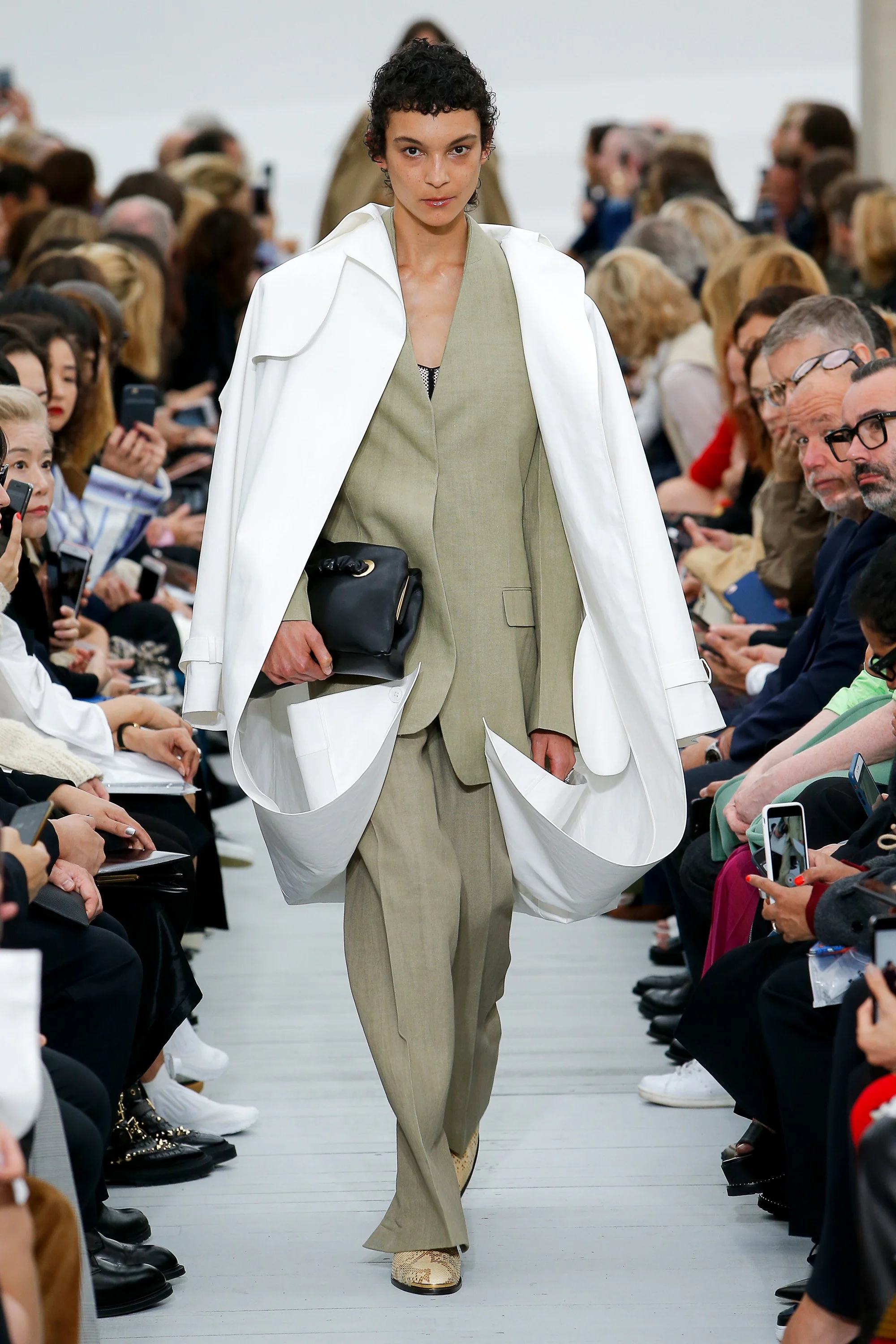
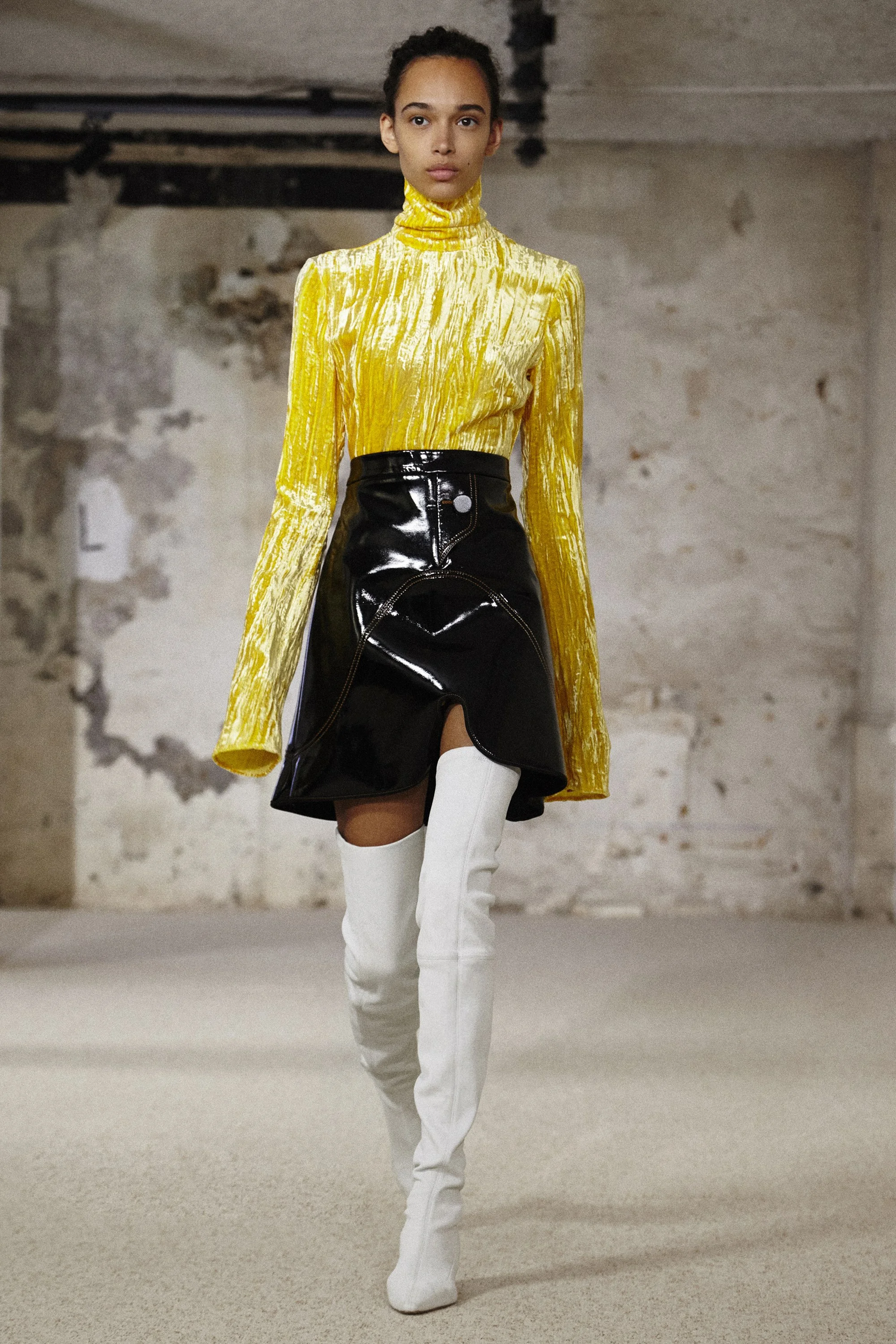
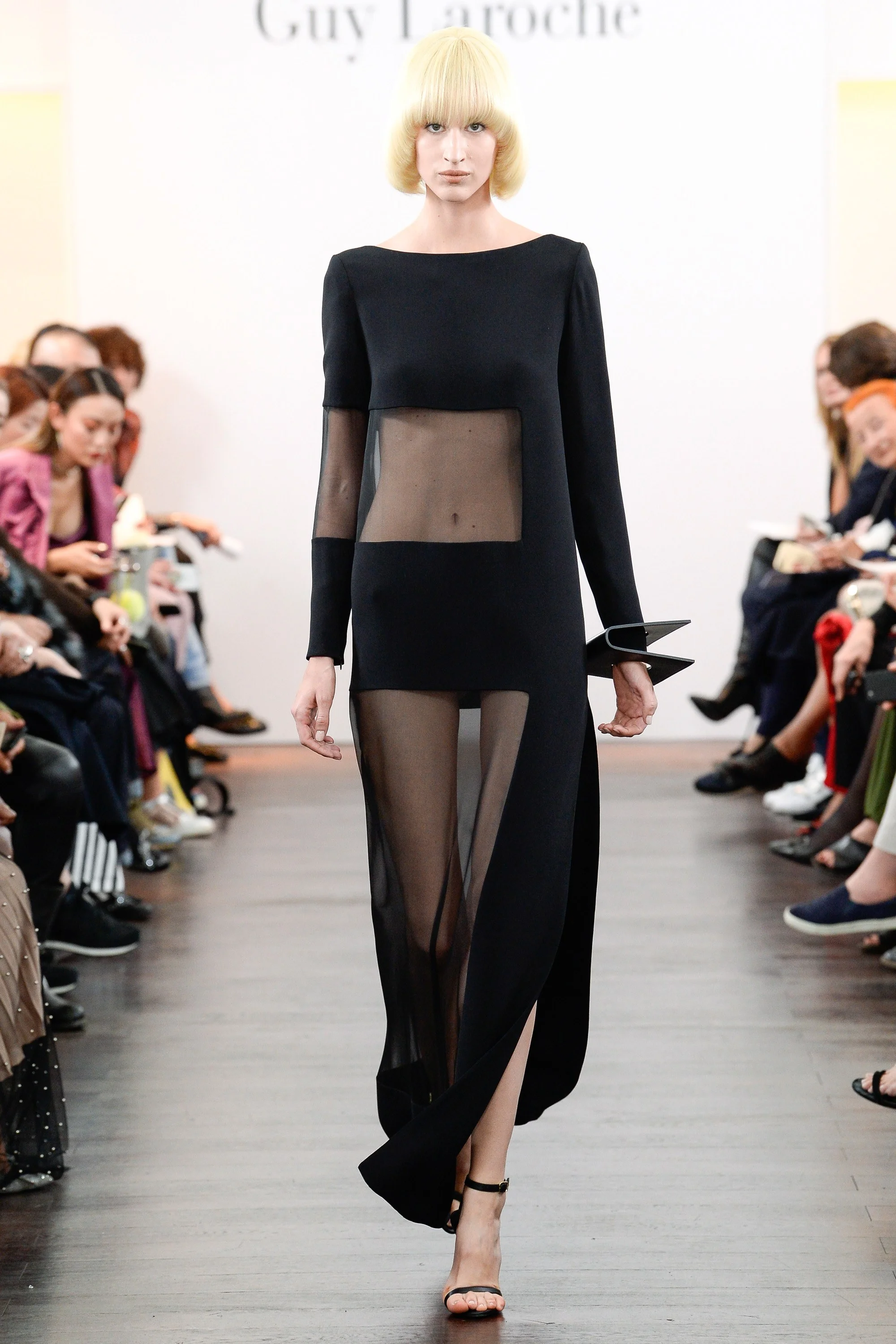
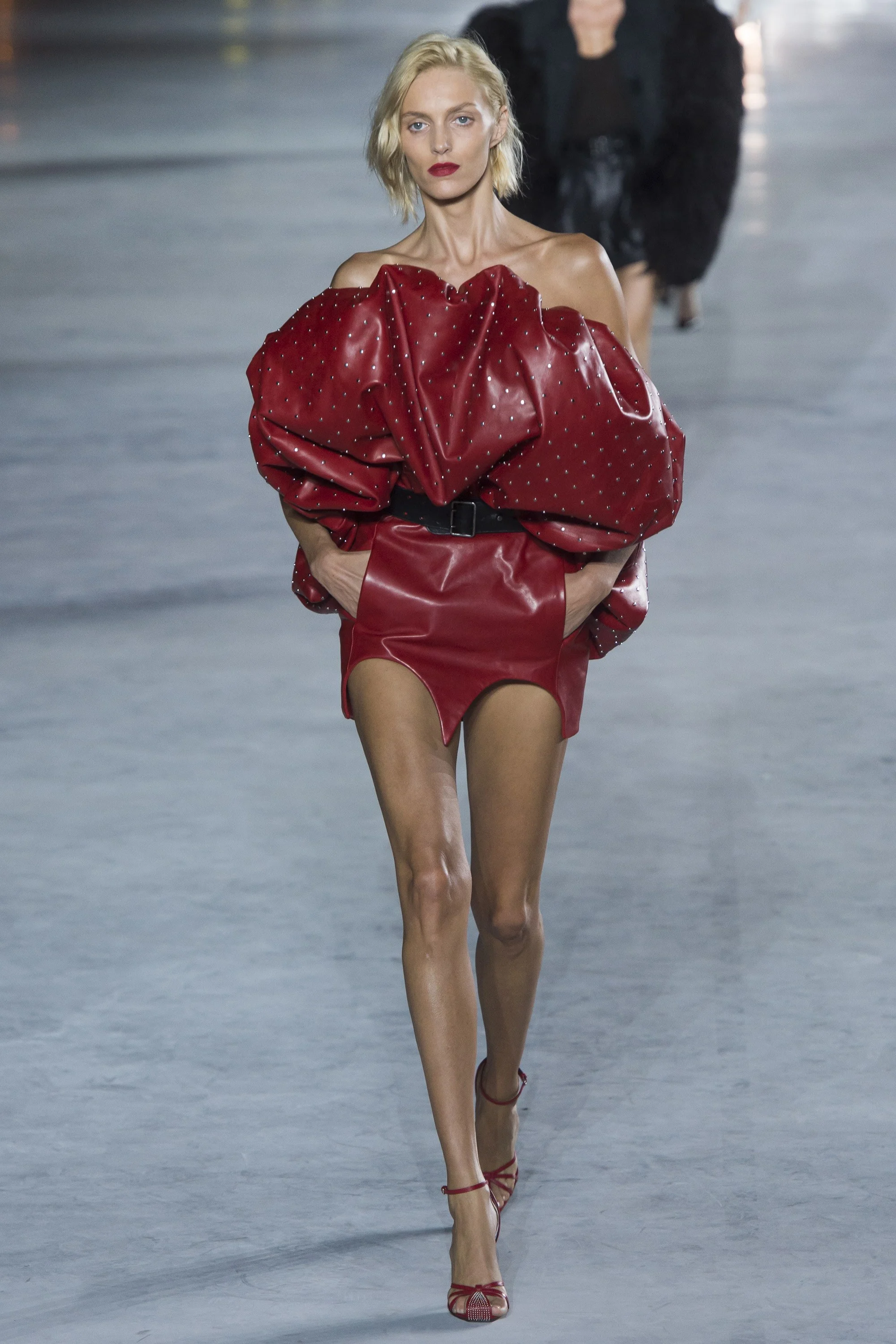
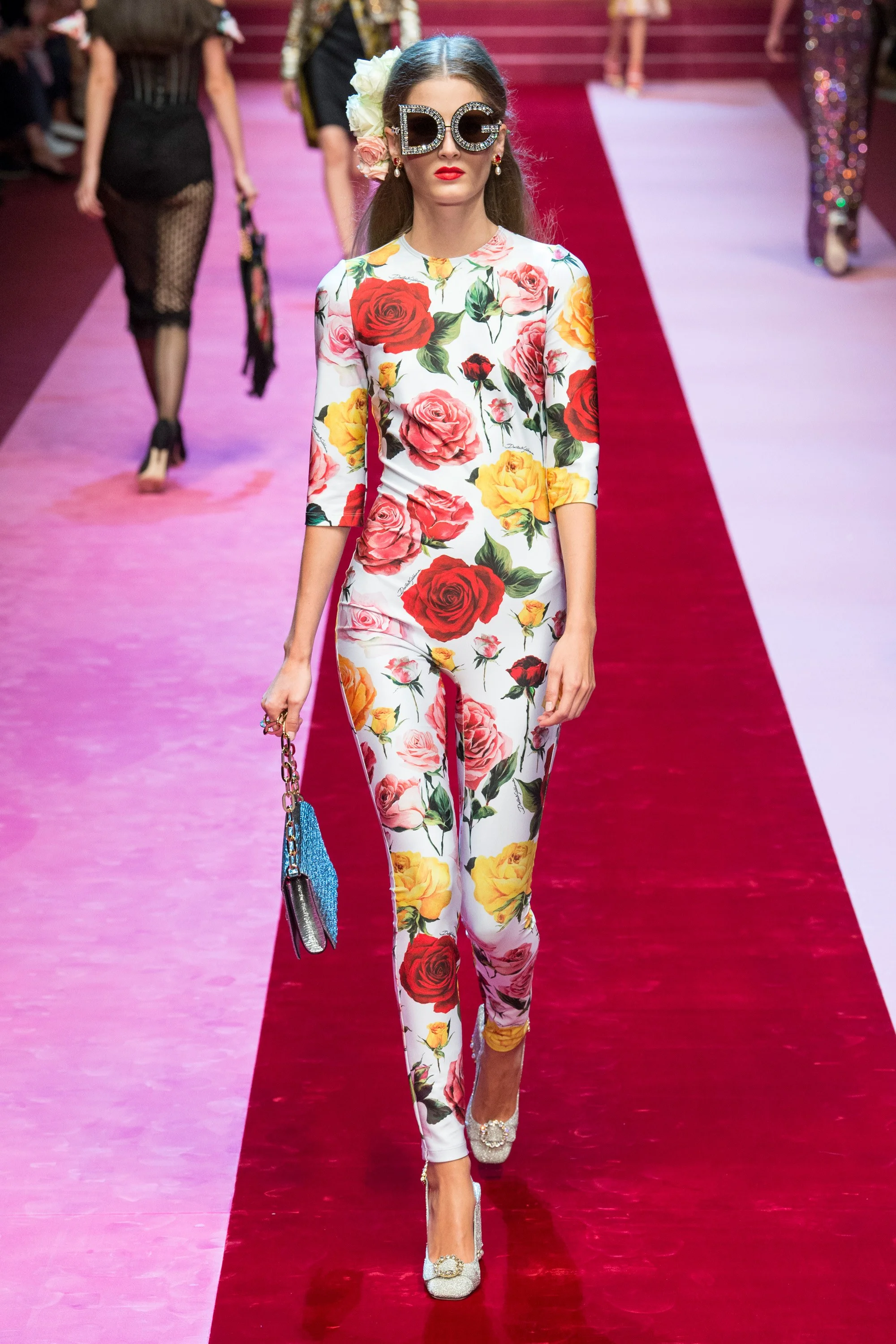
NYFW STREETSTYLE HOW TO AND WHERE TO
SEE IT, BUY IT
The best style is not always on the runway, but on the streets. So you've seen the look on her and you die to know where she's got it from or how to put together a similar look. We're here to make it easy for you. See the look and build the look with the help of Joliegazette editors.

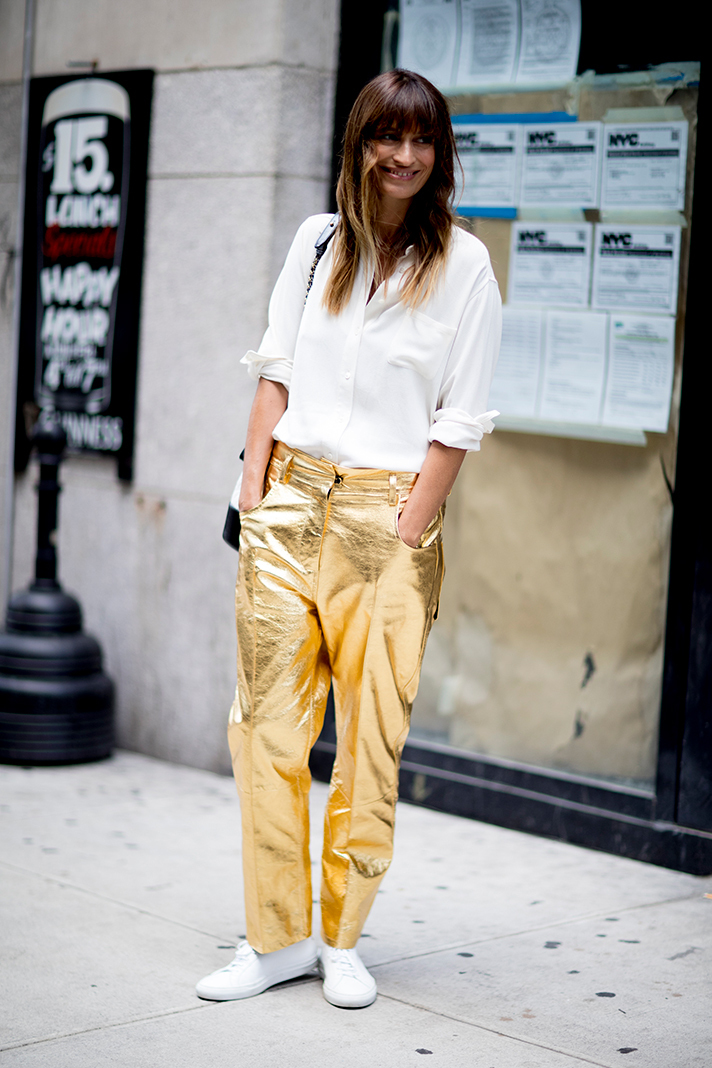


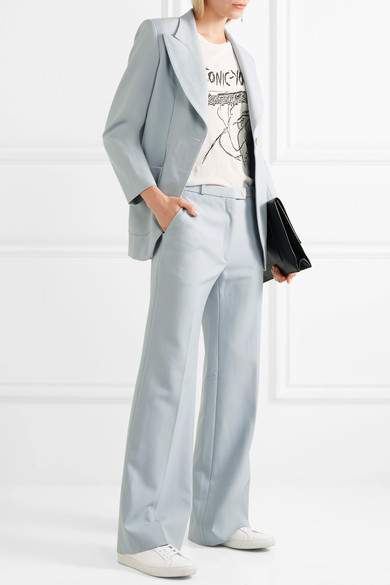


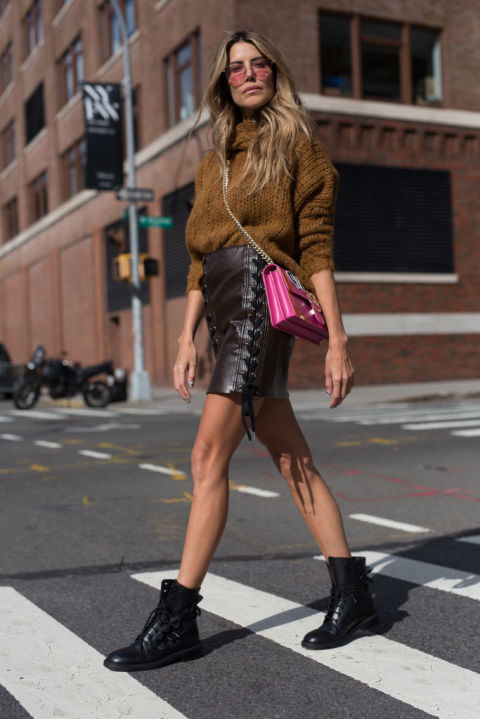


SHOP MODA OPERANDI


FASHION HISTORY: AENNE BURDA
SELFMADE WOMAN
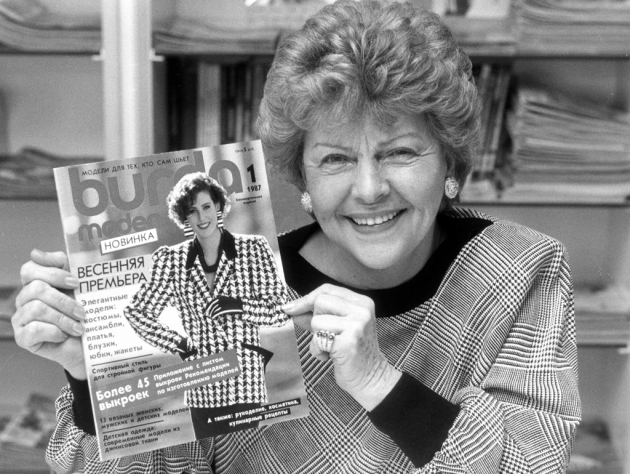
July 28 marks the 107th anniversary of the birth of a woman whose name is known all over the world, all thanks to the famous fashion magazine Burda moden. Ring a bell?
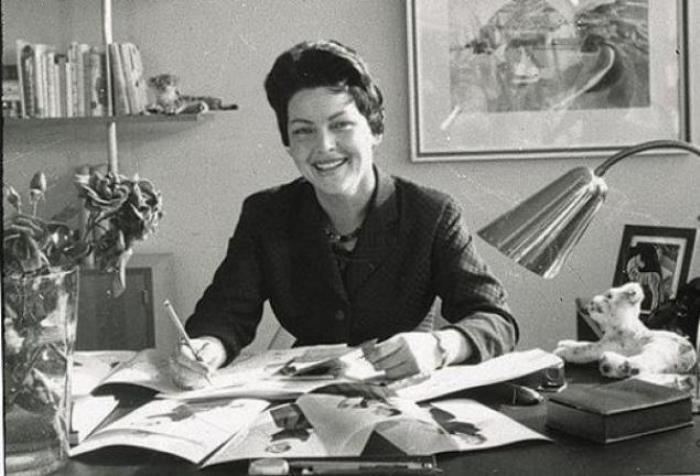
Aenne Burda.
Anne Burda, an idle German housewife, helped ordinary women with modest incomes look elegant and stylish. She made herself and invited everyone to try the same: the magazine was accompanied by quality patterns for women to sew their own clothes.
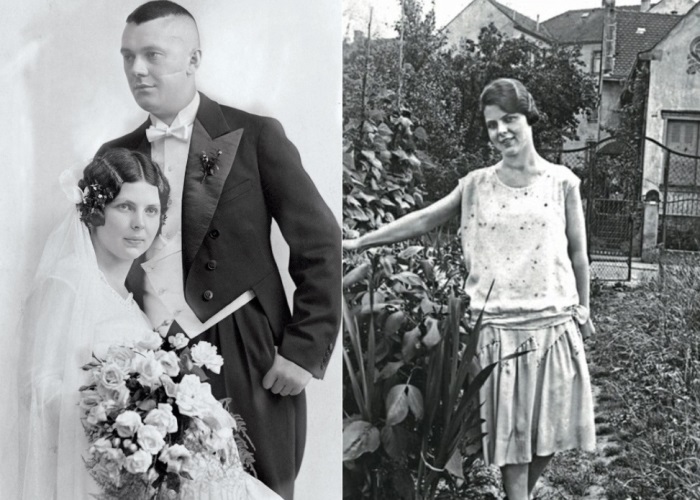
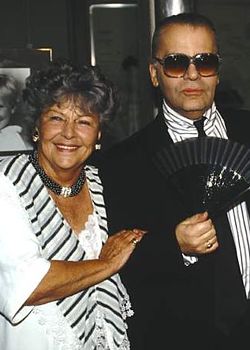
Aenne Burda and her husband.
The magazine was appreciated for the availability and accuracy of the patterns, which could easily be transferred to the fabric. Burda modern opened up a large space for independent creativity: using the ideas of a fashion magazine that women could modify.
Aenne Magdalena Lemminger was born in a German provincial town in 1909. She married the owner of the printing shops Franz Burdu and gave birth to three children. By Western standards, the family's income was modest, although she could afford to hire a nanny and a housekeeper. She spent 25 years being a housewive and taking care of the children. Perhaps it would have lasted longer, if not for one case which abruptly changed her life.
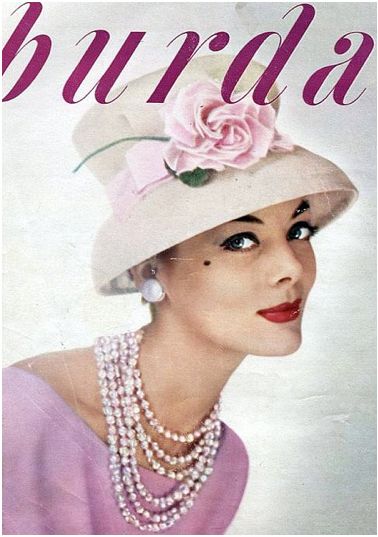
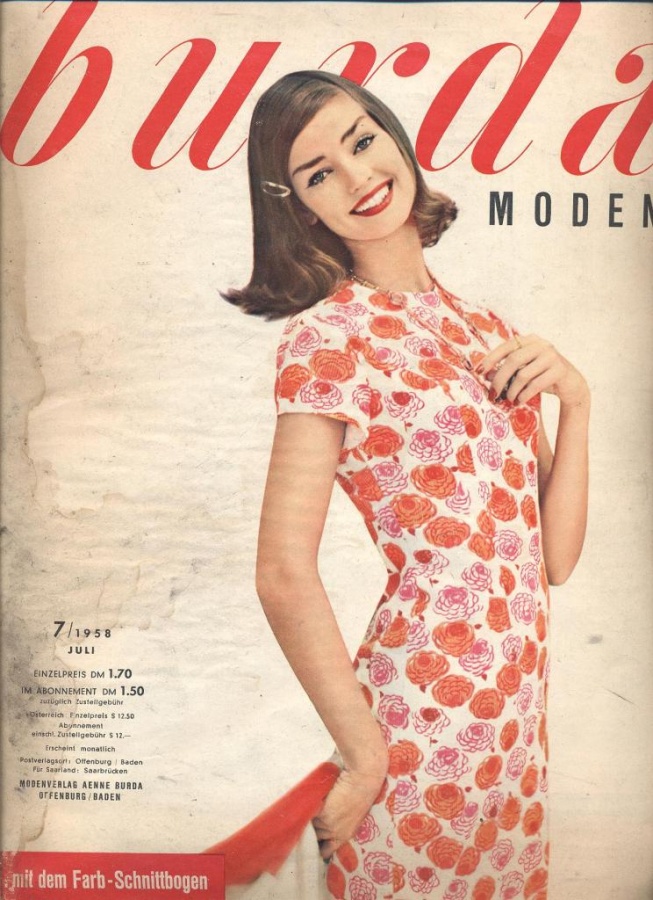
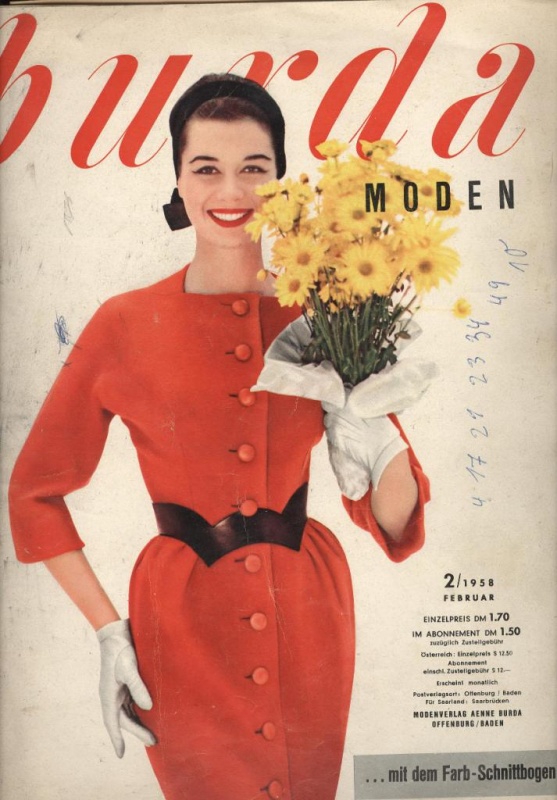
At 40, Aenne found out that her husband had been cheating with his secretary for a long time and that she had child. On top of all her husband gave his mistress one of the printing shops and the fashion magazine Effi Moden. But with the help of a lawyer Aenne took the magazine from her husband's mistress and became the head of it. At that time, magazine did not bring income and was not popular. The new concept was quite simple: comfortable and elegant outfits, quality patterns, recipes and tips for improving the home. The magazine was designed for ordinary women with an average income level. Aenne did not blindly followed fashion trends, she was searching for her own style.

Aenne Burda.
The first issue was published in 1950. In the postwar period, women in Germany dreamed of inexpensive, comfortable to wear and beautiful clothes, and already in the first six months the magazine circulation grew from 100 thousand to 500 thousand copies. Aenne wisely forgave her husband, who later became a junior partner in her business, and the magazine received a family name. What's interesting Aenne herself was not fond of sewing, nor of other women's hobbies . She only loved to cook.
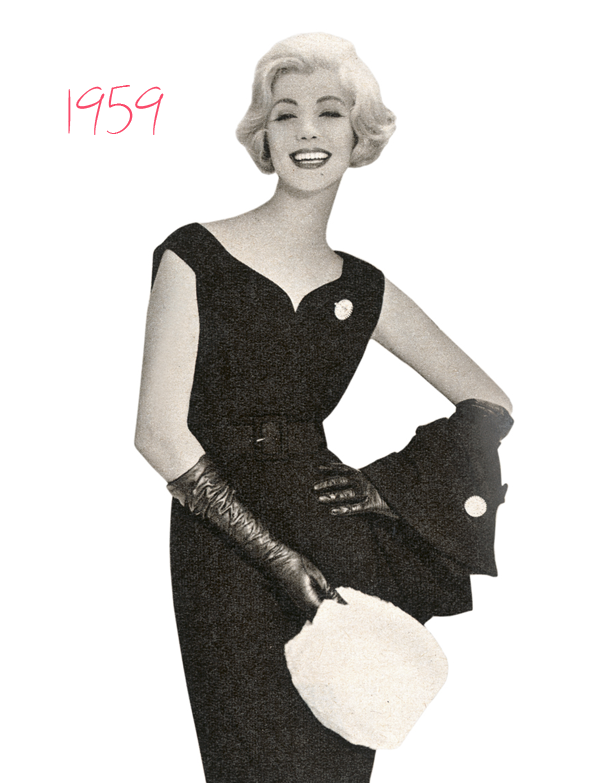
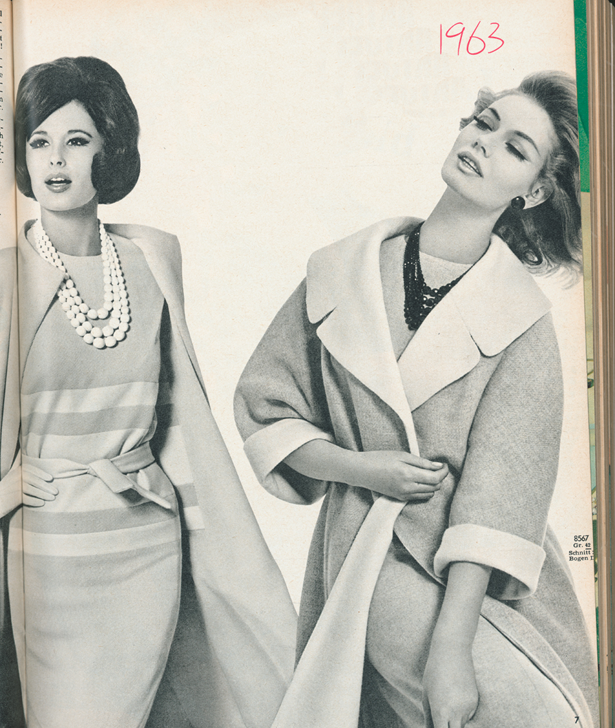
Aenne Burda attended Paris and Milan fashion shows, and then adapted new ideas for her magazine. Until the age of 87, she ran the business on her own, and after her mother's death in 2005, her younger son Hubert inherited the fashion empire.
The hometown of Aenne - Offenburg - is called jokingly by Burdapesht, and one of its streets received its name. Today the magazine does not enjoy the same incredible popularity as it did in the 20th century, but continues to exist.


FASHION HISTORY: CARLA FENDI
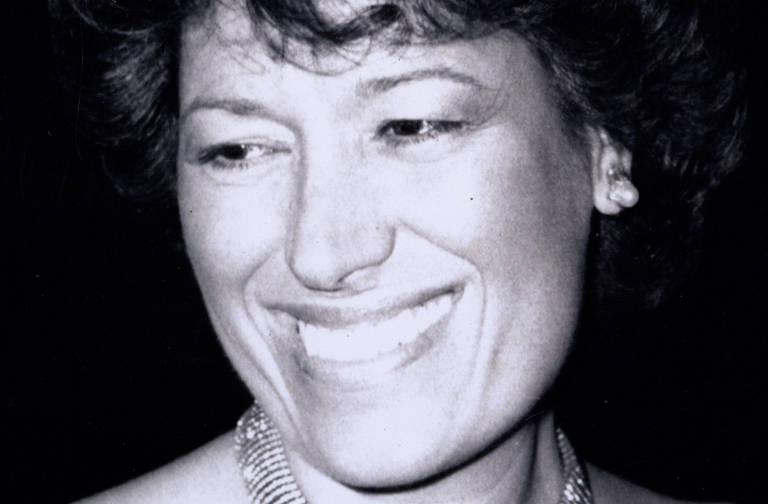
One of five sisters inheriting a small Roman leather goods workshop and later transforming it into a luxury powerhouse was Carla Fendi. She died on Monday at the age of 79. The house of Fendi announced her death but did not specify the cause.
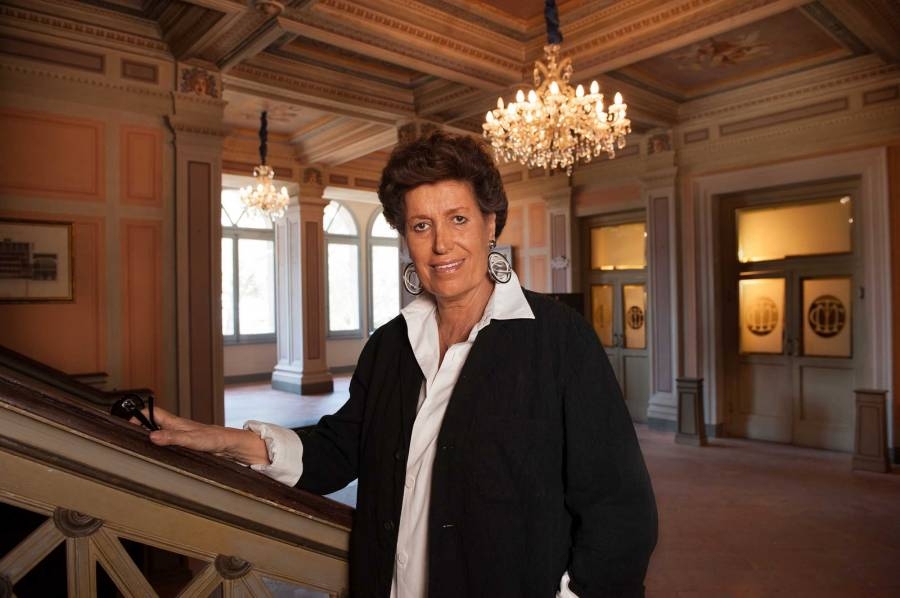
Fourth in the line of Fendi sisters, after having completed her classical studies in the late ‘50s, while she was still young, Carla Fendi entered the family business to work alongside her sisters: Paola, Anna, Franca and subsequently Alda. The start of her career included training in various fields, from administration and production all the way through to sales and design alongside her sisters and Karl Lagerfeld. At the same time, as early as the ‘60s, she dedicated herself to public relations, focusing primarily and strategically on the most difficult market: the USA. The success achieved in this market immediately pushed the brand to important new levels across the world. With the growth and development of the brand, whilst still collaborating on the design aspect, Carla Fendi took charge of the Communications of the brand, which included the Press Office, Advertising, Brand Image and Events.
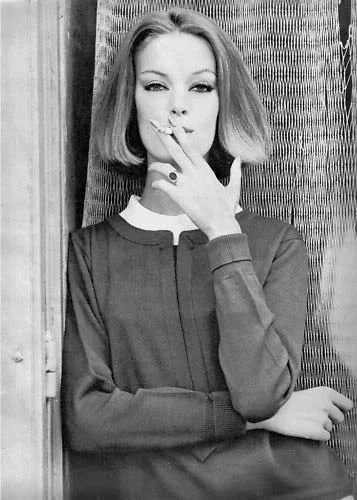
Nena von Schlebrügge- Supermodel, Mother of Uma Thurman
In anticipation of Mother's Day
In this family noble beauty is transmitted from generation to generation. Uma Thurman was named after a Hindu goddess and inherited a refined grace from her ancestors. Her grandmother Birgit Holmqvist posed nude for the famous sculptor Axel Ebbe for the statue of "Embrace," depicting a nude diva. Nowadays, this beautiful 1930s statue meets ships in the port of a small cape at the southernmost point of the Scandinavian Peninsula. Uma's mother, Nena von Schlebrügge, was a supermodel and actress in 50-60s.
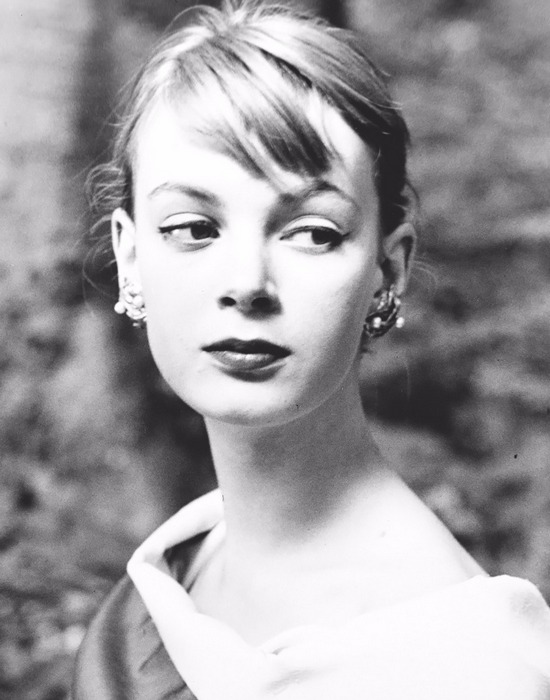
Brigitte Caroline, was born in Mexico in the family of the Swedish beauty Birgit Holmqvist and the German aristocrat Friedrich Karl von Schlebrugge. People close to her, called her Nena. Her beautiful looks she inherited from her mother, from her father - an aristocratic charm. In the mid-fifties, the famous photographer of Vogue went on business to the Swedish capital, where he accidentally saw Nenu. She was only 14 years old. This meeting marked the beginning of the model career for Nena. Few years later, Nena was invited to London, where she became one of the stars in the world of haute couture. Her popularity soared very quickly, the Swedish beauty signed a contract with the American Ford Models agency. She worked with the magazines like Vogue and Harper's Bazaar, she collaborated with best photographers: Norman Parkinson, Richard Avedon, Bert Stern and William Klein.

The refined beauty of Nena inspired many photographers and contemporary artists. It is said that the girl became a muse for the great Salvador Dali, who in 1963 introduced the already well-known beauty to the time with the psychiatrist Timothy Leary, who became famous for his work in the field of psychedelics on the nervous system. The marriage of Timothy and Nena took place in the cottage of billionaire William Hitchcock, who kindly provided his apartment to a psychiatric friend.
The wedding ceremony was rather erratic, - it was captured in a black and white film by the documentary writer Peennebaker. But even here Nena appears before the viewers as Venus, descended from the canvases of Botticelli, fragile, tender and feminine.
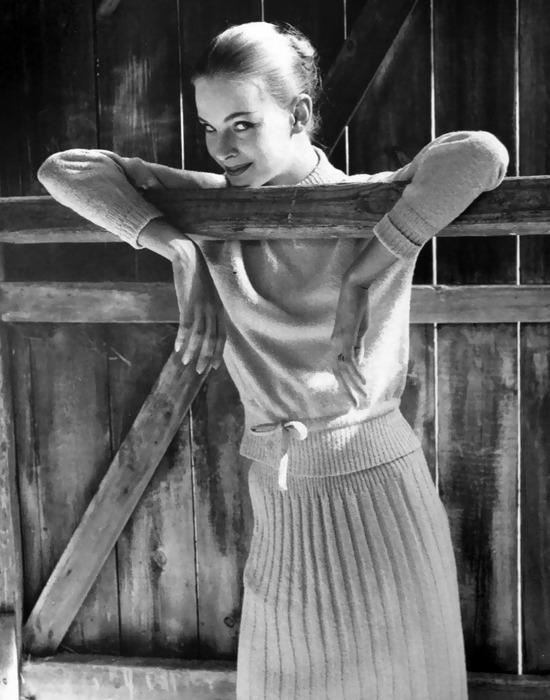
In 1965, Nena filed for divorce, and two years later remarried. Her chosen one was Robert Thurman, the first American to be tonsured in Buddhist monks personally by the Dalai Lama. It was a marriage consecrated by someone upstairs, - merged together two harmonious souls, who to this day live in peace and harmony and bear the divine light of kindness to people. Their son Handen was born.
Despite the difficult time of motherhood, Nena continued to climb the career ladder and even managed to star in the film Eddie Sedgwick "Chao, Manhattan." The picture was published only four years after the creation, but the episodes with Nena from the final version, unfortunately, were cut.


In 1970, a happy couple welcomed daughter Uma, whose name means "giving bliss." It is then Nena decided to leave the modeling career and give herself to the family. In addition, she was so enthusiastic about her husband's ideas that she too was carried away by the active promotion of Buddhism in the States and even became a certified psychologist. In the late 80's von Schlesbrugge was the director of the New York Open Center, and in subsequent years began to head the branch of the Tibetan House in the United States.


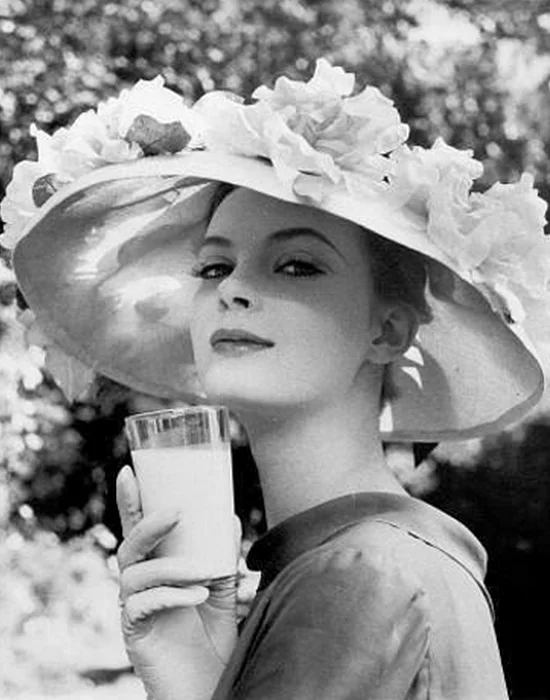
Today, Nena is the executive director of the Menla Mountain Retreat Center for Tibetan Medicine and is proud of her talented and successful children with unique names associated with the oldest Buddhist philosophy - Handen, Uma, Dechen, Mipam. And she still remains the same aristocratic beauty and, simply, a happy woman!

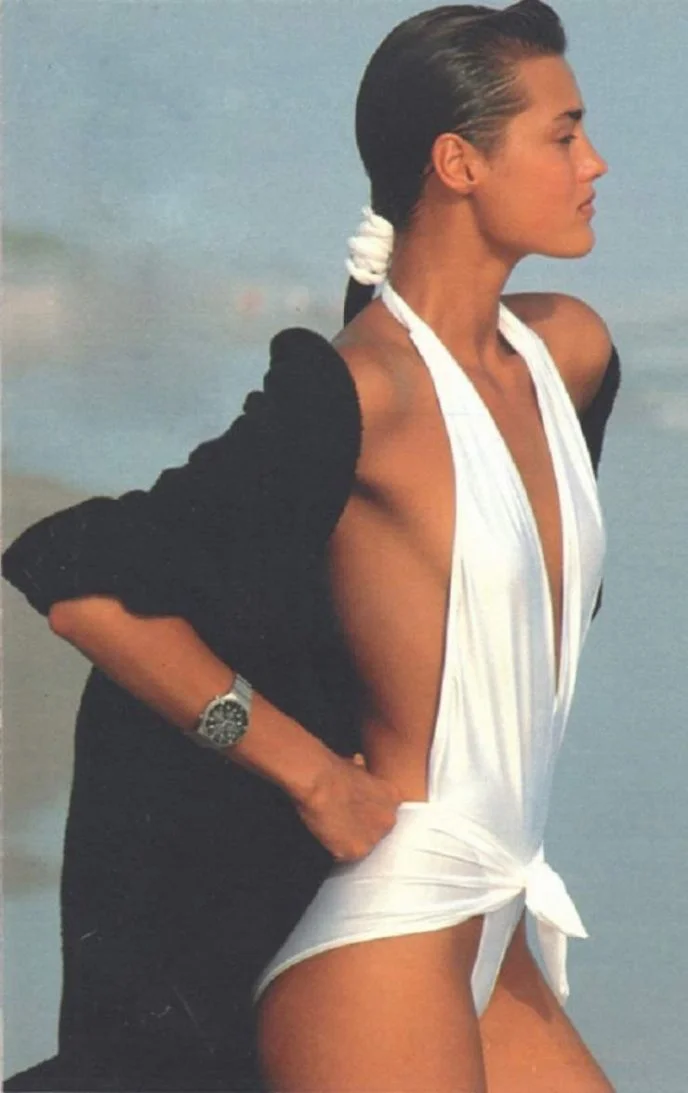
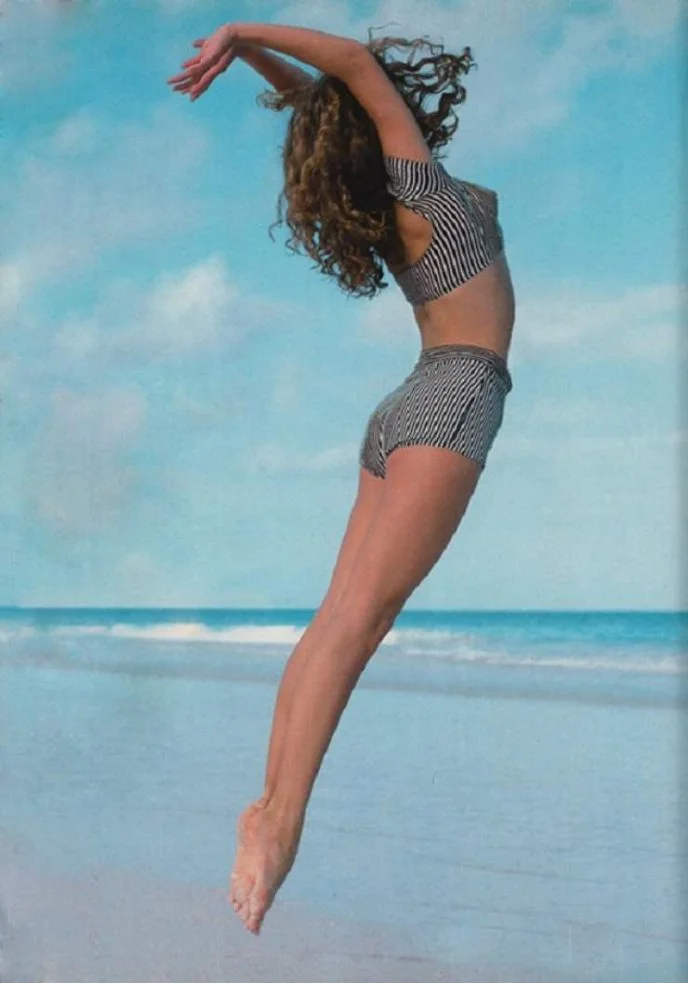
MODELS OF THE 80's
What were they like before silicon and botox.
Before beauty standards changed and silicon and botox was introduced to fashion, photographers cherished natural beauty without photoshop. Easy, breathy models of the 80's look more like nature's nymphs and please the eye. Let's go back in history with photographer Brydi Maka - one of the bright faces of that era.




FASHION HISTORY: IRVING PENN
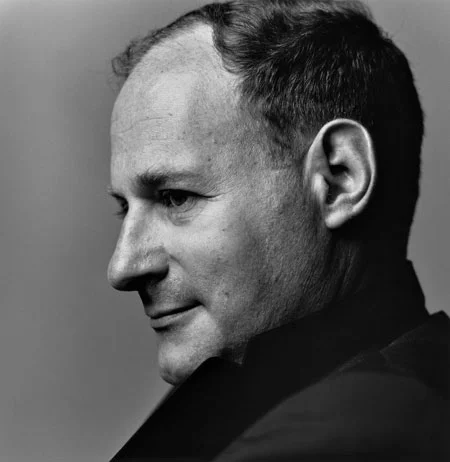
I myself have always stood in the awe of the camera. I recognize it for the instrument it is, part Stradivarius, part scalpel.

Irving Penn was born June 16, 1917 in Plainfield, N.J. Educated in public schools, he attended the Philadelphia Museum School of Art from 1934 to 1938, where Alexey Brodovitch taught him advertising design. While training for a career as an art director, Penn worked the last two summers for Harper's Bazaar magazine as an office boy and apprentice artist, sketching shoes. At this time he had no thought of becoming a photographer. Upon his return to New York, Irving won an audience with Alexander Liberman, art director of Vogue magazine, who hired Penn as his assistant, specifically to suggest photographic covers for Vogue. The staff photographers didn't think much of his ideas, but Liberman did and asked Penn to take the pictures himself.

Penn's photography is best known through magazines; his first photographs were for the printed page, not the photographic print. Through the influence and resources of his sponsors—after 1943 predominately Condé Nast—he has made portraits of some of this century's most important artists and has photographed the most beautiful women dressed by the most distinctive couturiers. Penn's career included work at Vogue magazine, and independent advertising work for clients including Issey Miyake and Clinique. His work has been exhibited internationally.
Penn worked on professional and artistic projects across multiple genres. He was a master printer of both black-and-white and color photography and published more than nine books of his photographs and two of his drawings during his lifetime.


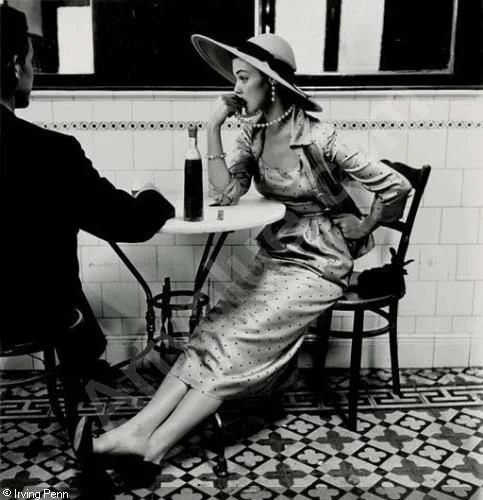
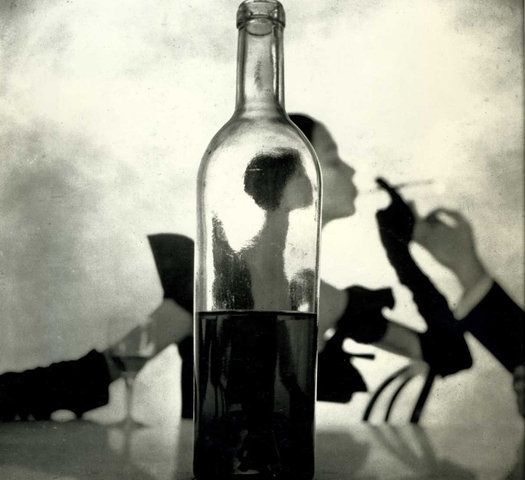


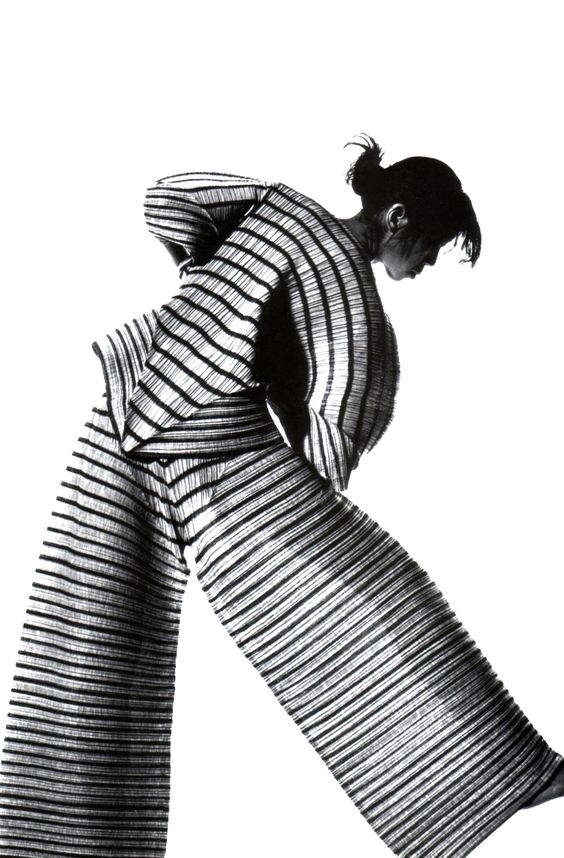


Penn died in 2009; his work is still widely exhibited around the world, and is held in major collections including the Art Institute of Chicago; J. Paul Getty Museum, Los Angeles; National Portrait Gallery, London; National Gallery of Art, Washington and the Metropolitan Museum of Art, New York, amongst others. In 2013 The Irving Penn Foundation donated 100 images to the Smithsonian American Art Museum, bringing the number of works in their collection to 161.
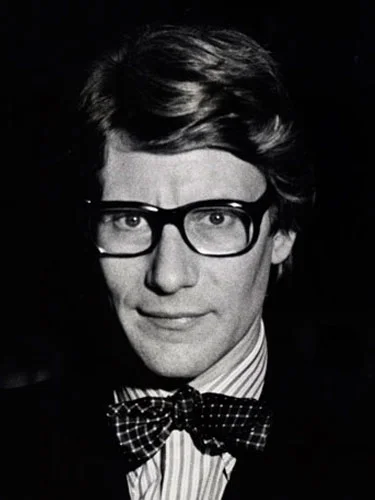
FASHION HISTORY: Yves Saint Laurent
Today French fashion designer Yves Saint Laurent, who changed the world of fashion forever would have turned 80 years.

On October 1957 Christian Dior invited Yves Saint Laurent and his mother for dinner and declared, "Yves will take my place after I die ."
In the three years working for Christian Dior, Saint Laurent managed to grow and become couture and accessories designer. In 1957 Laurent presented autumn- winter collection consisting of 35 designs. Christian Dior died of cardiac arrest few days after the dinner with Saint Laurent and 21 -year-old Yves Saint Laurent took over the house of Dior.
Yves St. Laurent's first collection for Dior was called the "Trapeze" line and it was a great success. The newspaper headlines read:
"St. LAURENT HAS SAVED FRANCE, THE GREAT DIOR TRADITION WILL CONTINUE"
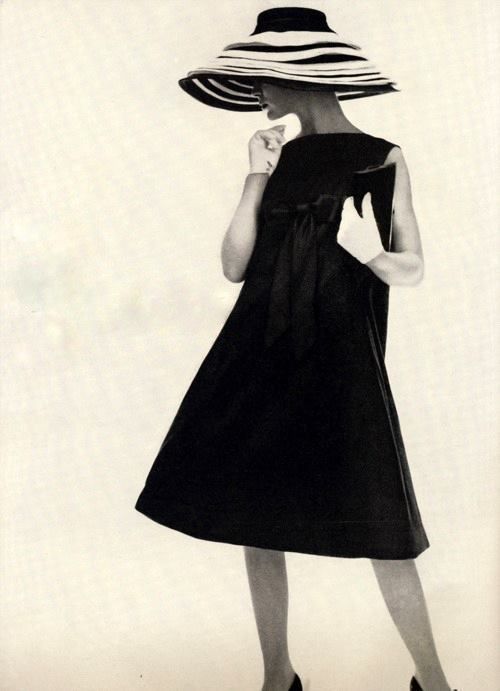
The young designer appeared on the balcony to greet the crowd The Trapeze Line. This design was a triangular shape, it flared gently from narrow shoulders to a shorter, wider hemline just covering the knees. By autumn all of Paris was wearing this shape dress.
In 1960, Yves St. Laurent was called for military service, and on his return he found that Marc Bohan had been given charge of the House of Dior. St. Laurent was very angry about this, and sued legally against Dior since he had a contract for the position with Dior. He was granted compensation of 48,000 pounds and used this to set up his own salon.
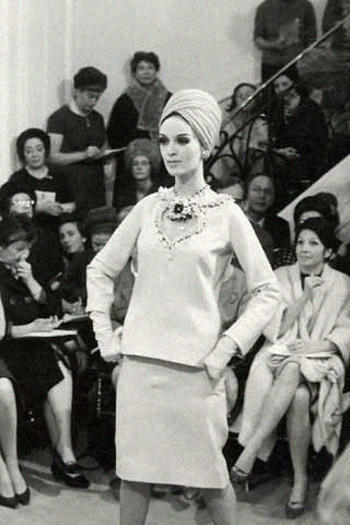
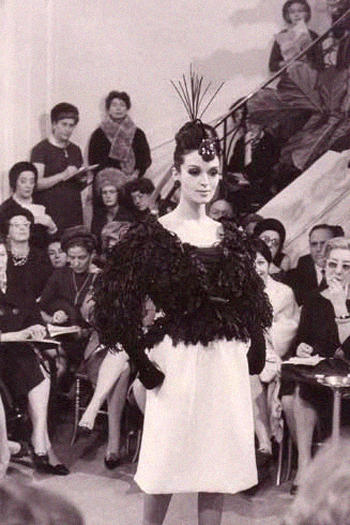


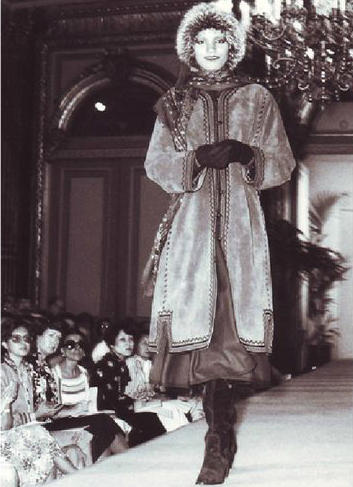


1960 The Spring/Summer collection was also very shocking, it was Beatnik, motor-cycle jackets made of alligator skin, mink coats with ribbed sweater sleeves and turtlenecks under finely cut suits. The staff at Dior felt YSL had misjudged the Dior clientele. Yves St. Laurent presented 6 collections for Dior. His 1959 collection was not very well received because he raised the hemline to the knees, belted every waist tightly and pulled the skirt into a tight kneeband. YSL was not very concerned about the criticism as he said "indignation is a good sign, it means fashion is alive and well."
text by Lauren Cohan
FASHION HISTORY: ELSA SCHIAPARELLI
“In difficult times, fashion is always outrageous.”
—Elsa Schiaparelli
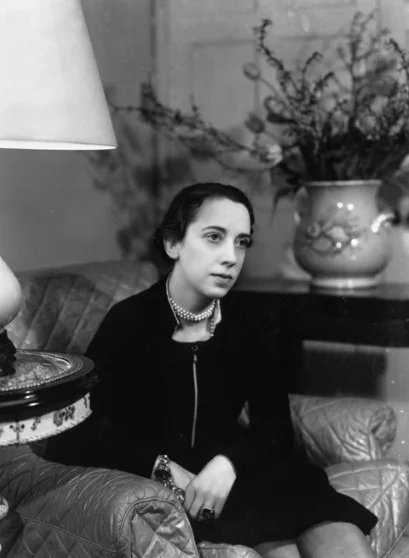
Elsa Schiaparelli was one of the world's leading fashion designers in the 1920s and '30s.
She was born on September 10,1890, in Rome, Italy to aristocratic mother and scholarly father. Elsa was the great niece of Giovanni Schiaparelli, who discovered canals on the planet Mars.
She studied philosophy. She published a poetry book which was not approved by her parent. Elsa was sent to a convent. But that did not stop her. She went on a hunger strike to be released. Once released, she ran way to London where she worked as a nanny.

In London, Schiaparelli met and eventually married her former teacher, Count William de Wendt de Kerlor, who was a theosophist. The couple soon relocated to New York, where they had a daughter, Maria Luisa Yvonne Radha de Wendt de Kerlor.
Schiaparelli began working at a boutique specializing in French fashions, and soon cultivated her own taste in clothes and accessories. Schiaparelli returned to Paris after her marriage failure, where she continued her work in the fashion industry. In 1927, opened her own business.

Elsa Schiaparelli at home.
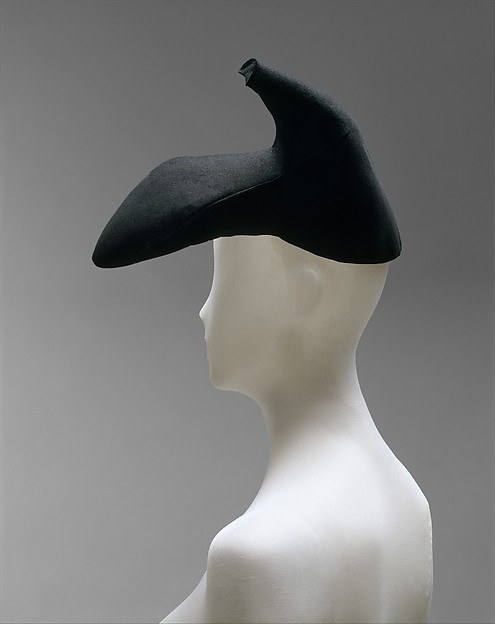
Schiaparelli's collaboration with Salvador Dali reached the height of Surrealist absurdity in this high-heeled shoe from winter, 1937-38. The idea for it, as recounted in Dilys Blum's authoritative book on the designer, was a photograph of Salvador Dali wearing a shoe on his head and another on his shoulder taken by his wife in 1933. The hat was made to wear with a black dress and jacket embroidered with red lips which were suggestive of those belonging to of the voluptuous actress Mae West for whom Schiaparelli was designing movie costumes at the time.
Elsa moved to Paris after working at a boutique in New York. In Paris she began designing her own line. Schiaparelli's debuted collection with a series of sweaters featuring Surrealist "trompe l'oeil" images. It became her trademark and soon caught attention of French Vogue.
She followed her initial success with another well-received collection of bathing suits and ski-wear, as well as the "divided skirt"—an early form of women's shorts. In 1931, Schiaparelli's divided skirts were worn by tennis champion Lily d'Alvarez. That same year, "Shiap," as she was known, expanded her work into evening-wear. For Schiaparelli, fashion was as much about making art as it was about making clothes. Schiaparelli connected with popular artists of the era; one of her friends was painter Salvador Dali, whom she hired to design fabric for her fashion house.
1920s and 30s fashion was shaped with Schiaparelli's sense of style. Her line was worn by world's most famous women, including Daisy Flowers, Lady Mendl ,Greta Garbo.

Schiaparelli discontinued her couture business in 1951 and closed her design house three years later, but continued to work in fashion, designing accessories and, later, wigs. In 1954, she released an autobiography, Shocking Life.
A giant in the world of fashion. In 2012, New York's Metropolitan Museum of Art featured her work, along with that of Italian designer Miuccia Prada, in a major exhibition.
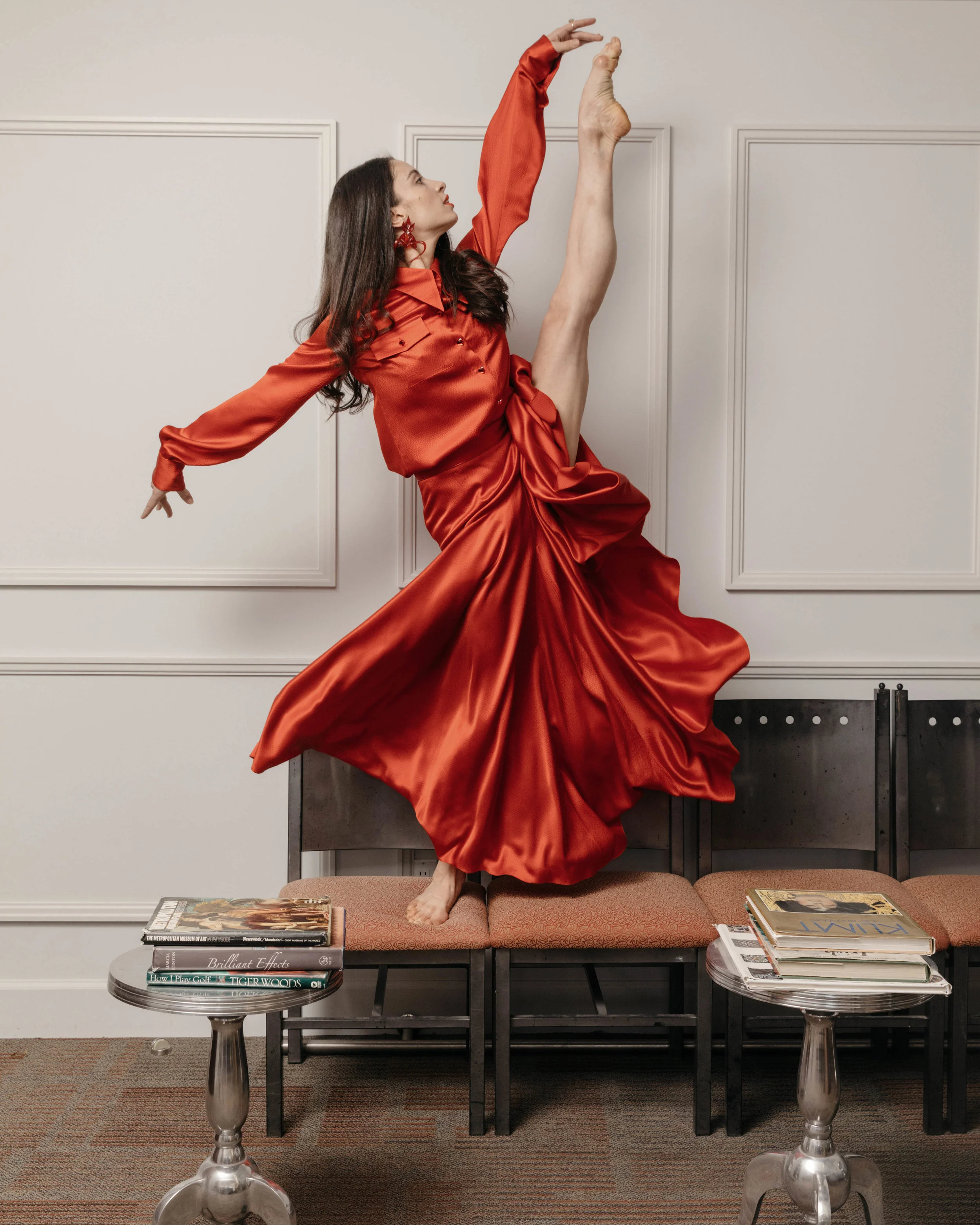
Feel the Beat: Dance in Photographs (May 16, 2026–Jan 31, 2027)
SF MOMA