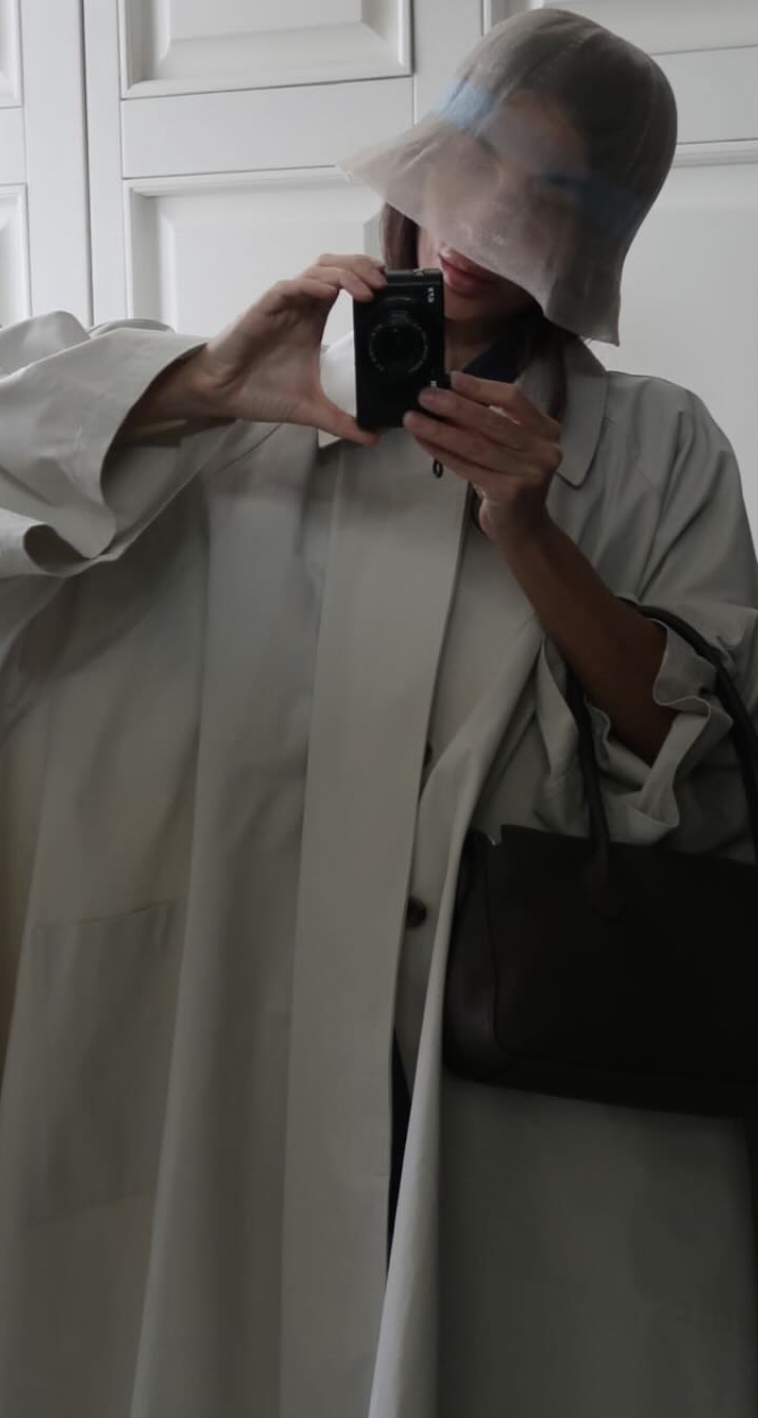
Are hats making a comeback? Let's explore the history of hats.

Throughout history, ladies' hats have played a significant role in fashion and societal norms. Dating back to the Middle Ages, women adorned their heads with veils, hoods, and wimples as a sign of modesty and social status. The Renaissance period brought about more elaborate headwear, with decorative caps and turbans becoming fashionable among the European nobility.
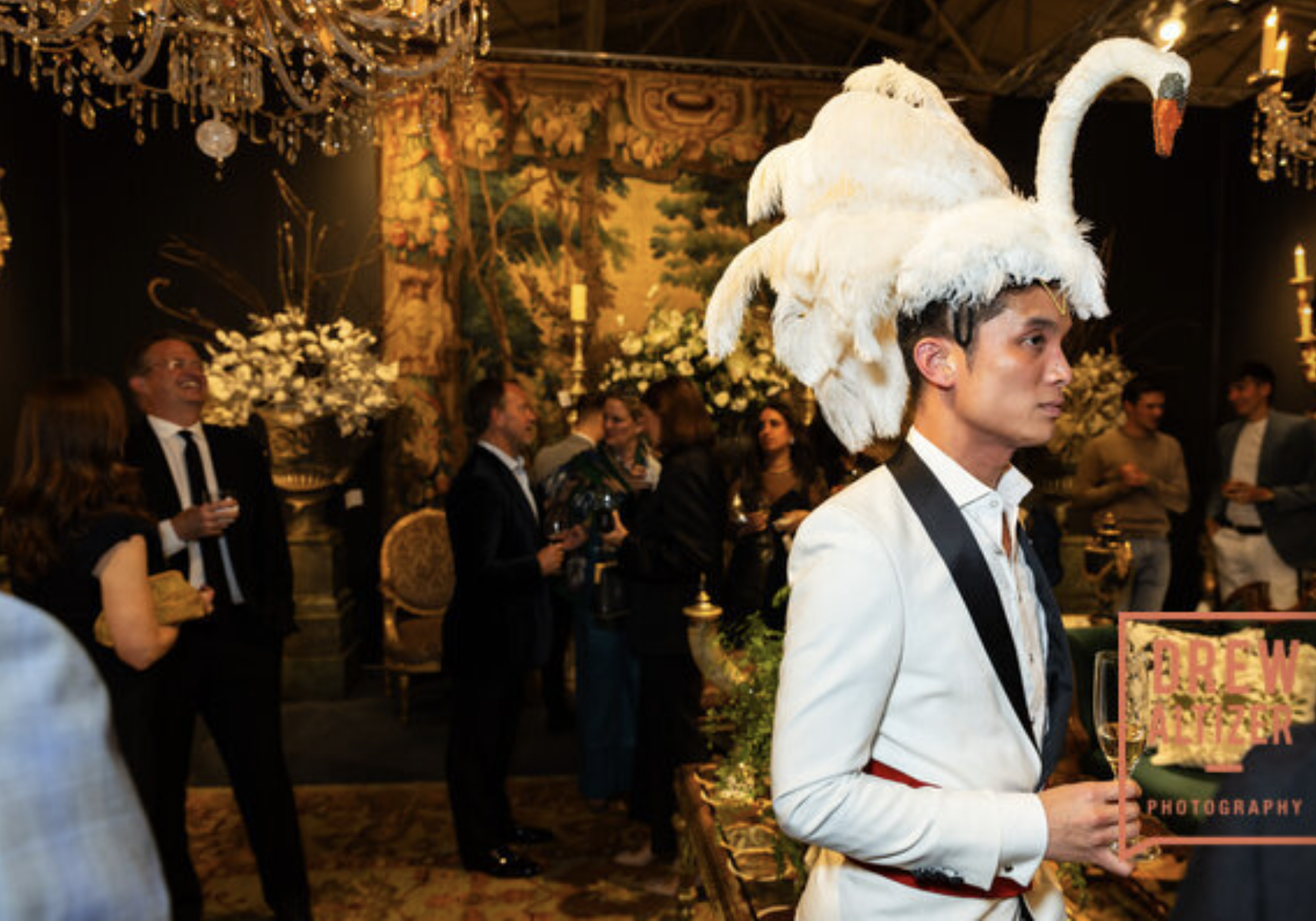
By the 18th century, women's hats evolved into extravagant pieces adorned with feathers, ribbons, and even taxidermy birds. This era also saw the introduction of wide-brimmed hats that were adorned with lavish trimmings to signify wealth and status.
During the 19th and early 20th centuries, hats became even more elaborate, with the invention of the sewing machine enabling mass production and making hats more accessible to women of various social classes. The late 19th century saw the popularity of large, elaborate hats decorated with flowers, ribbons, and even whole taxidermy animals.
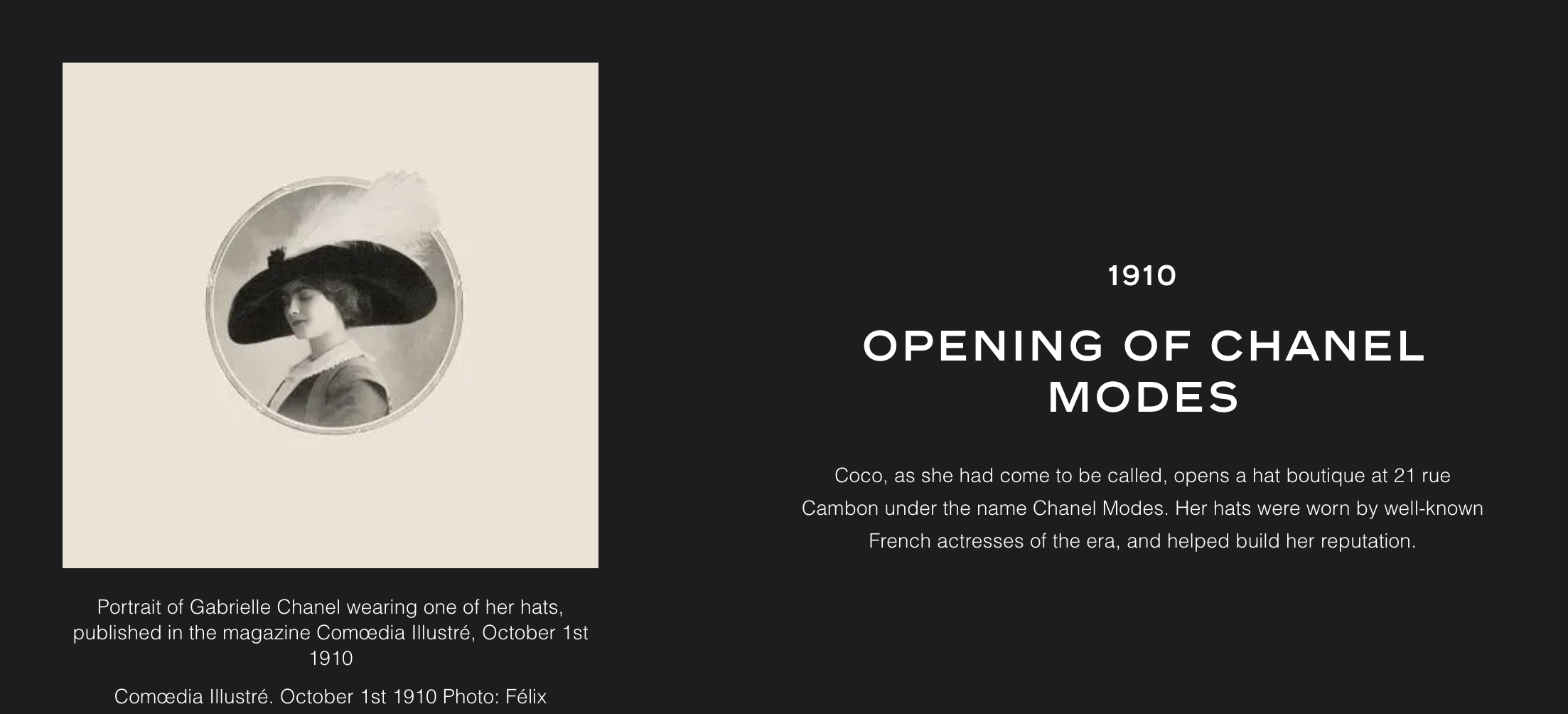
The early 20th century was considered the golden age of hats, with iconic styles such as the cloche, picture hat, and fascinator gaining popularity. Designers like Coco Chanel and Elsa Schiaparelli revolutionized hat fashion by introducing simpler, more streamlined designs that reflected the changing roles of women in society.
After World War II, hats began to decline in popularity as hairstyles became more prominent. However, hats continued to be worn for special occasions such as weddings, horse races, and formal events.
Today, hats are making a comeback as a fashionable accessory, with modern milliners creating innovative designs that blend traditional craftsmanship with contemporary styles. From wide-brimmed sun hats to chic fedoras, ladies' hats continue to be a versatile and timeless fashion statement.






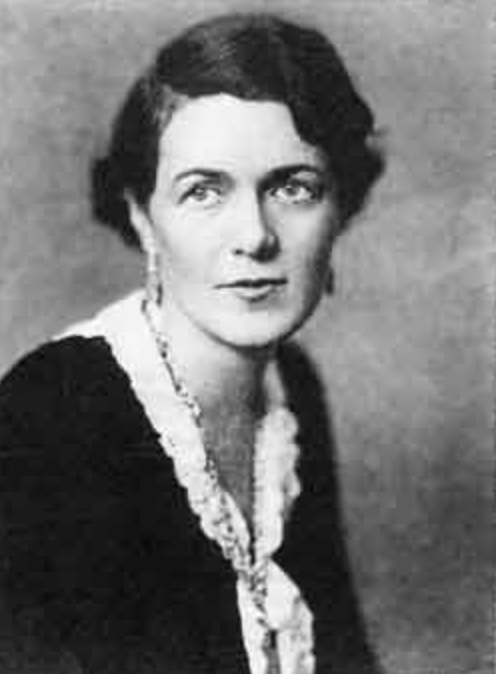
Who Invented the Bra?
.
Did you know that French woman revolutionized the undergarment industry by inventing the bra, which drastically improved the lives of countless women?
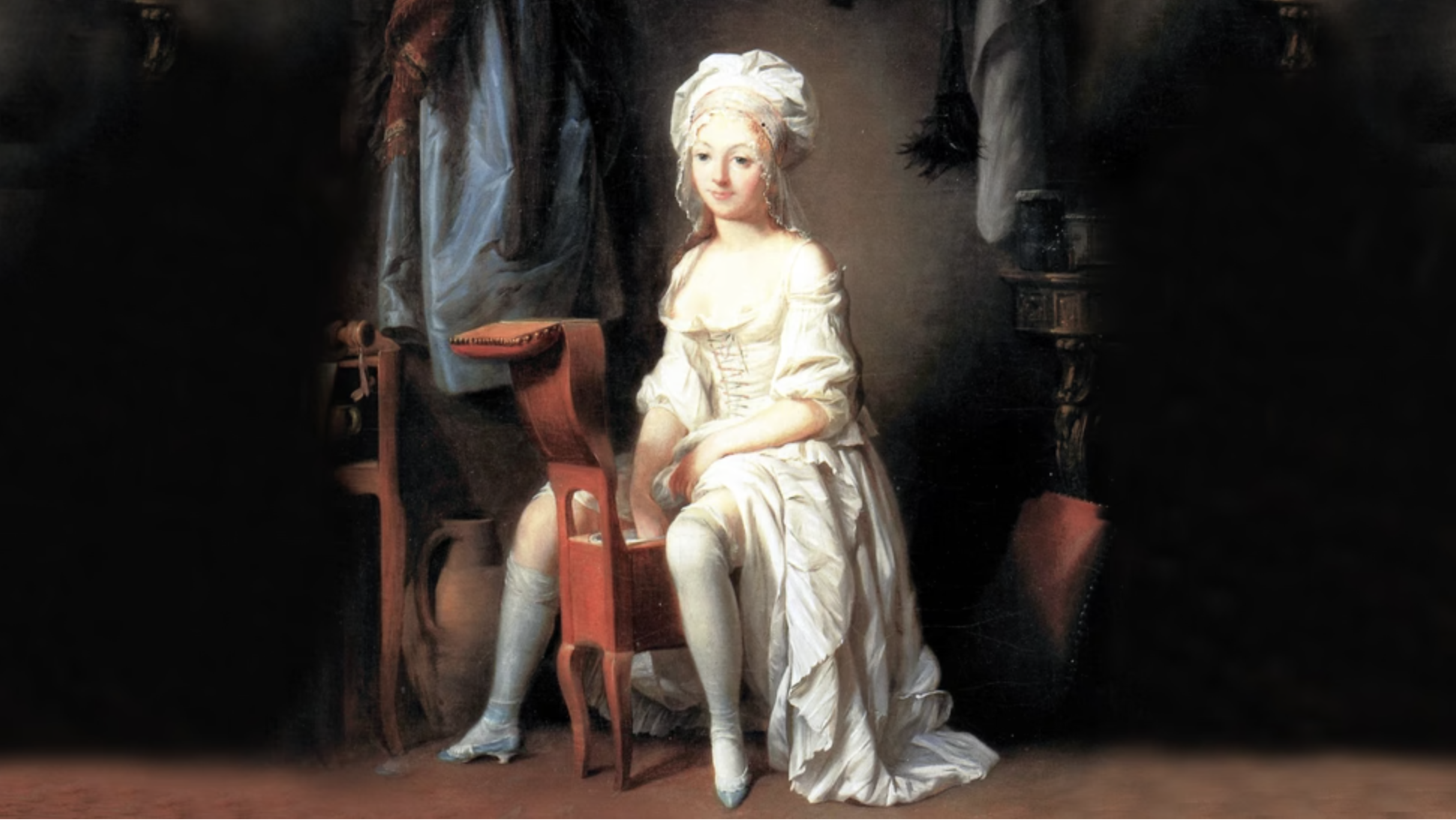
In 1889, Herminie Cadolle, an employee at a French factory, devised the prototype for a modern bra. Dubbed "le Bien-Être," this innovative garment combined elements of a corset while offering hygiénique,elasticity all while maintaining an empty stomach. Prior to this invention, women wore corsets from a young age, leading to numerous health issues such as back pain, difficulty breathing, and digestive problems, restricting their freedom of movement.
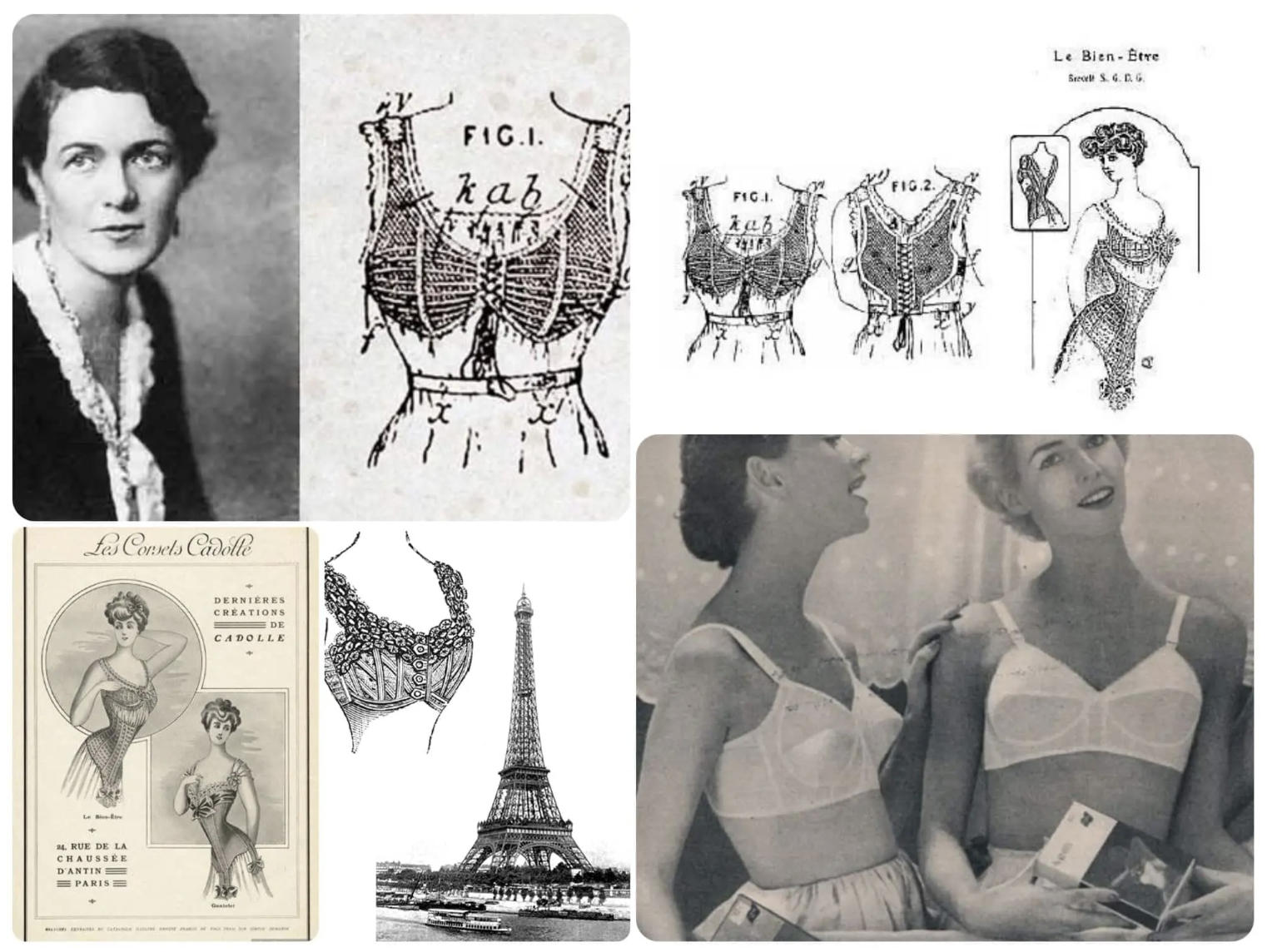
Legend has it that the idea for the bra came about when a client approached Herminie seeking a solution to freely play tennis. Thus, Herminie became the trailblazer behind this revolutionary garment. Her legacy endures through her brand and store in Paris. Herminie established Maison Cadolle, a premier haute couture lingerie house renowned for crafting bespoke undergarments that remain at the pinnacle of luxury and elegance.
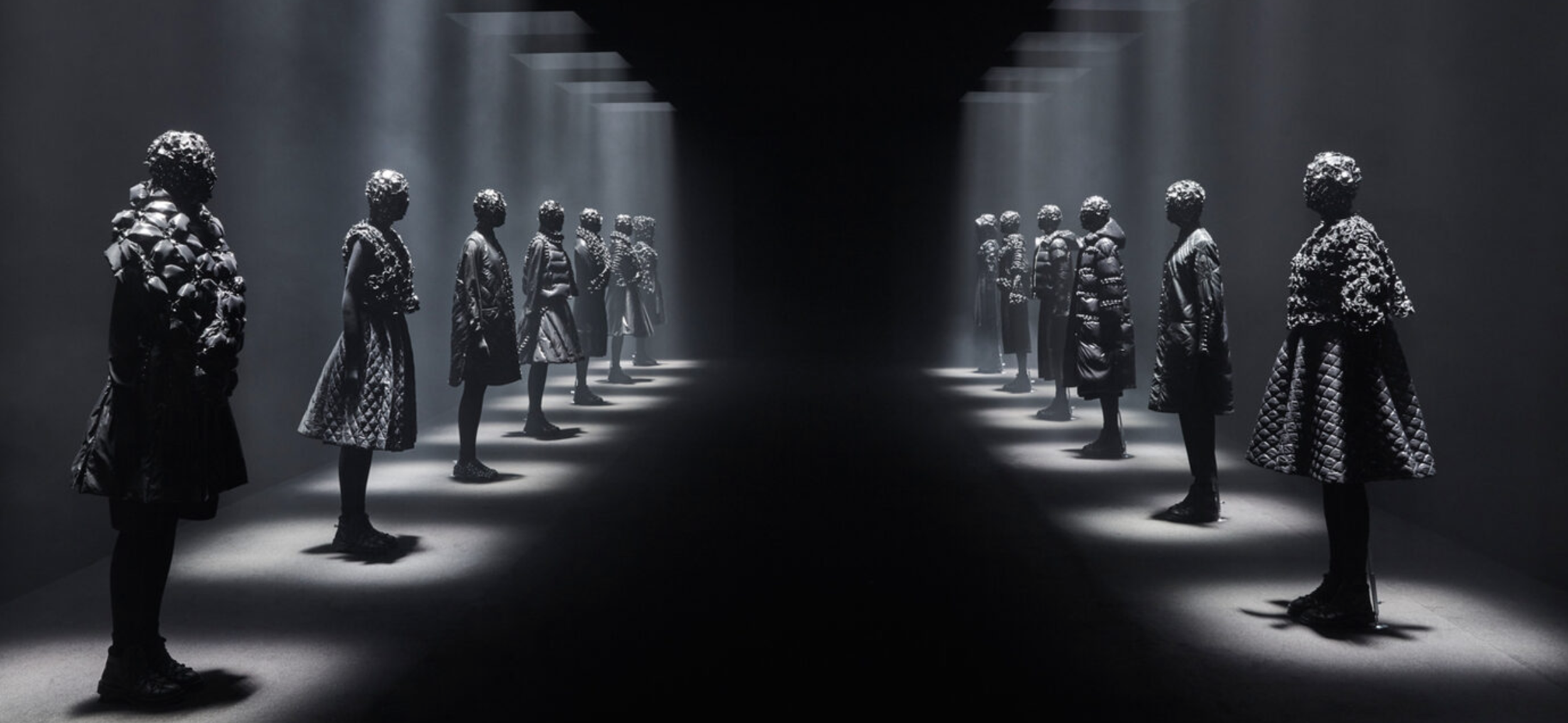
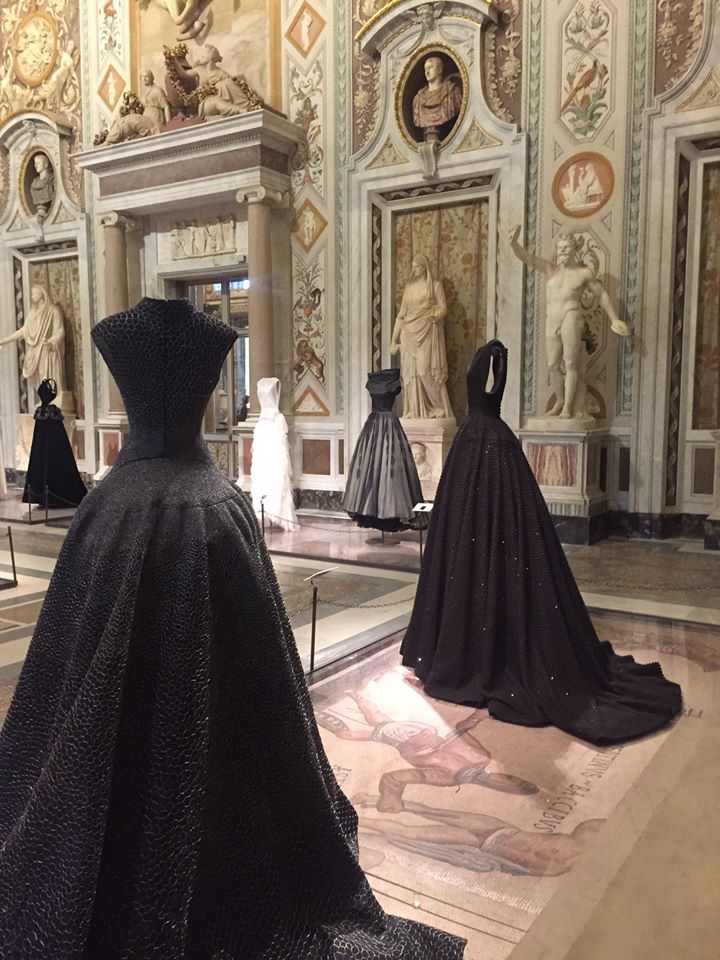
Interestingly, Maison Margiela last runway showcased Herminie Cadolle's sheer bra, highlighting its enduring influence and relevance in fashion.

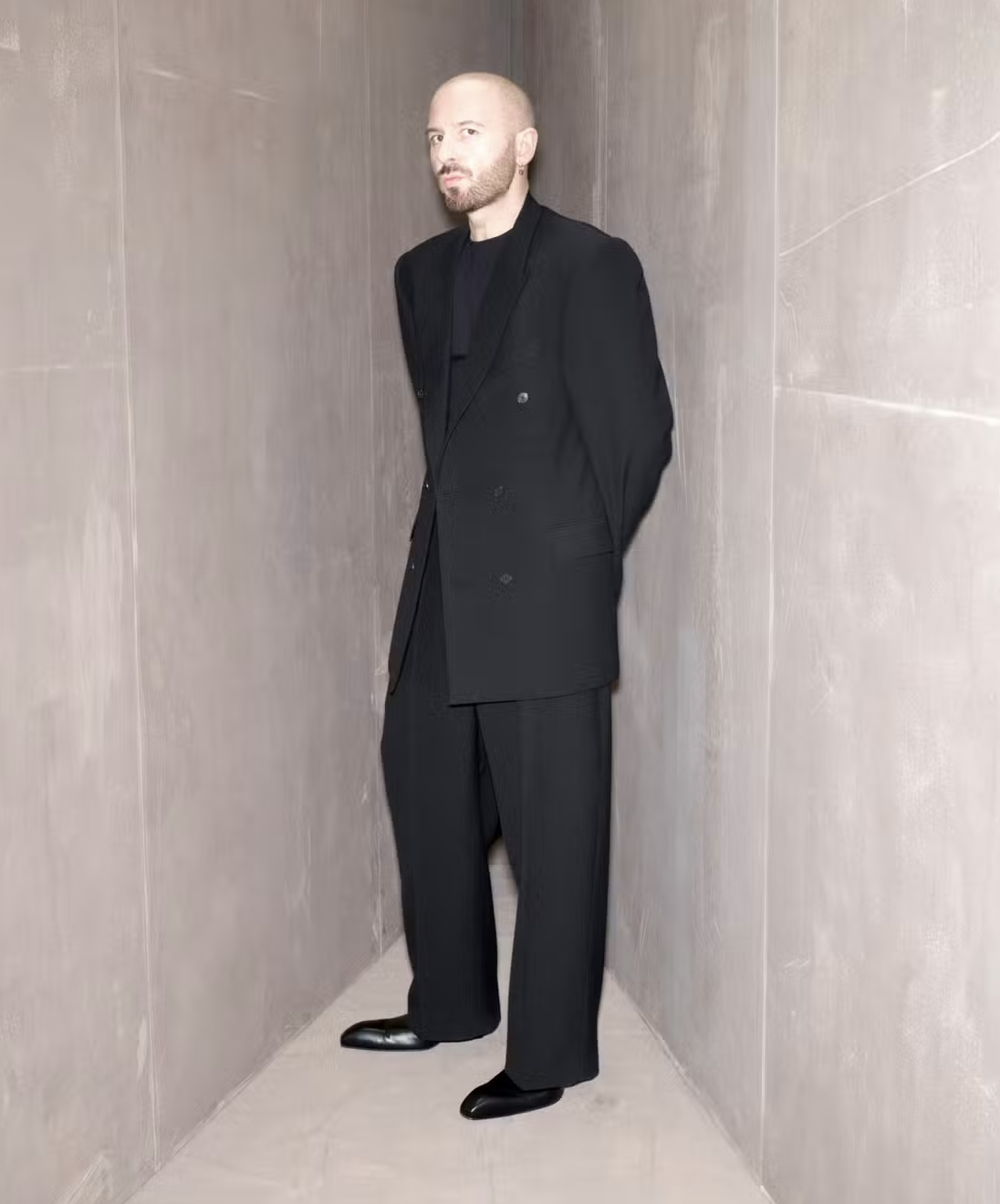

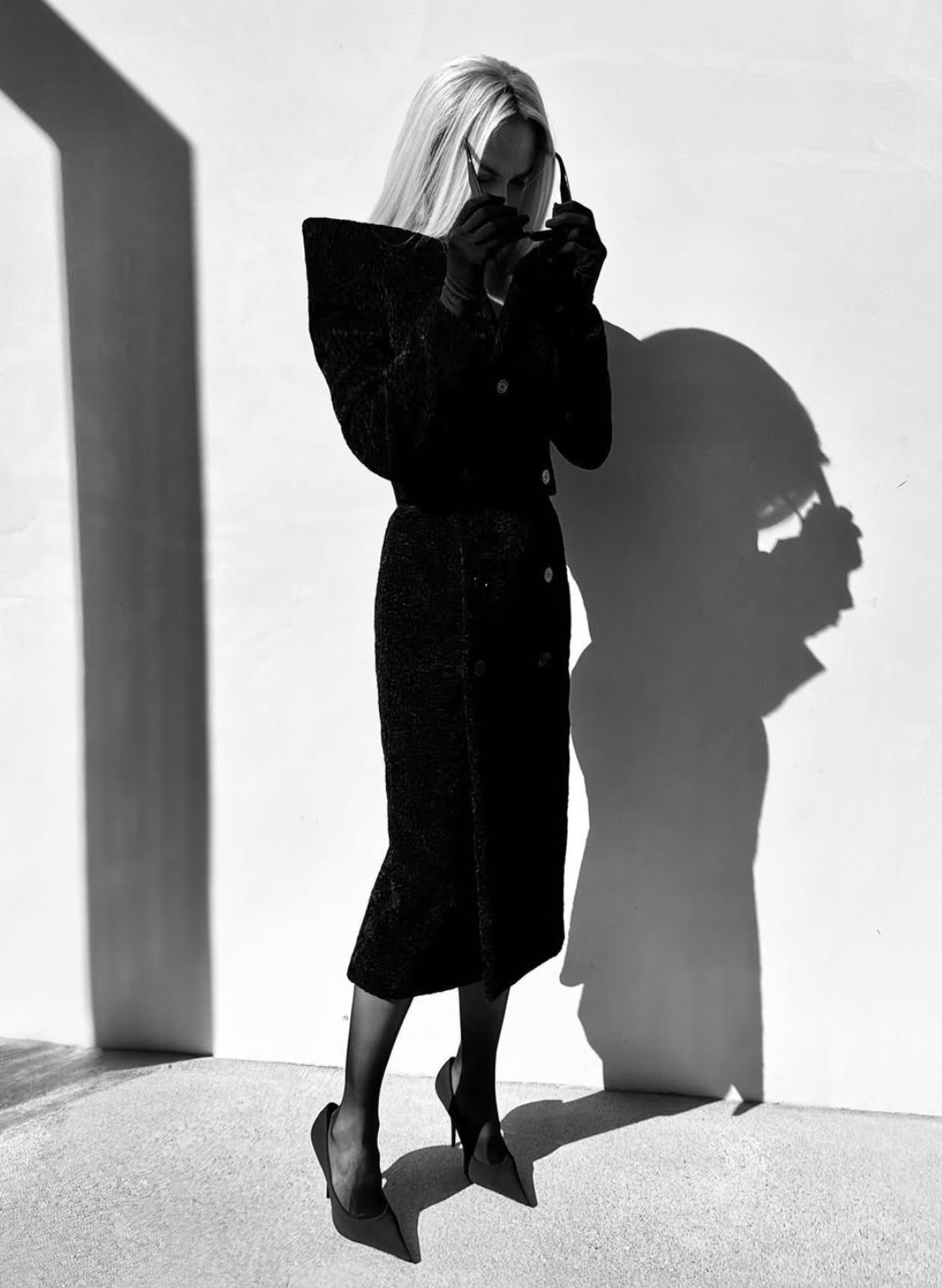




FASHION HISTORY: FASHION FROM THE PAST
Around 1918 and especially after the First World War, women began to wear more comfortable and lighter clothing to go to the beach. A two-piece set (or jumpsuit) with baggy pants that became the perfect outfit to wear on the seaside, at a time when women were not wearing pants. Known as beach pajamas, this set became very fashionable in the 1920s among upper-class women who spent beach vacations and was booming during the 1930s. Even Juan-Les-Pins beach in the Côte d'Azur was popularly known as "Pajamapolis", as the beach pajamas were the most used clothing by its visitors.
Coco Chanel -pioneer in wearing pants on the beach- and Elsa Schiaparelli were some designers who created this type of outfit.
A group of women wearing beach pajamas with a wider neckline at the back (1934).
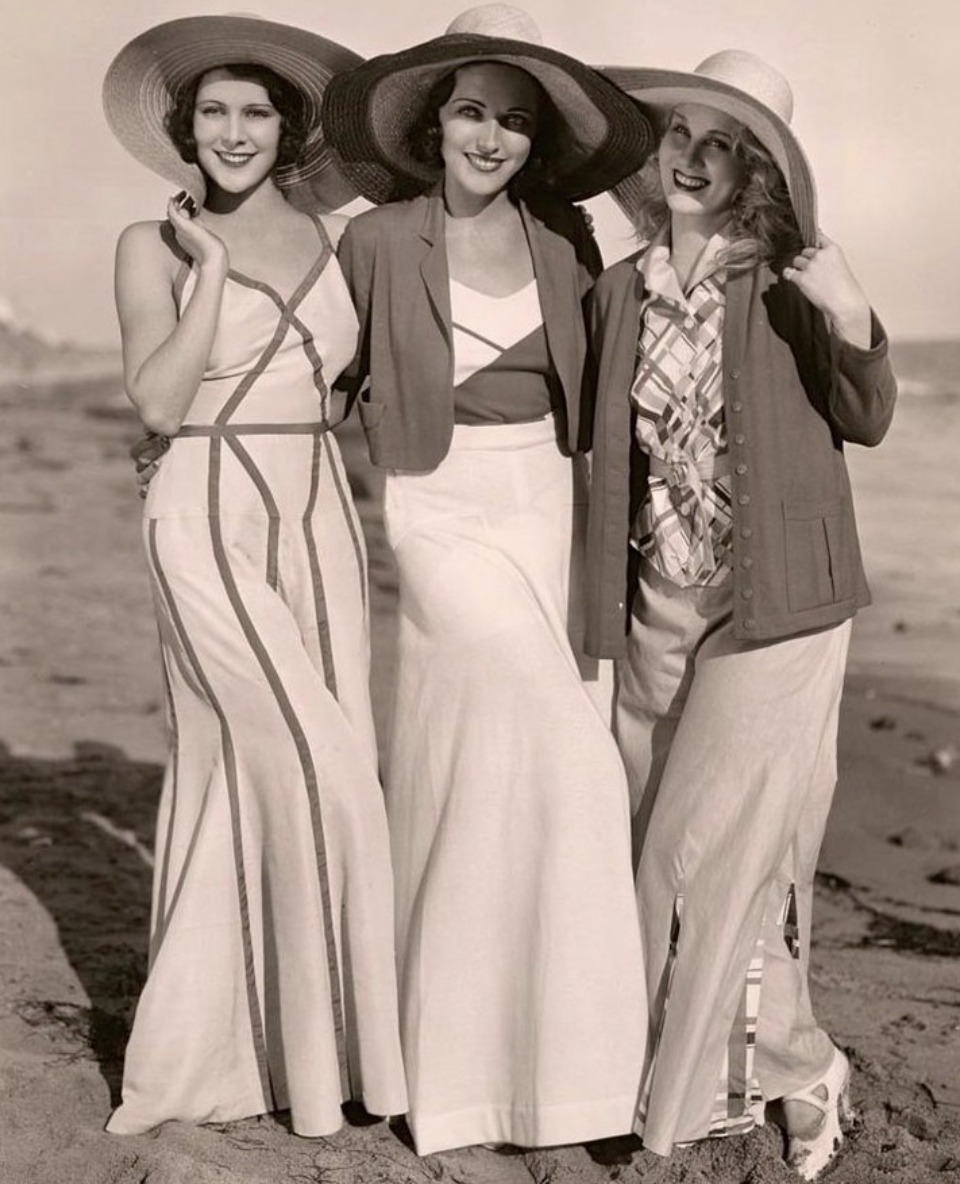
Actresses Frances Dee, Adrienne Ames and Judith Wood wearing beach pajamas in the early 1930s.
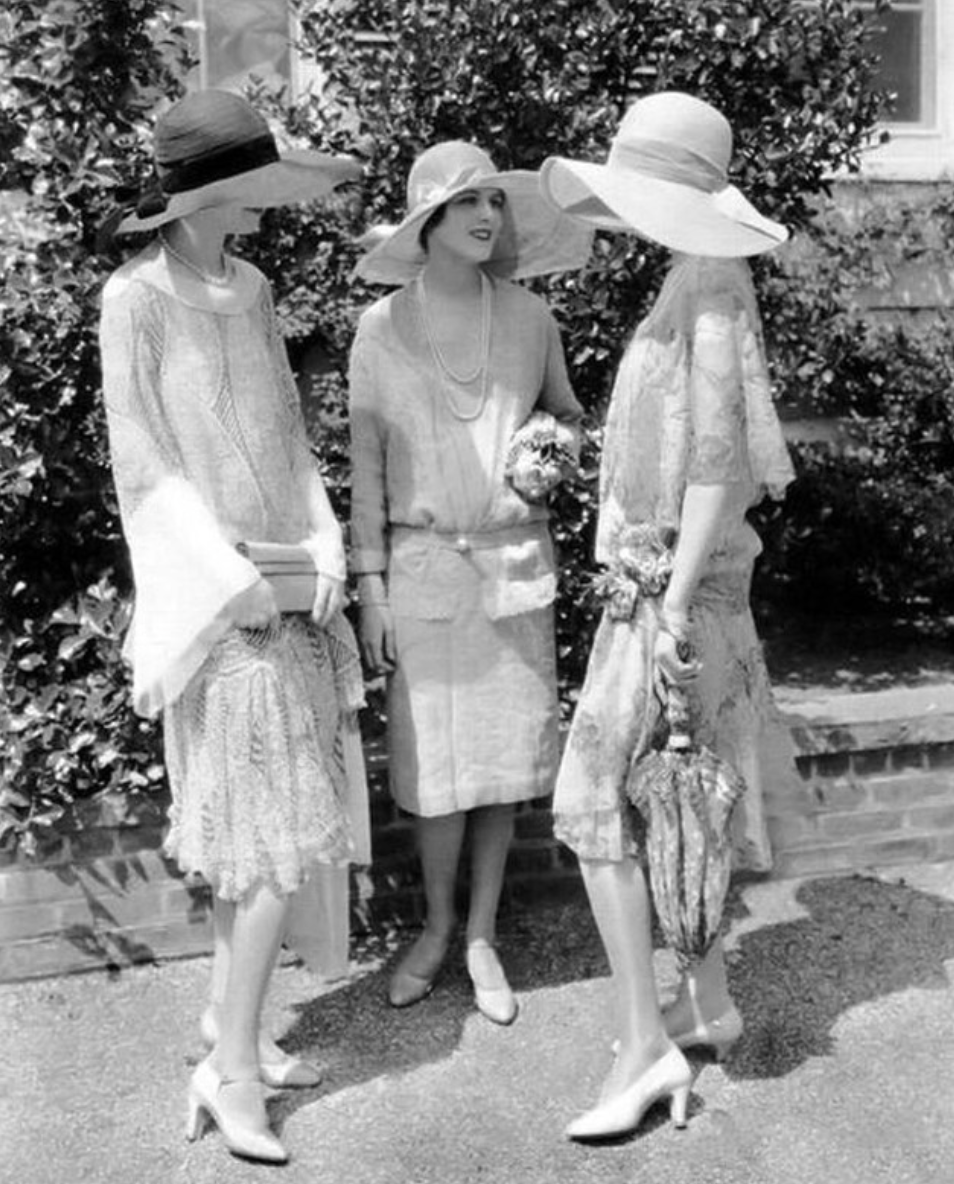
Models Alden Gay, Marion Morehouse and Miss Collier wearing chiffon dresses and hats, photographed by Edward Steichen for vogue, 1927.
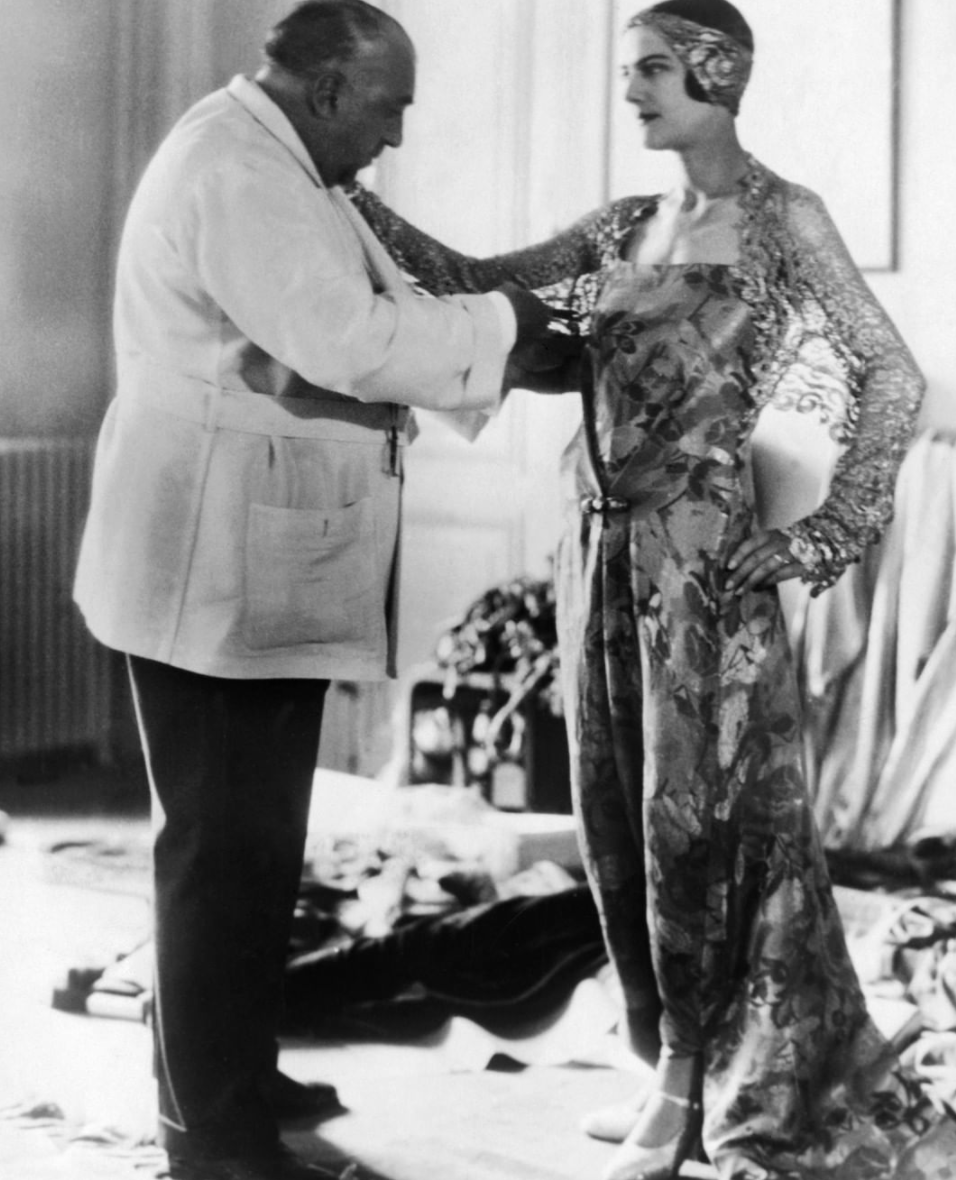
On April 20, 1879, Paul Poiret, called 'Le Magnifique'. was born. He dominated the European fashion of the early twentieth century, made draped dresses its most representative element and was one of the pioneers in removing the corset.
Influenced by oriental fashion, he popularized kimonos, caftans, tunics, and turbans. He created the harem pants, the hobble skirt and the lampshade tunic. He loved color and dressed women in rich, vibrant tones.
He held lavish parties that gave him a lot of publicity, although they ruined him, and he knew how to get the most out of his brand creating perfumes, furniture, textiles and other household items.
His muse was his wife, Denise Boulet, although they ended up divorcing after 23 years together.
But, despite his enormous international success, he died in misery and totally forgotten.

Model wearing a black Givenchy linen romper with a bow at the waist, a pink and white organza jacket and a black straw hat. Photo by Bert Stern, 1969.

On May 12, 1907 Katharine Hepburn was born. Named the biggest female star in Hollywood history, she received four Academy Awards for Best Actress. Her style was casual and effortless, she publicly preferred to wear wide legged pants, shirts and suits because she put comfort before glamor. She played independent women and personified the modern and emancipated woman.
Katharine Hepburn in a scene from the film 'The Philadelphia Story', 1940.
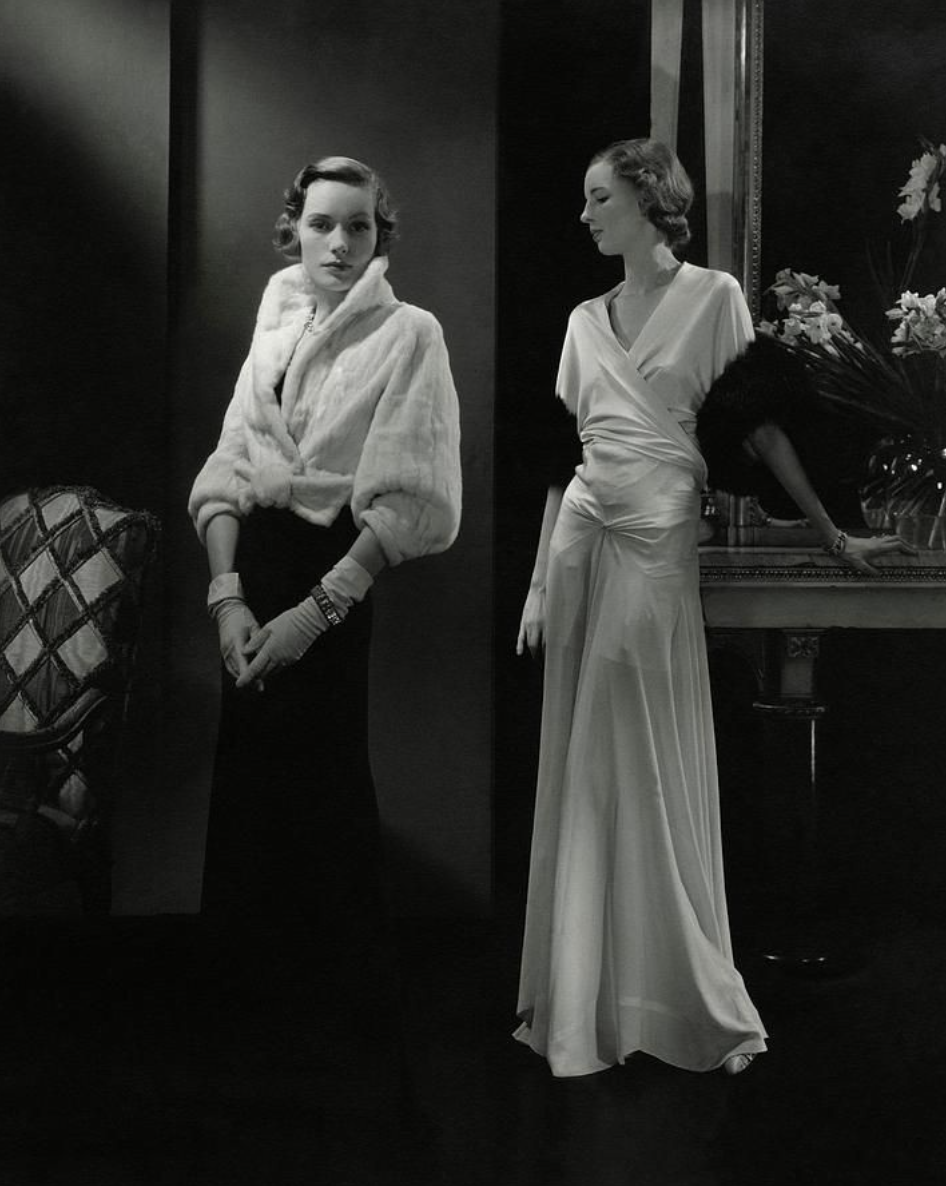
Two models -on the left is Mrs. Francis A. Wyman- photographed by Edward Steichen for Vogue, 1932.
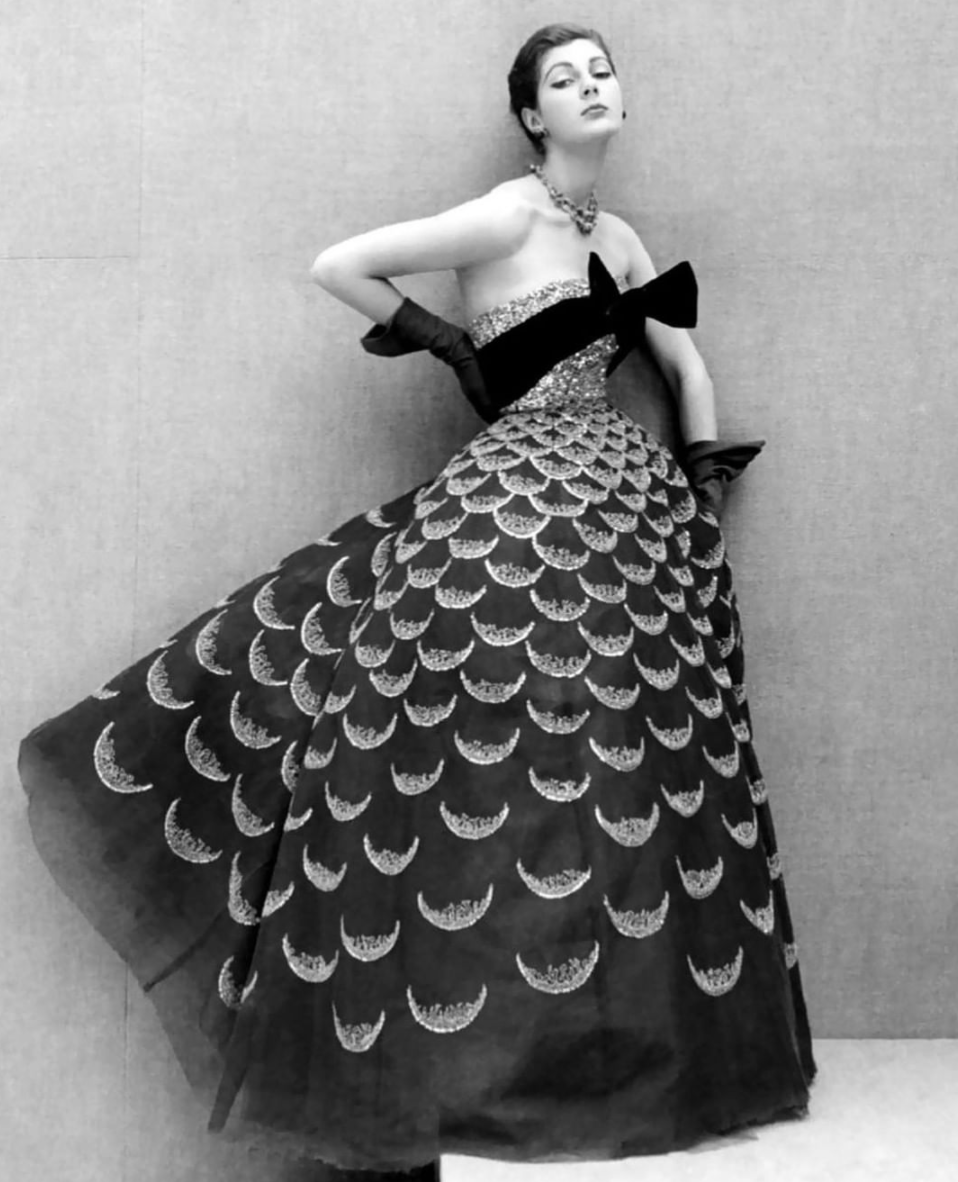
Model Fiona Campbell-Walter in Dior photographed by Henry Clarke, 1951.

On May 6, 1992, Marlene Dietrich died. Actress, singer, and icon of sexual freedom. She imposed feminine pants and adopted masculine garments (ties, shirts, hats) that she combined with glamorous hairstyles and makeup to create her daring and sophisticated style.
Marlene Dietrich on board the ocean liner Europe, 1933.
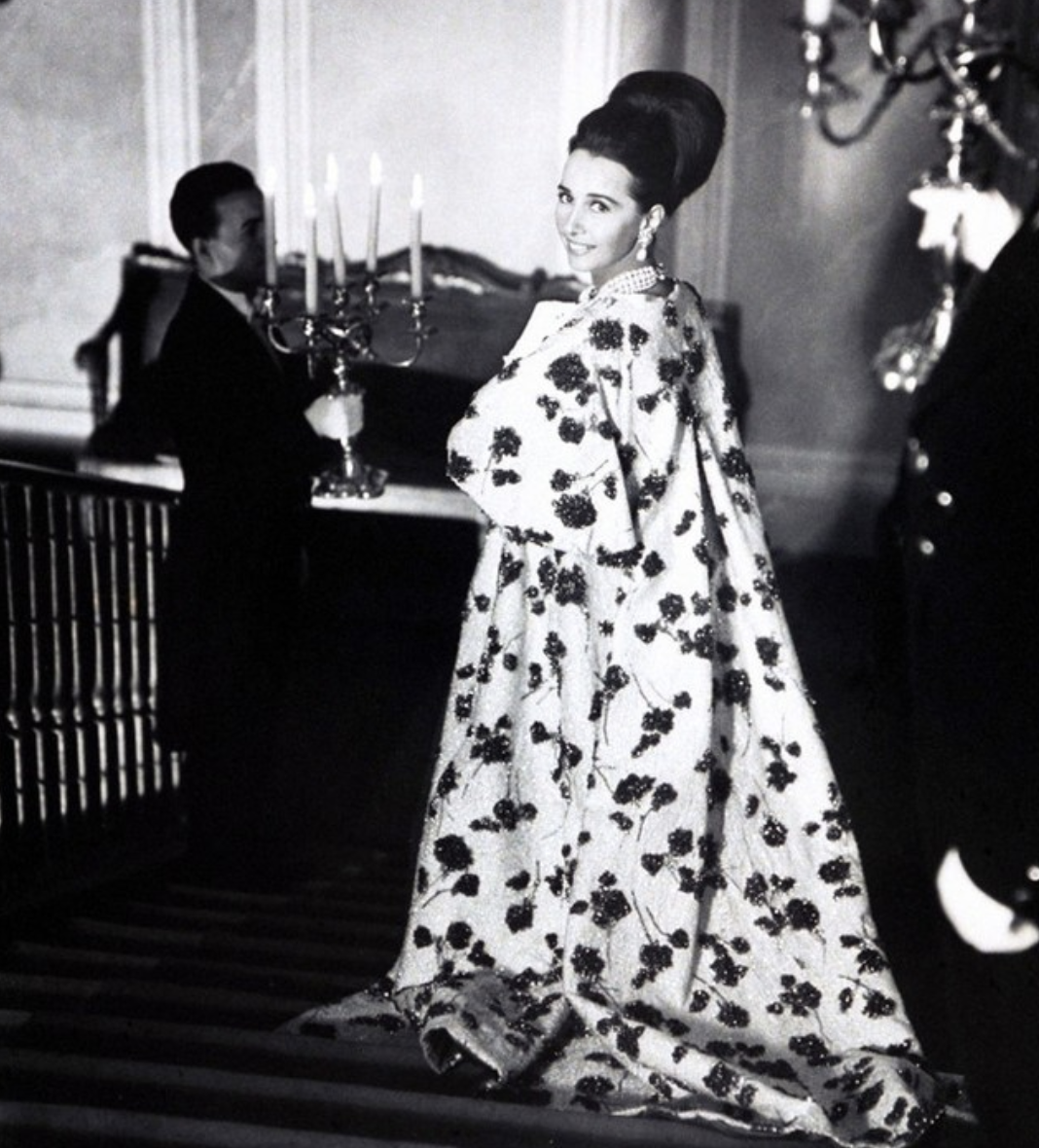
Aline Griffith wearing a full length embroidered coat by Pedro Rodríguez , photographed by Henry Clarke for Vogue, 1963.
Aline Griffith left her job as a model to become a spy for the CIA's predecessor Office of Strategic Services (OSS). She was sent to Spain, where she would meet Luis de Figueroa, count of Quintanilla and later III count of Romanones. As part of the Spanish nobility, she was well known for her lavish parties attended by world celebrities such as Ronald and Nancy Reagan, Salvador Dalí, Ava Gardner, Rainier of Monaco and Grace Kelly, Audrey Hepburn and Mel Ferrer, Imelda Marcos, the Dukes of Windsor, Jackie Kennedy, among many others.
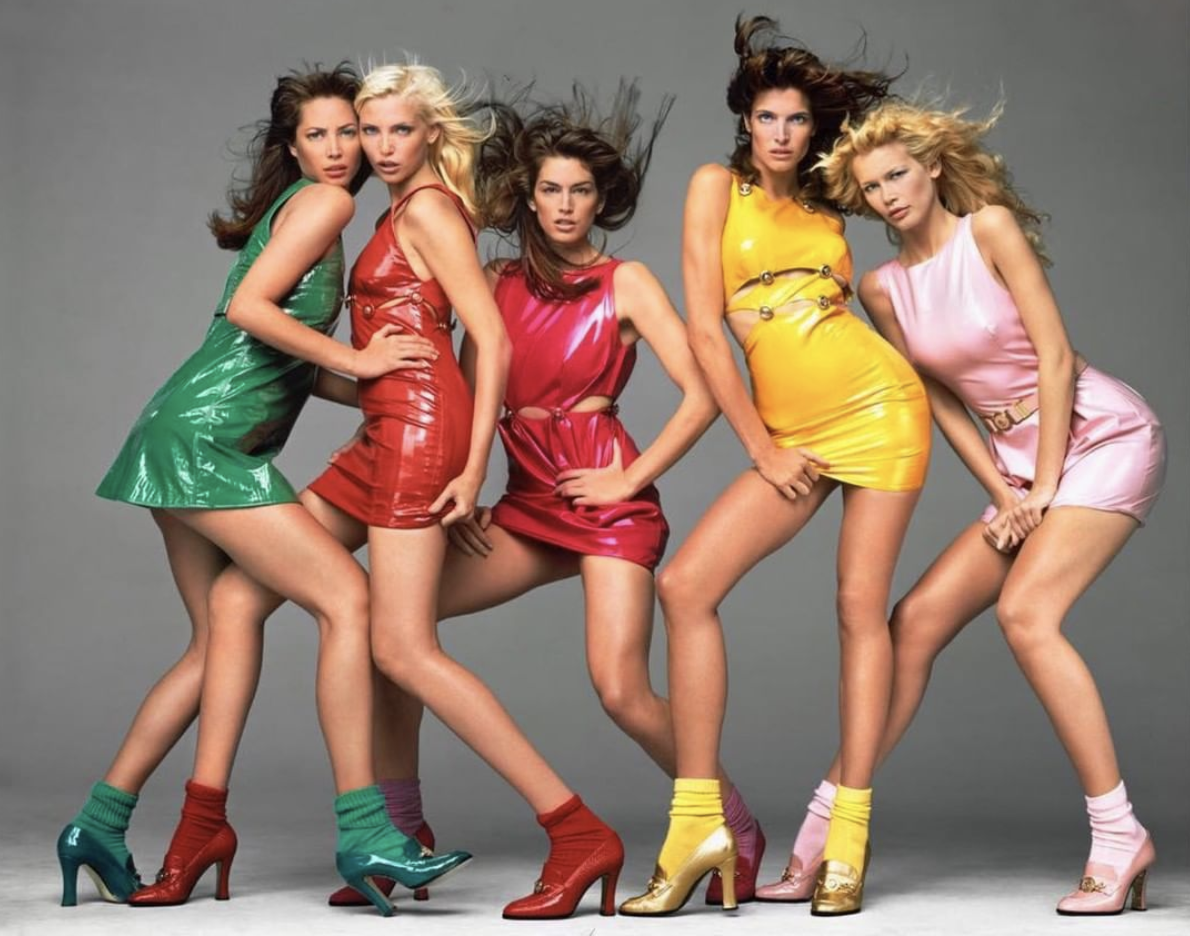
Christy Turlington, Nadja Auermann, Cindy Crawford, Stephanie Seymour and Claudia Schiffer for Gianni Versace, photographed by Richard Avedon, 1994.
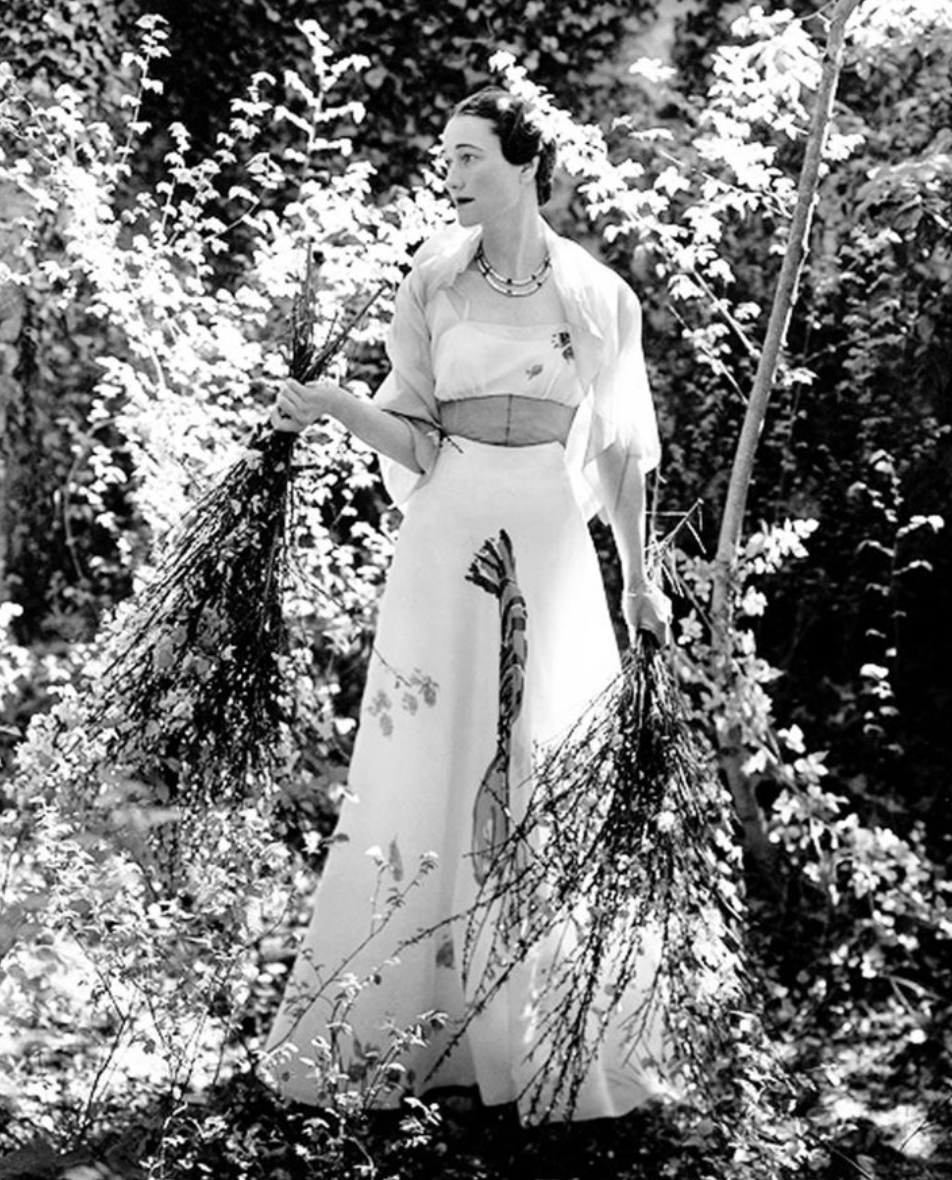
On April 24, 1986, Wallis Simpson passed away.
In 1933 she met David, the Prince of Wales, who fell in love with her and would abdicate in 1936, after less than a year on the throne as Edward VIII to marry her.
Wallis used fashion to differentiate herself from the British royal family, her style was unique, glamorous and daring. And she had a reserved seat in the front row of the Givenchy, Schiaparelli, Dior and Mainbocher shows.
Wallis Simpson with the lobster dress designed by Elsa Schiaparelli and Salvador Dalí, photographed by Cecil Beaton for Vogue, 1937.






































FASHION HISTORY: AENNE BURDA
SELFMADE WOMAN
July 28 marks the 107th anniversary of the birth of a woman whose name is known all over the world, all thanks to the famous fashion magazine Burda moden. Ring a bell?
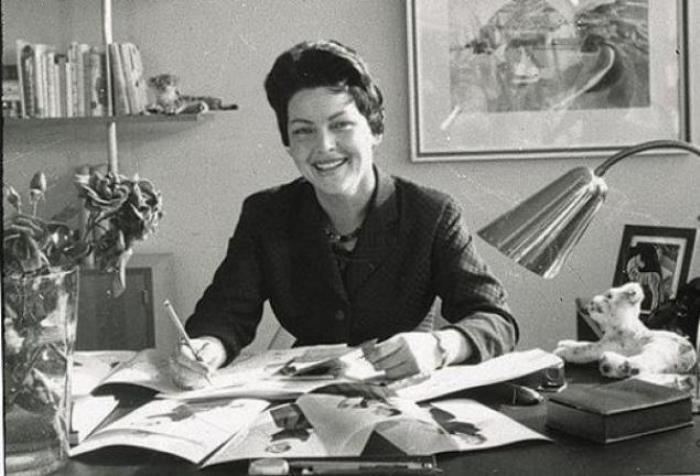
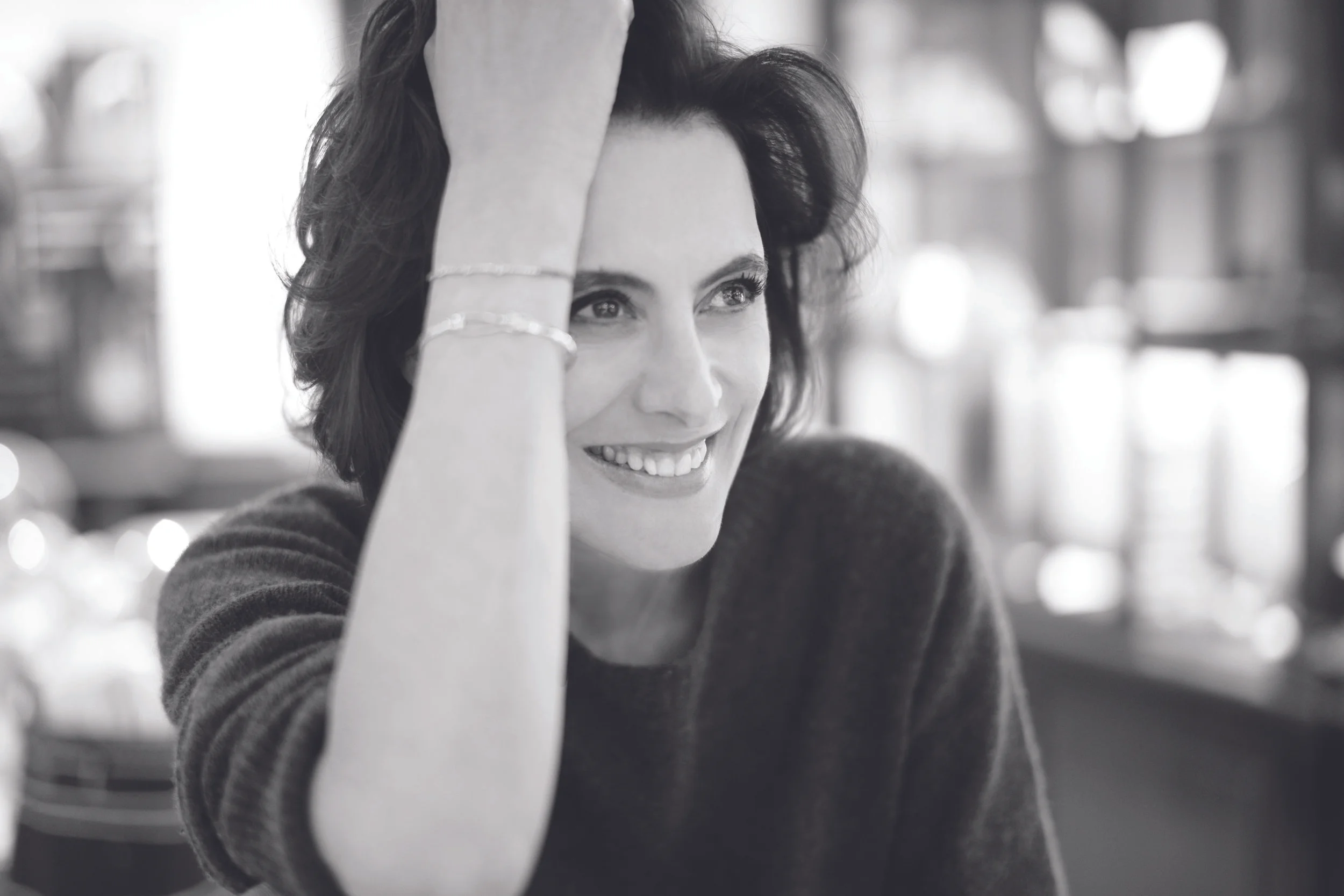
Aenne Burda.
Anne Burda, an idle German housewife, helped ordinary women with modest incomes look elegant and stylish. She made herself and invited everyone to try the same: the magazine was accompanied by quality patterns for women to sew their own clothes.
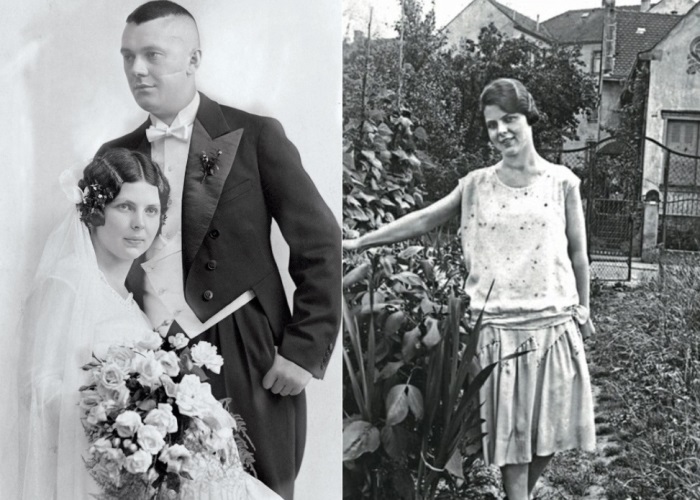
Aenne Burda and her husband.
The magazine was appreciated for the availability and accuracy of the patterns, which could easily be transferred to the fabric. Burda modern opened up a large space for independent creativity: using the ideas of a fashion magazine that women could modify.
Aenne Magdalena Lemminger was born in a German provincial town in 1909. She married the owner of the printing shops Franz Burdu and gave birth to three children. By Western standards, the family's income was modest, although she could afford to hire a nanny and a housekeeper. She spent 25 years being a housewive and taking care of the children. Perhaps it would have lasted longer, if not for one case which abruptly changed her life.
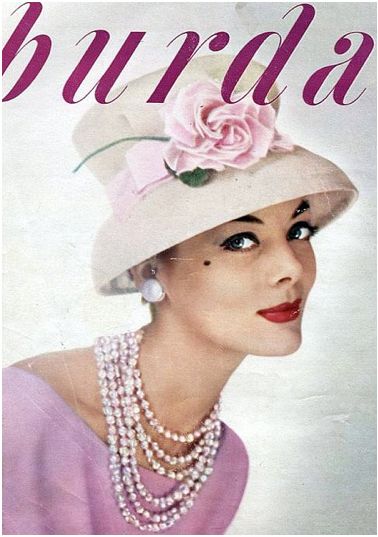
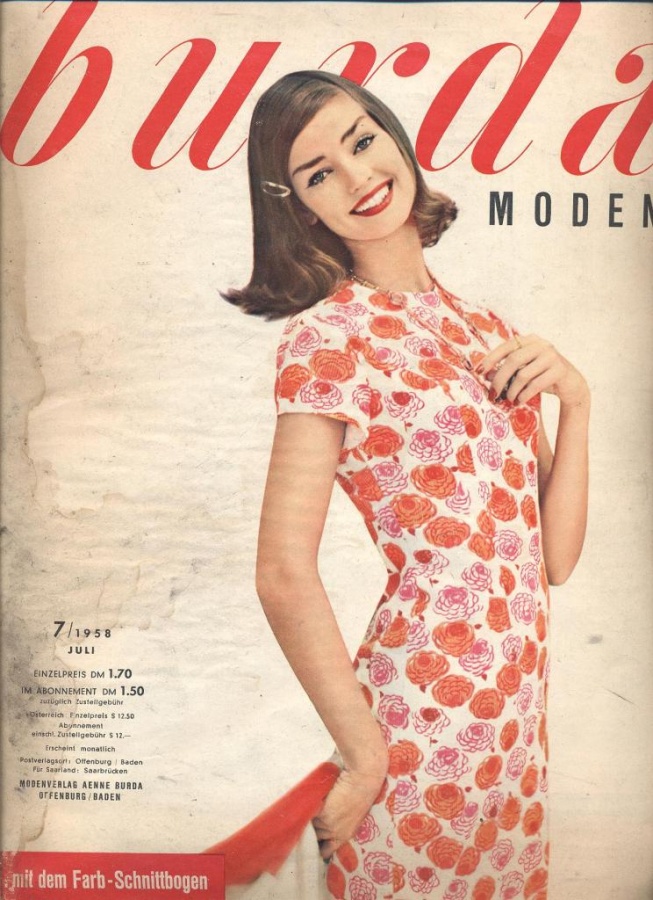
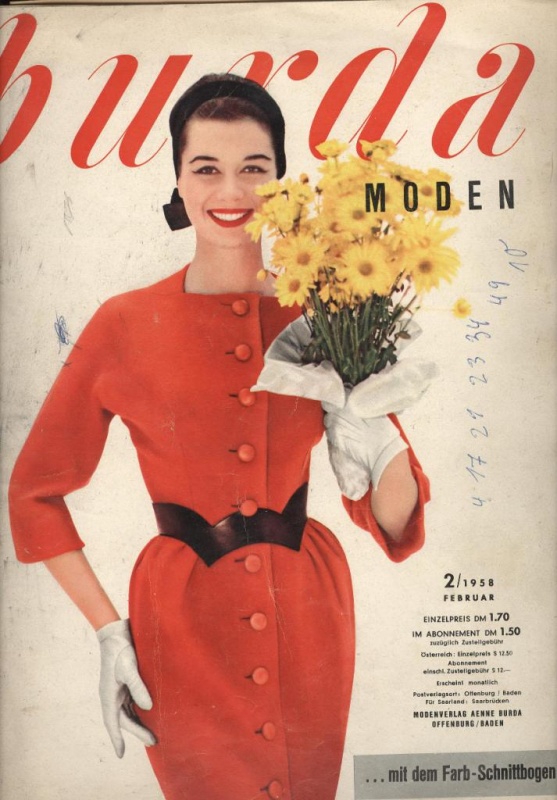
At 40, Aenne found out that her husband had been cheating with his secretary for a long time and that she had child. On top of all her husband gave his mistress one of the printing shops and the fashion magazine Effi Moden. But with the help of a lawyer Aenne took the magazine from her husband's mistress and became the head of it. At that time, magazine did not bring income and was not popular. The new concept was quite simple: comfortable and elegant outfits, quality patterns, recipes and tips for improving the home. The magazine was designed for ordinary women with an average income level. Aenne did not blindly followed fashion trends, she was searching for her own style.

Aenne Burda.
The first issue was published in 1950. In the postwar period, women in Germany dreamed of inexpensive, comfortable to wear and beautiful clothes, and already in the first six months the magazine circulation grew from 100 thousand to 500 thousand copies. Aenne wisely forgave her husband, who later became a junior partner in her business, and the magazine received a family name. What's interesting Aenne herself was not fond of sewing, nor of other women's hobbies . She only loved to cook.
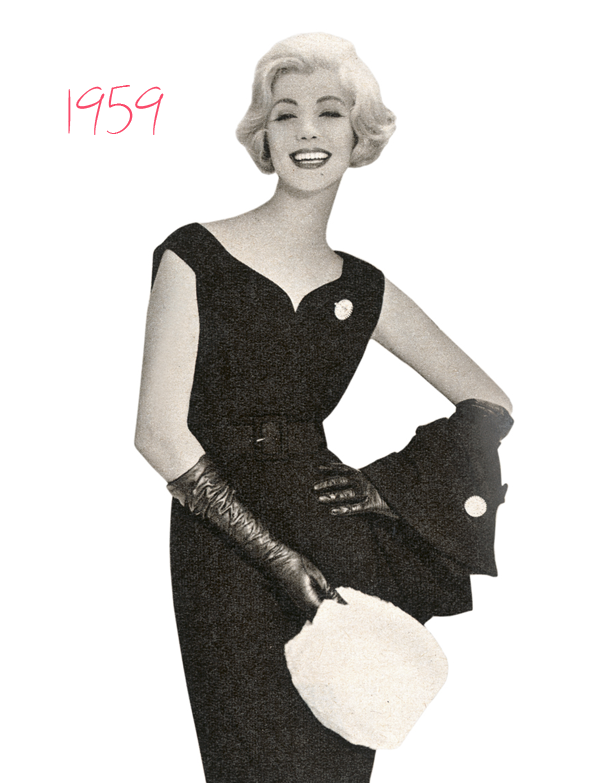
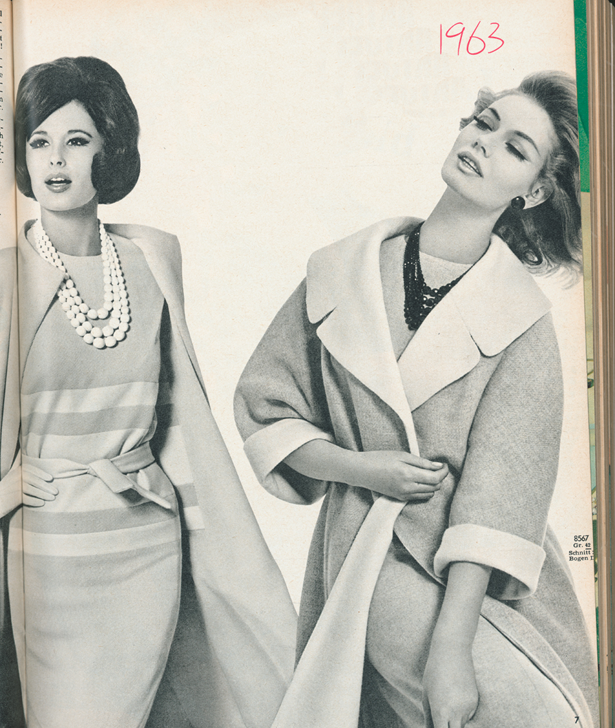
Aenne Burda attended Paris and Milan fashion shows, and then adapted new ideas for her magazine. Until the age of 87, she ran the business on her own, and after her mother's death in 2005, her younger son Hubert inherited the fashion empire.
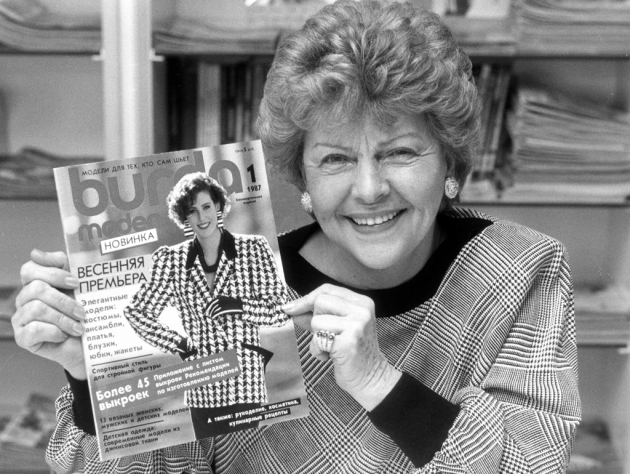
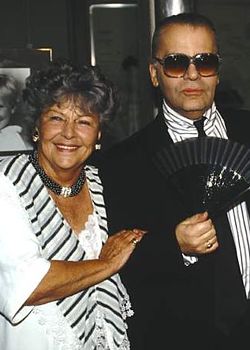
The hometown of Aenne - Offenburg - is called jokingly by Burdapesht, and one of its streets received its name. Today the magazine does not enjoy the same incredible popularity as it did in the 20th century, but continues to exist.




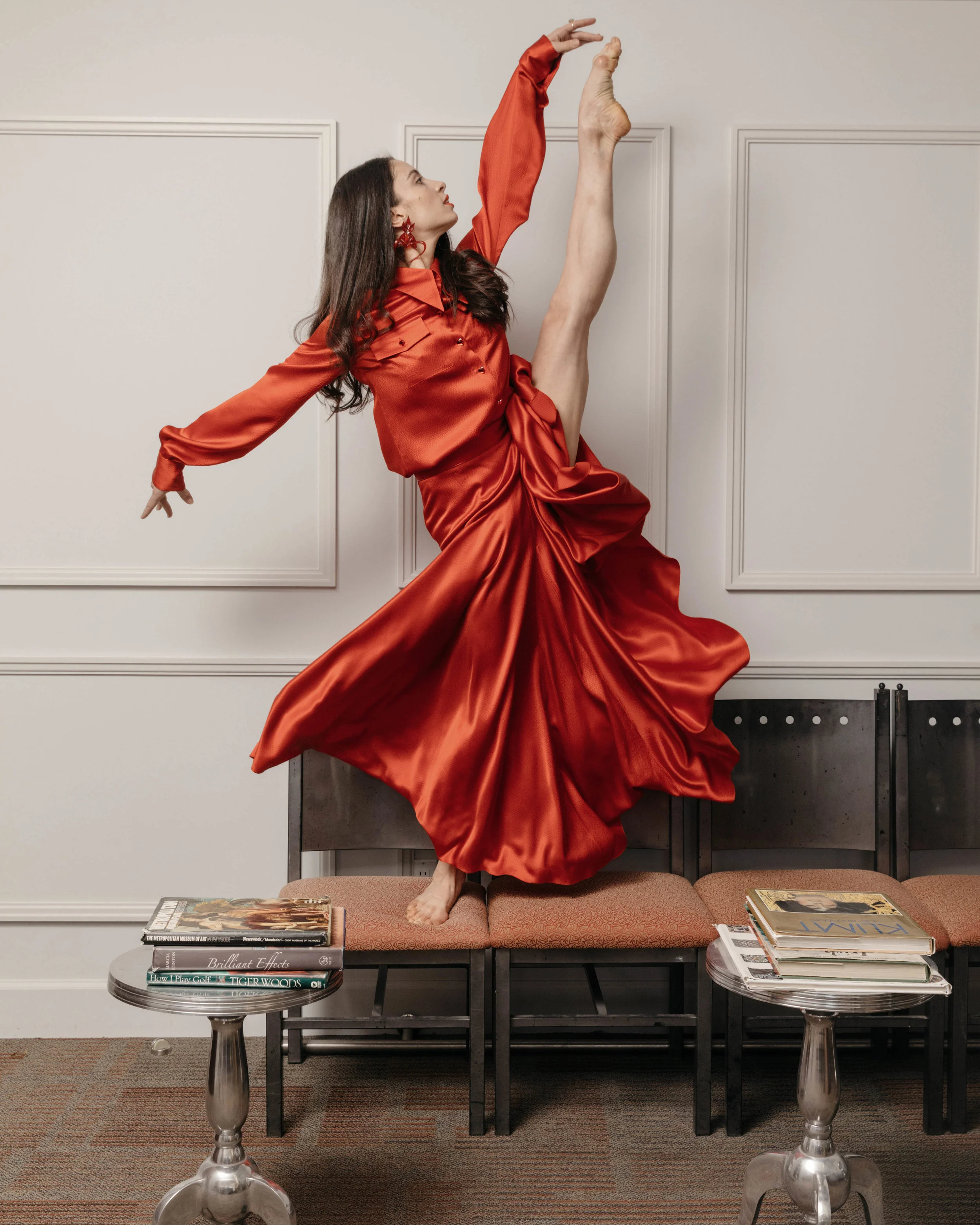
Feel the Beat: Dance in Photographs (May 16, 2026–Jan 31, 2027)
SF MOMA