Instagram: Silvia Sala Photography
Website: https://silviasalaphotography.com/

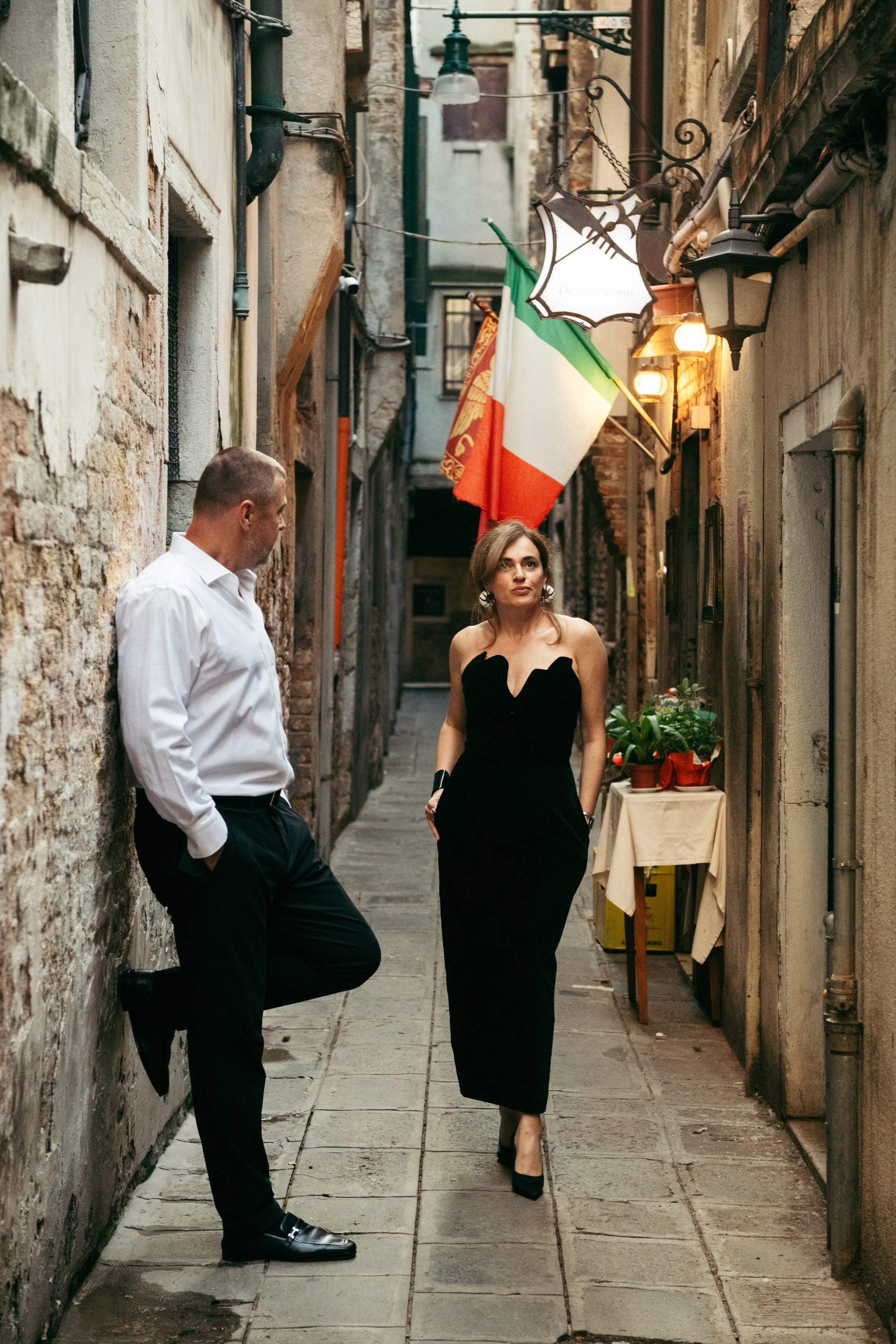
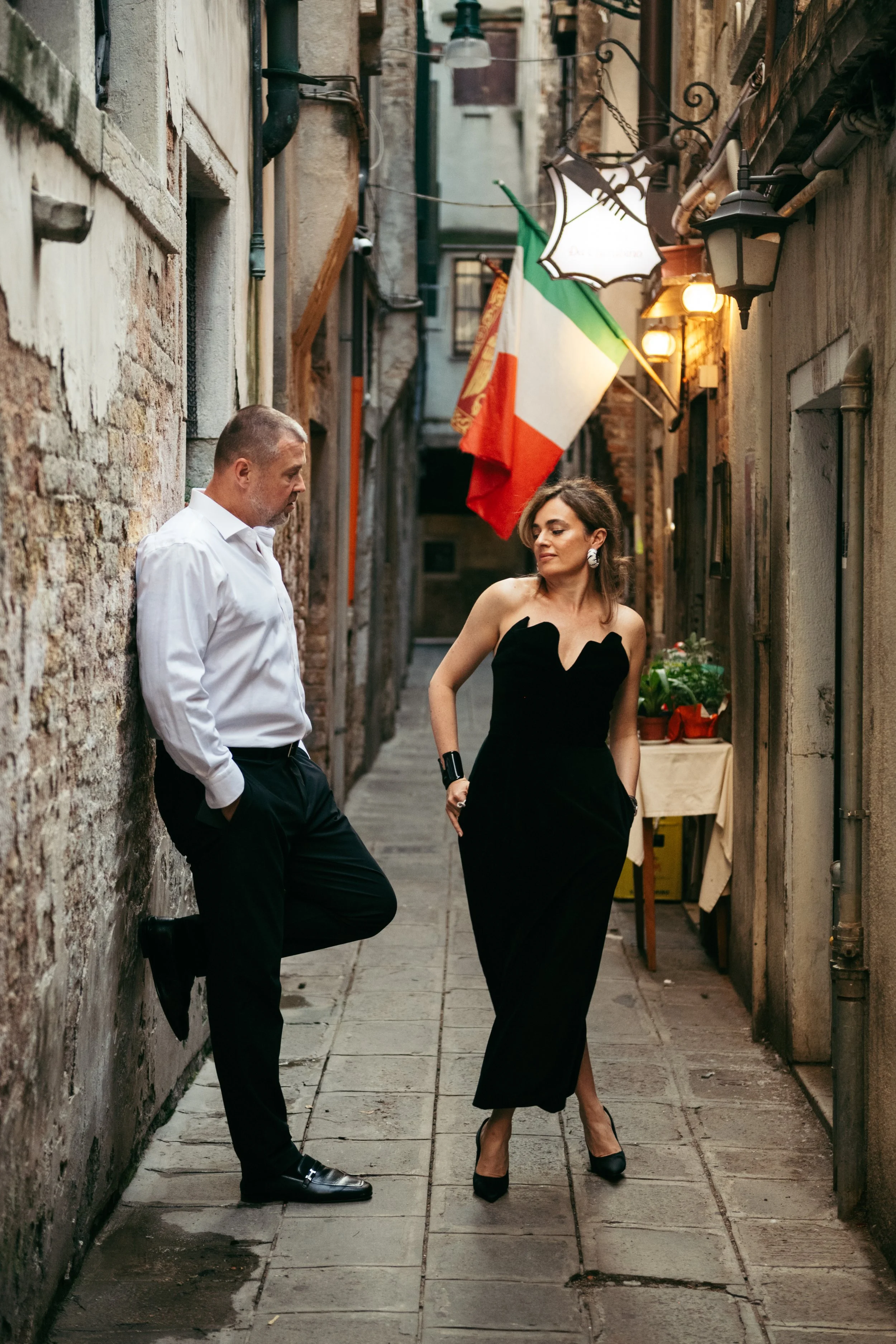
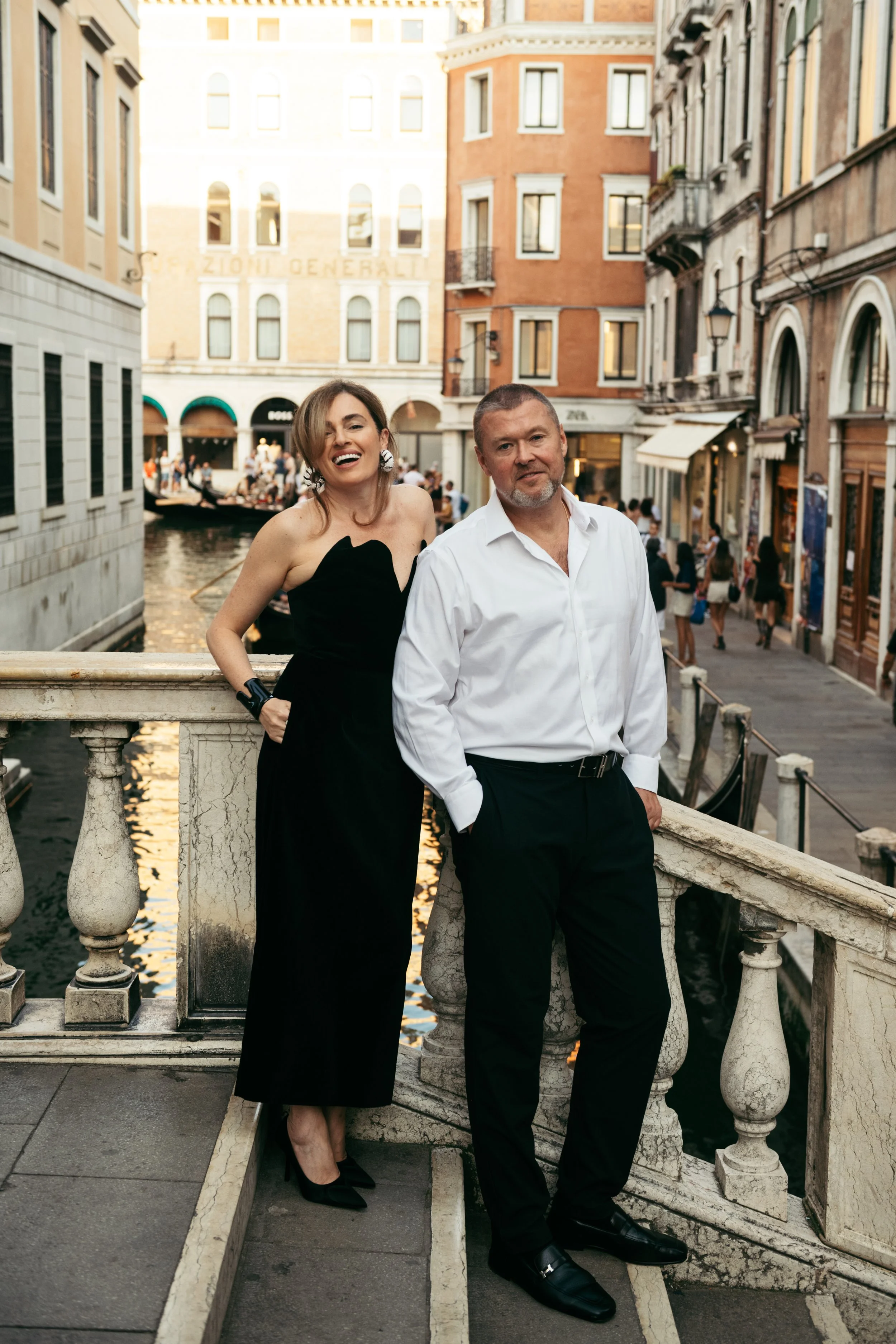
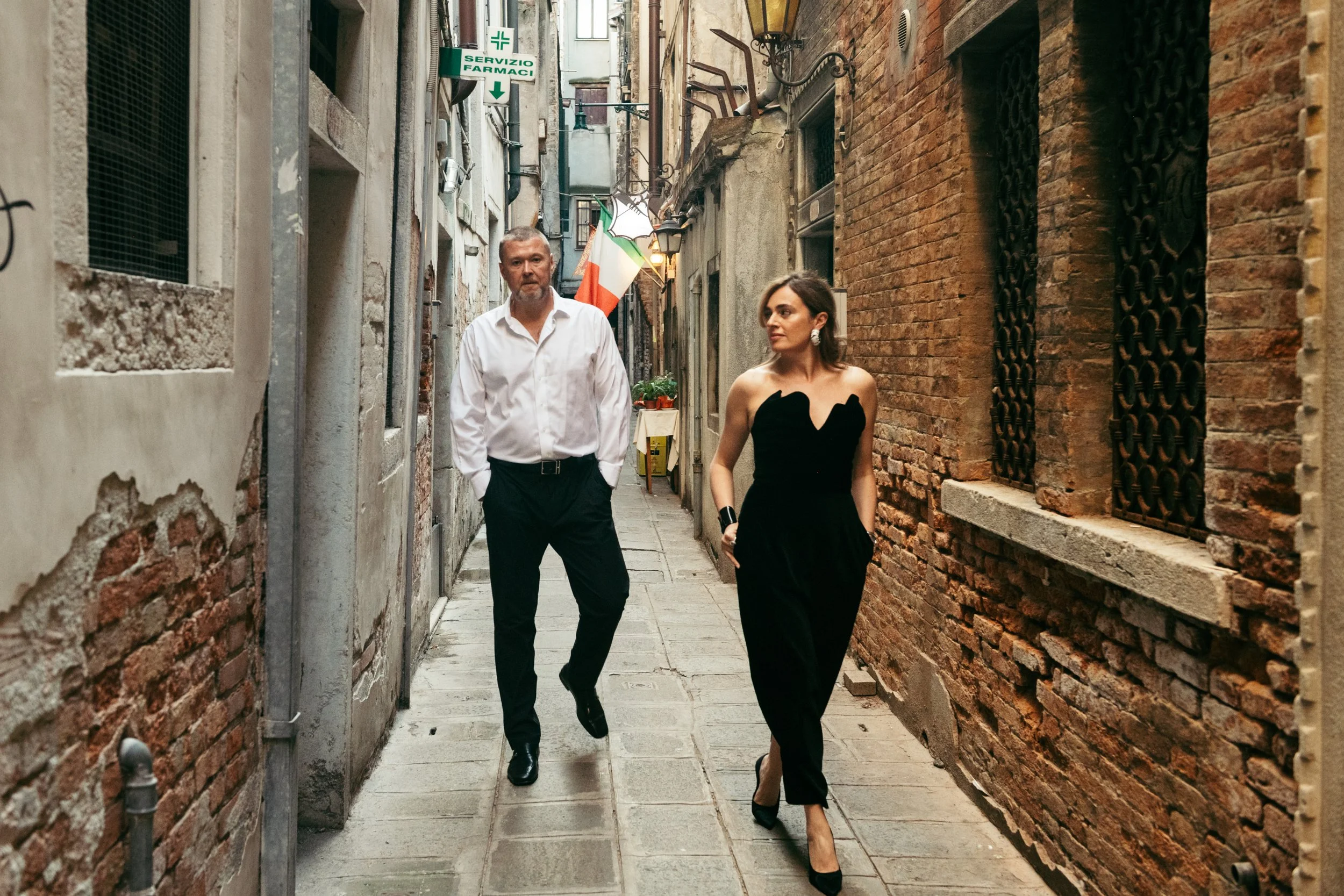
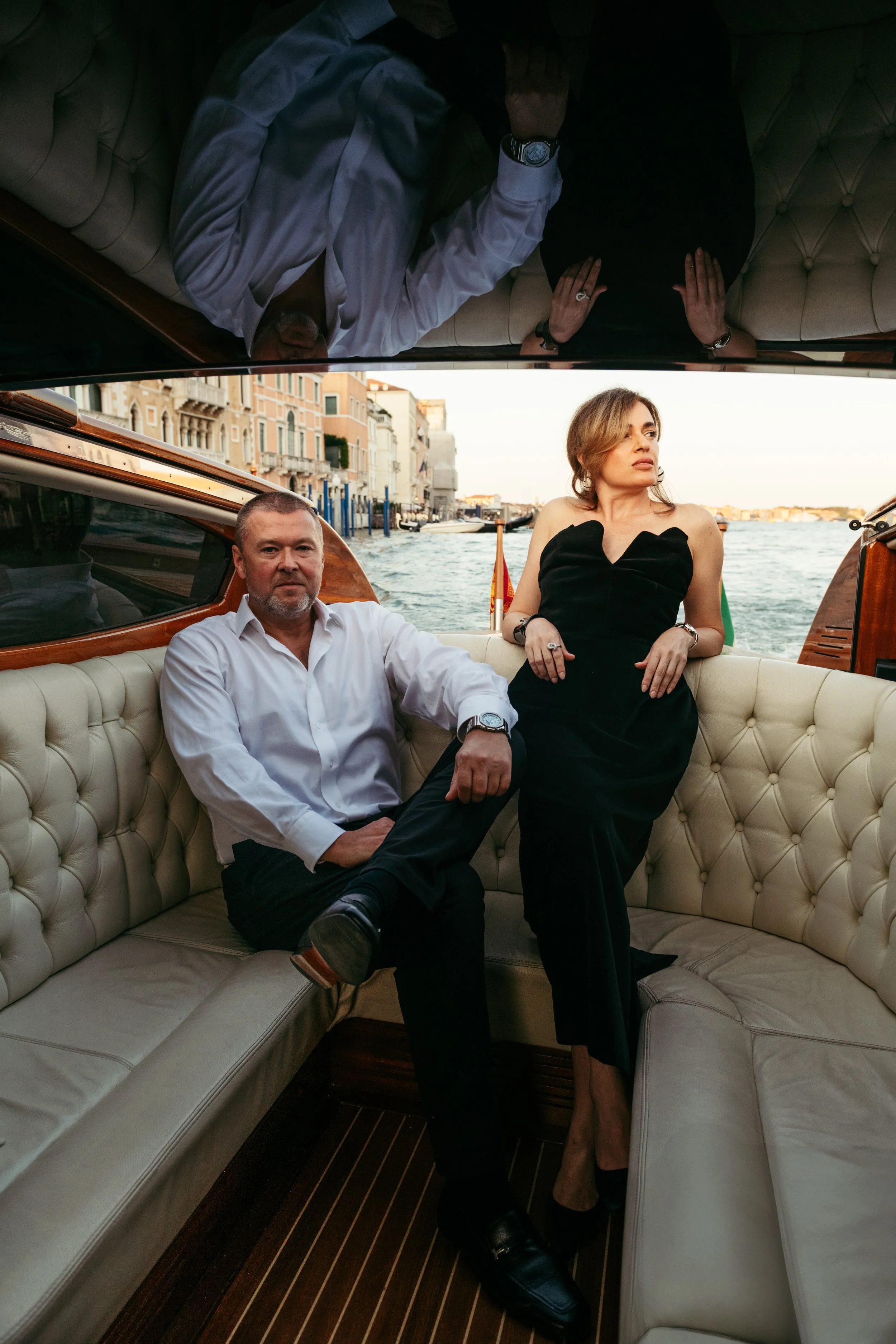
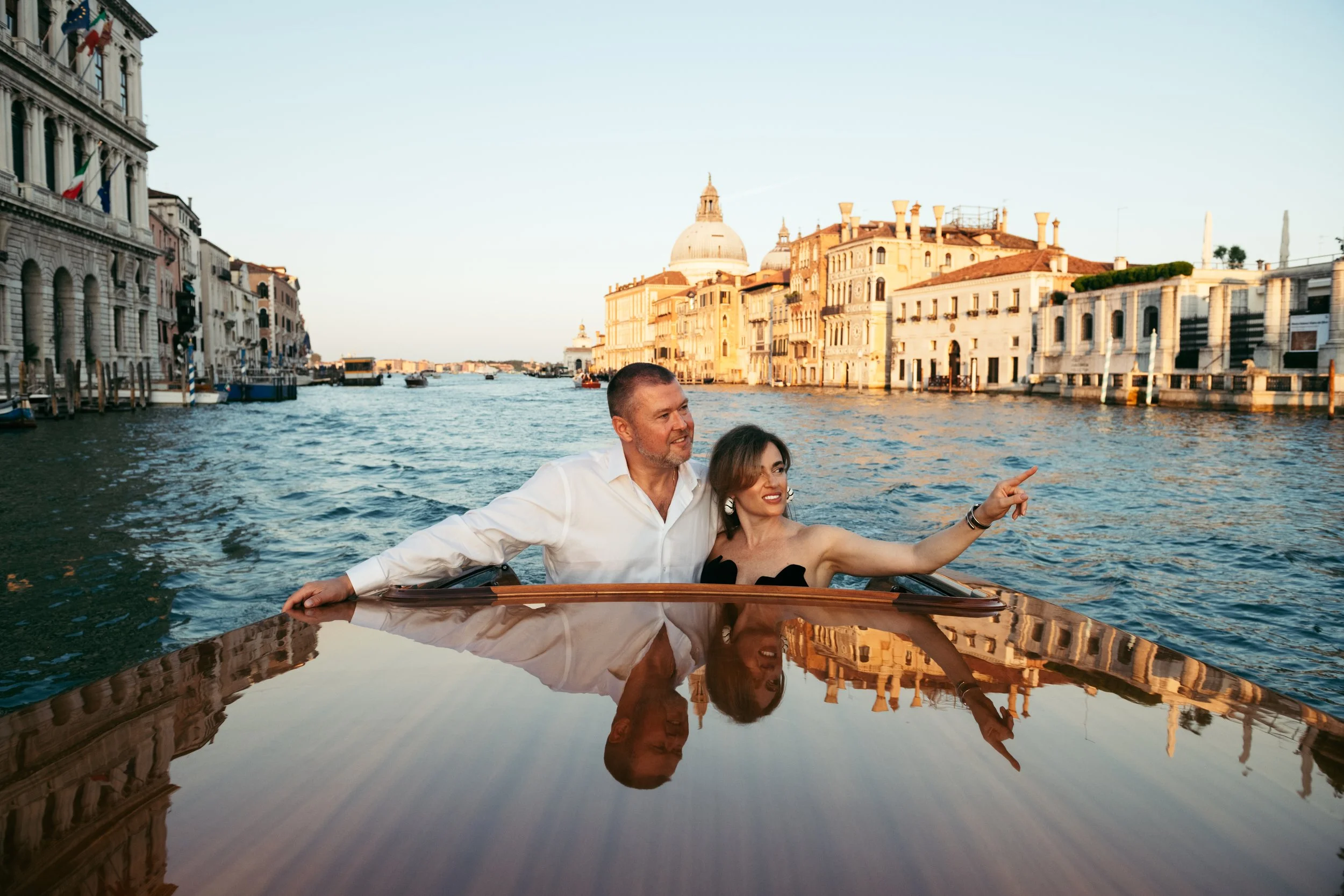
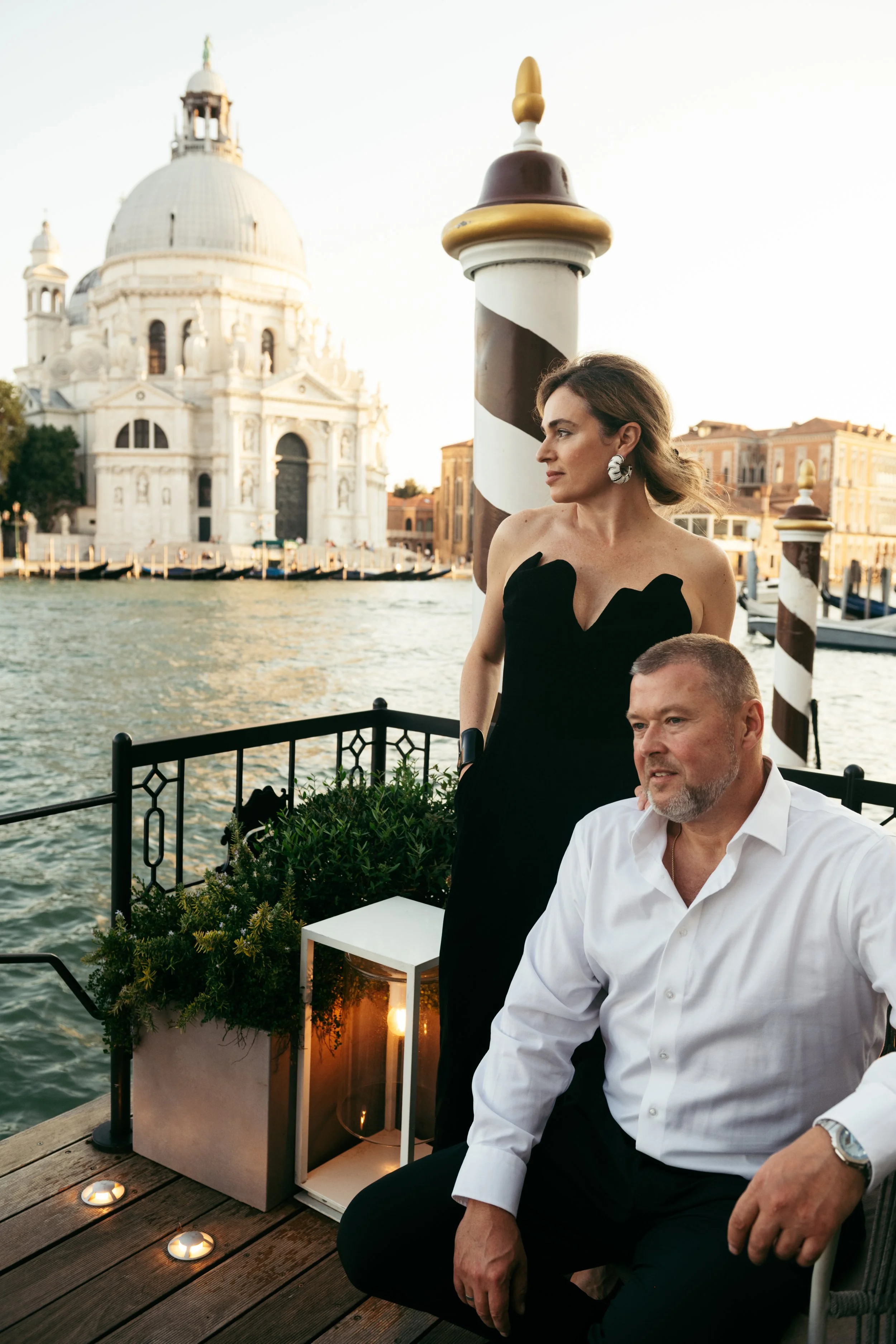
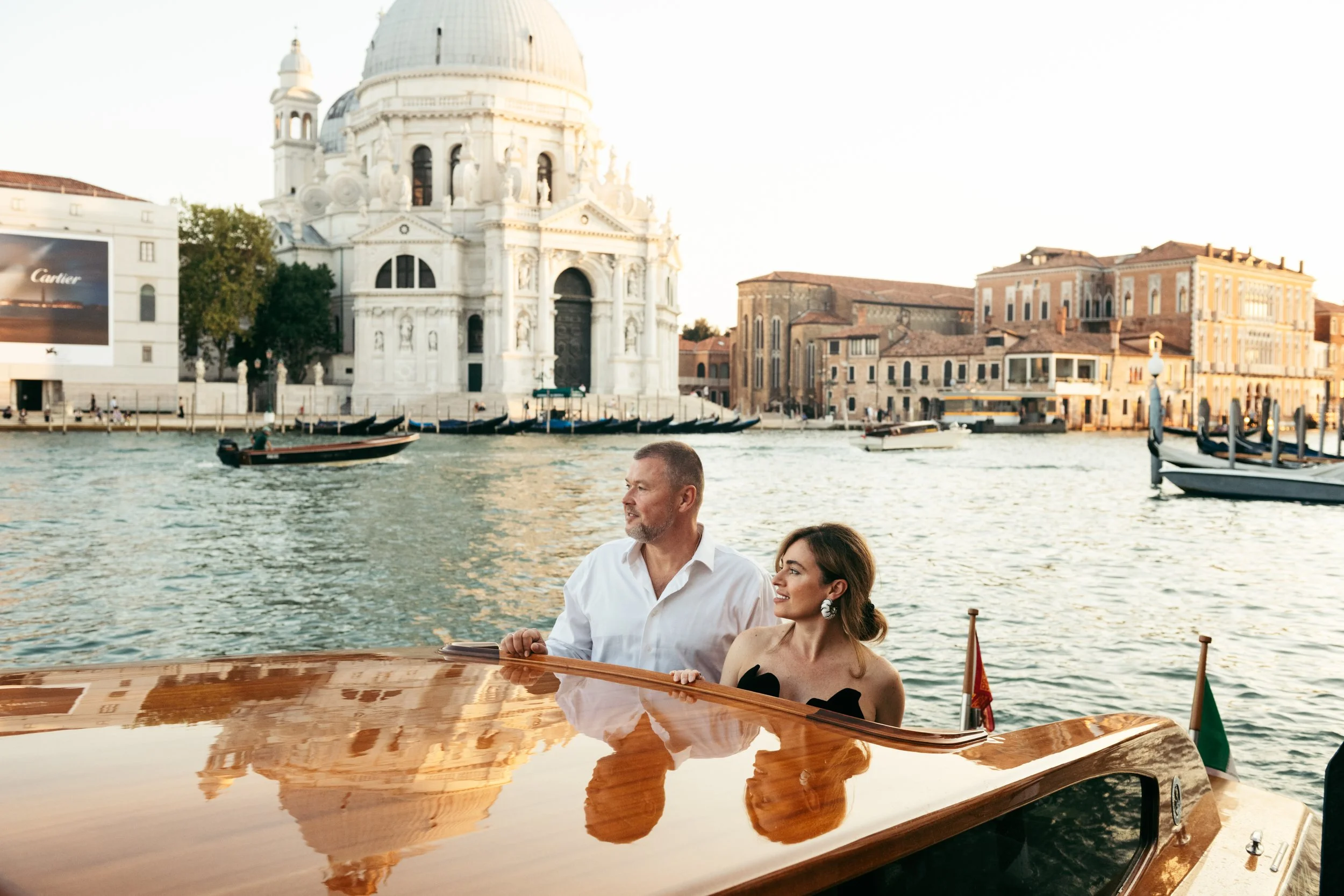
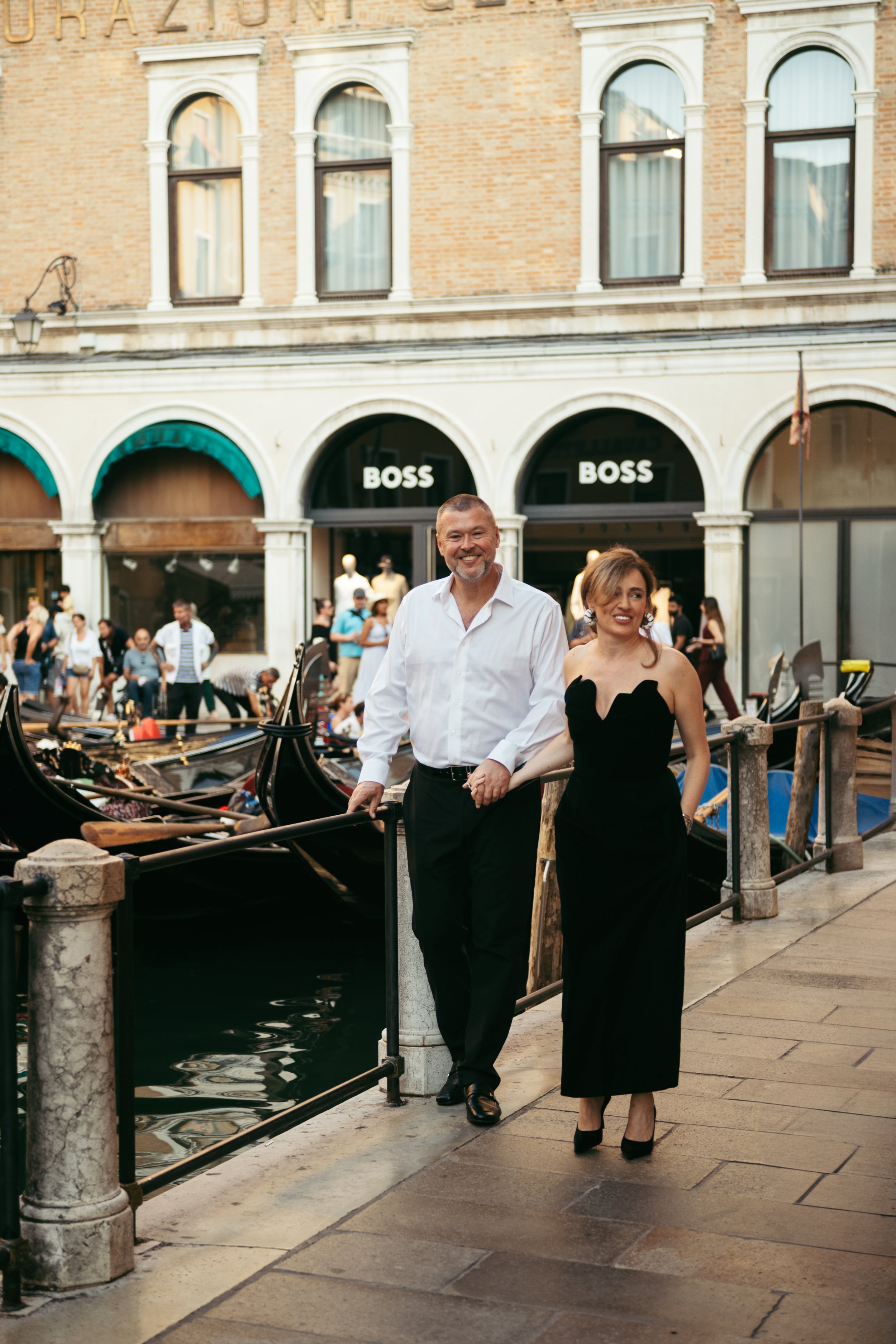
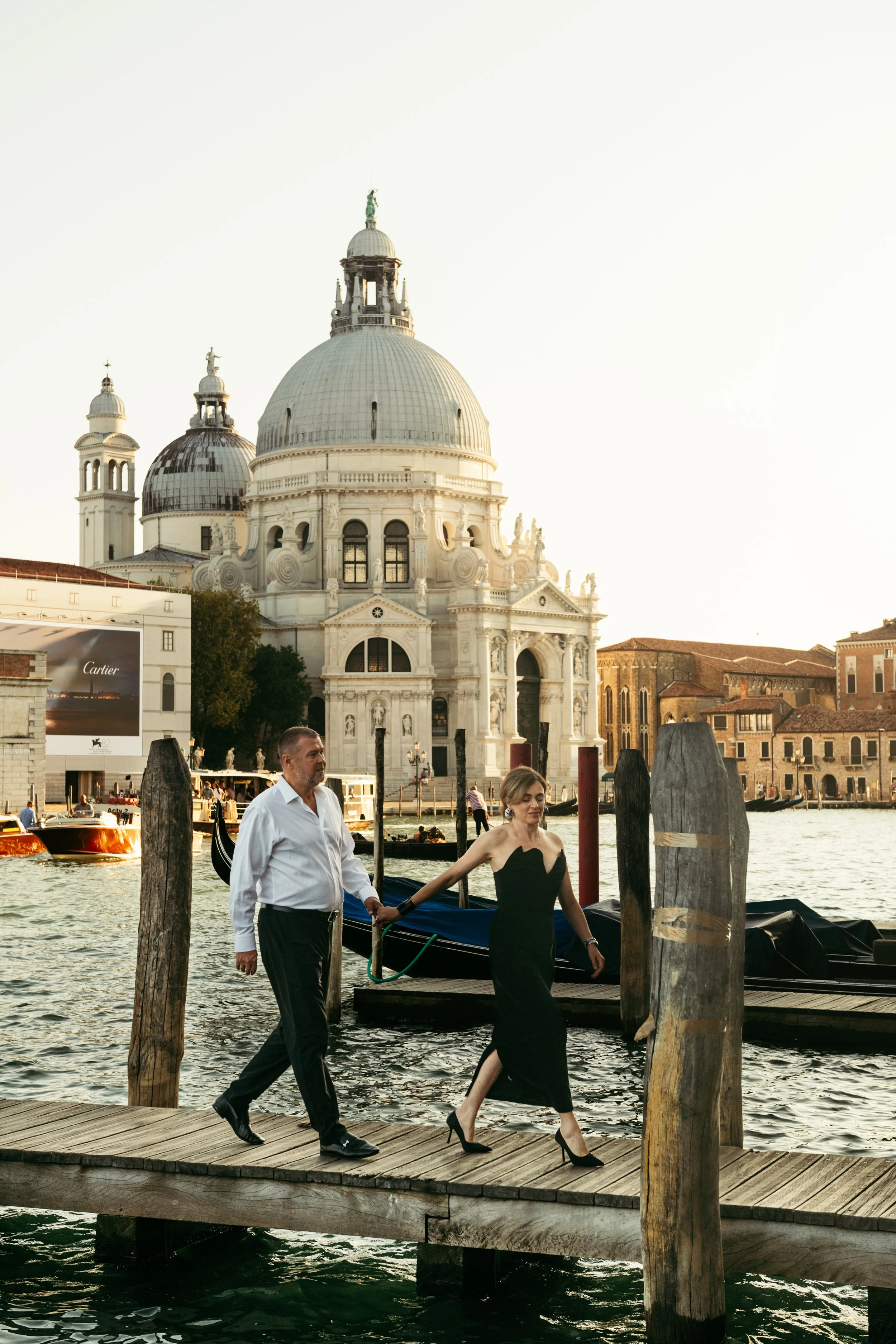
Silvia Sala is a photographer based in Venice, Italy, a city renowned for its picturesque canals and romantic ambiance. Her work focuses on capturing unique, candid moments of couples, often set against the iconic backdrop of Venice’s waterways and historic architecture. Each photograph conveys a distinct narrative, distinguished by her use of diverse color palettes. During a recent visit to Venice, our team had the opportunity to discuss with Silvia her artistic approach and dedication to her craft.
Where were you born? I was born in Bergamo, a very beautiful town not far from Milan, Italy.
Where do you reside now? Since 2011, I’ve been living in Venice.
Who or what sparked your interest in photography? I’ve loved photography since I was a child. Around 2001–2002 my dad bought a digital camera, back then they were new, expensive, and not even that great in quality. I still remember being so proud of a simple photo I took of a bee on a flower on my balcony. I loved the idea of capturing beauty and freezing time. As I grew older, especially around 14–15 years old, that passion only grew stronger. I photographed everything: my friends, nature, little everyday details. Everything felt worth preserving, because life is beautiful and the only way we have to freeze time is through photography (and sometimes writing, which is another passion of mine).
Can you recall the first photograph you ever took that made you think, "This is what I want to do"?
There isn’t one single photo, but I always felt this was what I wanted. When I was in elementary school, our teacher took us to visit a local photographer, who showed us how light changes a portrait. I was only 8 or 9, but I instantly fell in love with it and started saying I wanted to become a photographer when I grew up.
What was the biggest challenge you faced when you were starting out, and how did you overcome it?
The hardest part was my own mindset. I grew up believing it was “impossible” to become a photographer: too competitive, too unstable financially, too many risks. But the pull was too strong. I started while keeping a side job, and once I realized I could actually make a living from it, I went all in. Best choice I ever made. Over time I’ve learned that growth never stops, I keep working on both my photography skills and my business and marketing strategies.
What is your philosophy on post-processing and editing?How much of the magic happens in-camera versus on the computer?
Editing is half of the process. Every photographer has their own style, and the way you edit changes everything, warm or cold tones, moody with shadows, or bright and airy. Of course, you need to master your camera and light first, but editing is essential. Unless you’re shooting film and leaving it all to the lab, digital photography isn’t complete without thoughtful post-processing.


How has the evolution of technology (AI) impacted your artistic process over your career?
As a portrait and elopement photographer, I don’t think AI will ever replace what I do. Who would want AI-generated photos of themselves in a place they’ve never been, or of their actual wedding? That said, AI is useful for small improvements, like removing unwanted people or distractions from the background, reducing noise, or rescuing a shot in poor lighting. I never manipulate my photos too much because I want them to feel real but AI can help polish without taking away authenticity.
What advice would you give today to your younger self when you were first picking up a camera?
Keep going! Keep exploring, bring your camera everywhere, and don’t worry too much about the result. Dare more, experiment more, and don’t get stuck in perfectionism. (That’s still advice I give myself even today!)
What makes a photograph "great" instead of just "good"?
Sometimes it’s luck: the perfect light, a fleeting shadow, a spontaneous moment. But most of all in my opinion a great photo tells a story. You should be able to feel the emotion of the people or the spirit of the place portrayed. It has to communicate something deeper. That’s why I’m more drawn to storytelling than to overly posed editorial images.
What is the one question you wish interviewers would ask you, but they never do?
"If you weren’t a photographer, what path do you think you would have followed?" I actually think about this quite often, because photography has always felt like my true vocation. I became so focused on it that I never really allowed myself to imagine another path. I studied languages in high school and university, so I guess that could have opened different doors. It’s difficult for me to picture a life without photography, but I’m sure I would still be freelancing, I’m definitely not made for a traditional 9-to-5 job. Most likely I’d be doing something like a little B&B with unique experiences for guests or even a creative space or coworking studio where people can connect and share ideas.