
WhatsApp founder Jan Koum leaves Facebook
"It is time for me to move on”
WhatsApp co-founder, CEO, and Facebook board member Jan Koum announced today that he will be leaving Facebook. The news comes after Washington Post eported that Koum would leave due to disagreements with Facebook management about WhatsApp user data privacy and weakened encryption. Koum obscured that motive in his note that says "I'll still be cheering WhatsApp on – just from the outside."

Koum, who sold WhatsApp to Facebook for more than $19 billion in 2014, also plans to step down from Facebook’s board of directors. The date of his departure isn’t known.
Koum’s exit is highly unusual at Facebook. The inner circle of management - and the Board of Directors - have been fiercely loyal during the scandals that have rocked the social media giant. In addition, Koum is the sole founder of a company acquired by Facebook to serve on its board. Only two other Facebook executives - Zuckerberg and Chief Operating Officer Sheryl Sandberg - are members of the board.











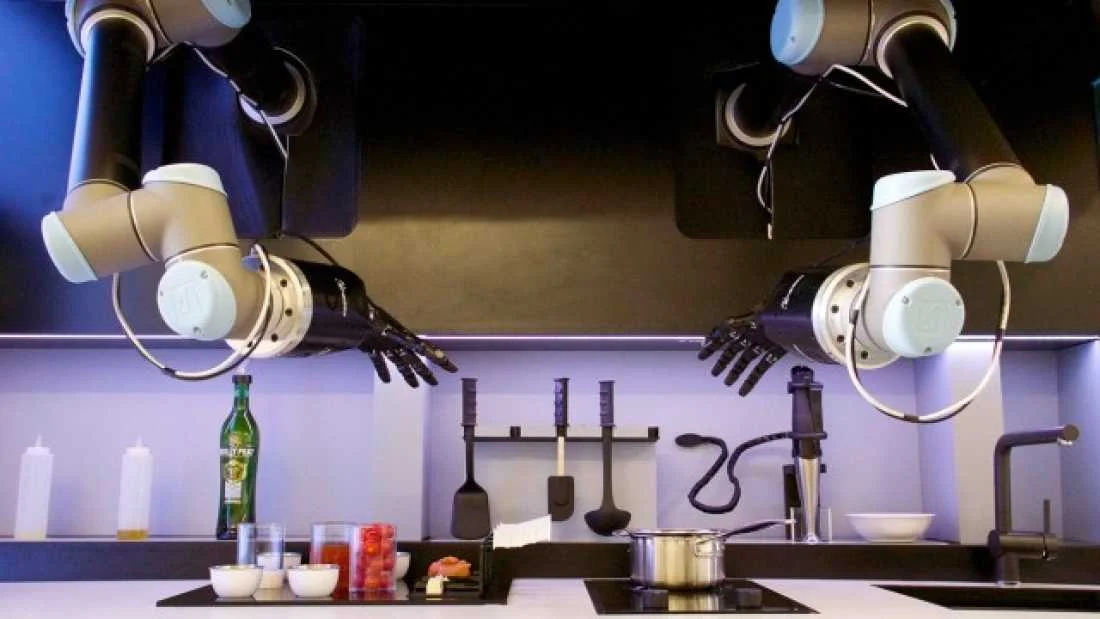
ROBOT CHEF WHO COOKS
I NEED HIM IN MY LIFE! LADIES, THIS ONE IS FOR YOU .
It’s not always easy to motivate yourself to cook a proper meal when you get home after a long day at work. London-based company Moley Robotics, has developed a prototype “robochef” designed for the home. Ladies, who is excited?
Germany’s Hannover Messe technology fair presented the machine which consists of two remarkably dexterous robotic arms installed atop a cooking area, complete with hobs, a sink and an oven. The robot’s sophisticated and fully articulated hands were created by another London based firm, Shadow Robot Company.
Rumor had it was suppose to be available for purchase in 2017. Robot chef comes with several additions, including a library of thousands of recipes, a dishwasher and a refrigerator. So you don't cook and don't wash dishes and you can control it remotely using an app.
It won’t come cheap and will set you back close to $15,000 (£10,000), but like any new technology, with time the price will go down. Who is excited?





Supermodel Natalia Vodianova Releases cryptocurrency LoveCoins
Supermodel and actress Natalia Vodianova released philanthropic app Elbi with the help of which you may send money to philanthropic organizations in exchange for cryptocurrency called the LoveCoin.
Owners of LoveCoins can get brand items like Givenchy, Dior, Fendi and Chrisitan Louboutin. Users of the app also receive a chance to compete for exclusive items from Louis Vuitton and Messika. Winner is the one who receives biggest amount of LoveCoins in 24 hours.
The app is available in Android only and for now is used in Canada, India and Russia. According to Elbi team the app is going through approval process with App Store.



HOW DO THEY SPARKLE ON INSTAGRAM - APP THAT KNOWS
PERFECT FOR THIS HOLIDAY SEASON
So you've been browsing instagram and noticed people are sparkling and shining in their posts and you ask yourself, how do they do it? Ask no more. Glittery Kira Kira is the app of the year. It's not only a fun addition to the instagram glam world, but perfect timing for the release. Why not shine during this holiday season with Kira Kira. Kirakira+ was ranked the third most popular paid app in the Apple App Store. What's your next app idea, huh?






APPLE JOINS INSTAGRAM
That's right! Apple has finally launched an Instagram account and it's a must-follow. We have the details!
The Cupertino-based company launched an account with Instagram. It joined affiliate accounts including iTunes, Apple Music and Planet of the Apps. Already 574,000 followers and only 18 posts.
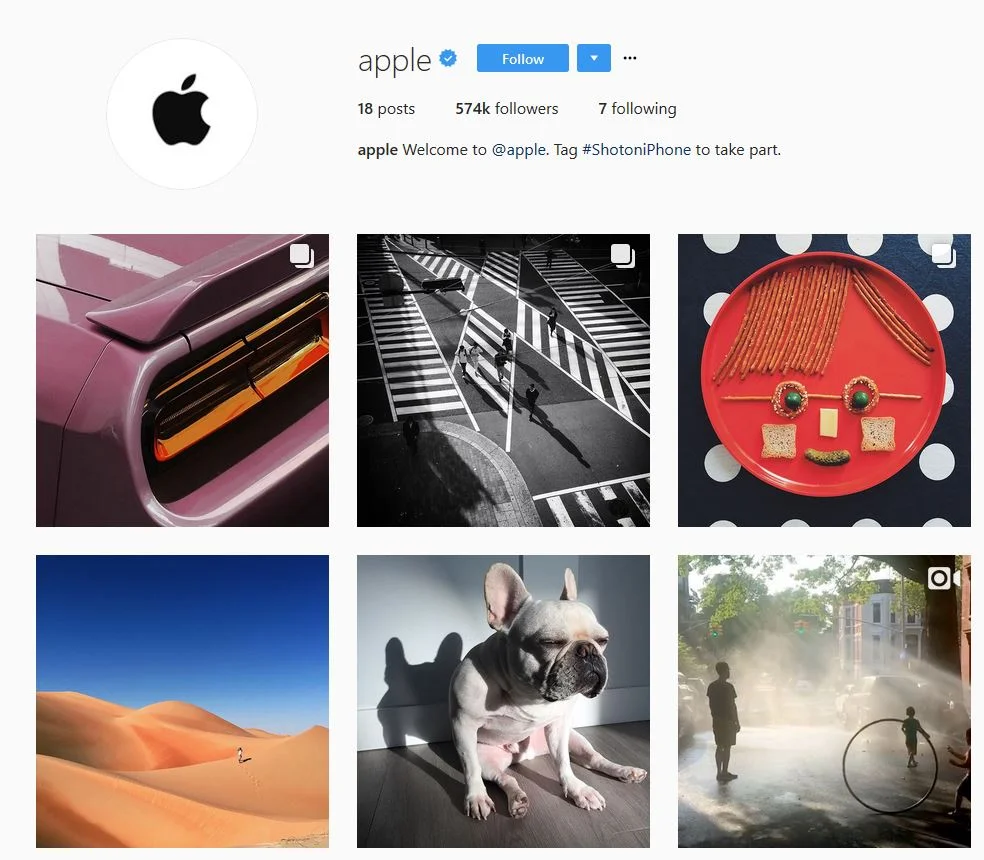
The new account features iPhone and it's photography and videos highlighting mobile device's stunning image making capabilities.








IS SOUNDCLOUD SINKING?
Do the get another Chance?
A tense scene at SoundClound according to TechCrunch. Is the company on the verge of bankruptcy. It held an all-hands meeting to explain to employees why it suddenly had to lay off 40 percent of its staff last week. 173 people were let go. The service will close offices in London and San Francisco and will leave two major headquarters in Berlin and an office in New York. That was the announcement a week back. Now in a new blog post on the site by founder Alex Ljung, he assures SoundCloud users that the site isn't going anywhere anytime soon.

There’s an insane amount of noise about SoundCloud in the world right now. And it’s just that, noise. The music you love on SoundCloud isn’t going away, the music you shared or uploaded isn’t going away, because SoundCloud is not going away. Not in 50 days, not in 80 days or anytime in the foreseeable future. Your music is safe. Along with each of you, we’ve built this incredible creative community of artists, podcasters, DJs, producers and more who are the driving force in pushing culture forward in the world. That’s not going to change. Last week we had to make some tough decisions to let go of some of our staff, but we did this to ensure SoundCloud remains a strong, independent company. Thank you for the outpouring of love and support. Some of you have asked how you can help–spread the word that we’re not going anywhere and keep doing what you’re doing–creating, listening, uploading, sharing, liking, and discovering what’s new, now and next in music. SoundCloud is here to stay.

So what change the chain of events? Rumor has it Chance the Rapper had something to do with it, at least according to sites like The Verge and Chance's Twitter.
I'm working on the SoundCloud thing

— Lil Chano From 79th (@chancetherapper) July 13, 2017


@ an artist who you wouldn't know if not for @SoundCloud

— Lil Chano From 79th (@chancetherapper) July 14, 2017


Now link me to a song on @SoundCloud that you swear you're responsible for like atleast a thousand plays

— Lil Chano From 79th (@chancetherapper) July 14, 2017


Just had a very fruitful call with Alex Ljung. @SoundCloud is here to stay.

— Lil Chano From 79th (@chancetherapper) July 14, 2017
Thanks Chance! But will the 173 people who lost their job get it back?
Miroslava Duma Launches Fashion Tech Lab
Commercializing new technologies and sustainable innovation for the fashion industry
Fashion's favorite Miroslava Duma launches FTL bringing cutting -edge technologies and sustainable innovation with a goal of transforming fashion industry. Fashion Tech Lab (FTL) will focus on science, biotech, nanotechnology, wearable electronics and high performance fibres and fabrics. “Millennials and Gen Z, those are the ones who demand sustainability in every single area of their lives,” Duma told BoF. “The fashion and apparel industry is the second-largest polluter in the world… I was shocked [when I found out] and started to think what we could actually do about it,” she continued. “It really had a huge impact on me. And having two kids at home, I was also looking at what I was doing, and I thought: Am I really helping anyone? Am I really making a change?”

Mira's goal is to connect technologies with the fashion industry. FTL includes an experimental lab, which develops the technology and applies it to products or garments. According to Mira it is an accelerator and an experimental laboratory, where companies can receive funding, meet with industry insiders and experiment with the latest technologies create innovative and sustainable fashion.
The secured $50 million to invest in sustainable companies like Diamond Foundry and Orange Fiber. Think of man-made diamonds and fabrics made from orange peelings. FTL has also invested in a start-up based in San Francisco exploring the production of lab-growth leathers.
Orange Fiber announced a capsule collaboration with Italian fashion house Ferragamo made with fabric from repurposed orange.
FTL is a privately-owned company that generates funding from private and institutional investors. People like fashion-tech entrepreneur Carmen Busquets, fashion designer and CFDA chairwoman Diane Von Furstenberg and Livia Firth, eco-fashion activist and founder of EcoAge on its advisory board.
This is an exciting new twist in the fashion industry with one goal and that is to make the world a better place for now and our future. Will this new approach to fashion industry take off? We'll just have to wait and see.
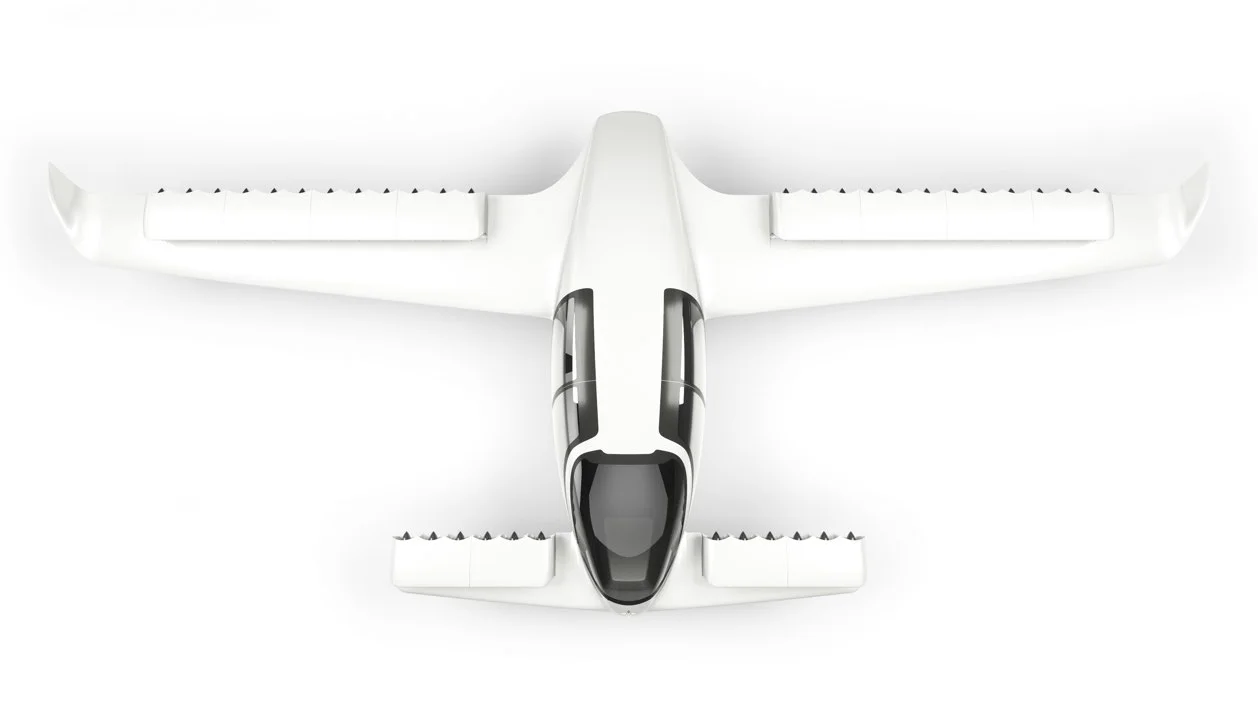
Lilium's jet-powered taxi completes its first test flights over Germany
On-demand flying taxi service it claims will be five times faster than a car.
Photo courtesy Lilium.
Uber, Lyft, Grab took over the on-ground, app-based, taxi service. German base company, Lilium prefers to command the sky.
Will our live to experience the flying car/plane?
It may not be close to reaching the vision, but it already overcame its major obstacles following the initial test flights of its electric plane.
Co-founder and CEO Daniel Wiegand told WIRED Germany, “The prototype is supposed to do two things, firstly, it will demonstrate our technology works. Secondly, it will help us collect data on test flights in order to develop the serial product in the next step."
The aircraft sits two people and is powere by electric motors. It takes off vertically and flies using the lift from its engines. For those questions the safetly, well, the entire aircraft has its own parachute. Phew.. The company quotes a flight range of 300km with a cruising velocity of 300km/h. It promises a range of 186 miles and speeds up to 186 mph, enough to take you from Manhattan to the JFK airport within five minutes. Do they take pre-orders yet? No, it isn't quite ready to take pre-orders for the Lilium yet. Its five-seater variant will have to go through years and years of testing.


Just like the music, you will soon be able to download and print your favorite dress at home.
Second industrial revolution is coming!
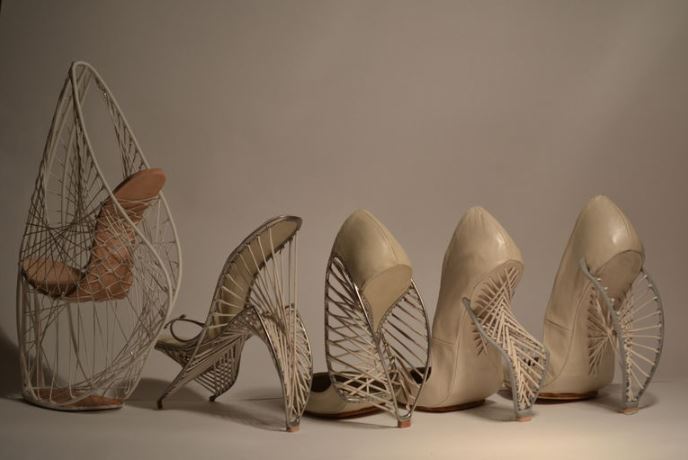
Designers have begun experimenting with 3D printed pieces of clothing while exploring a new philosophy of sustainable fashion. You know what that means? You can very soon download your own dress.
Today the fashion industry is the third largest consumer of water, slightly behind oil and corporate paper. An ongoing environmental threat and incredibly damaging.
So what’s being done? The 3D printing box.
3D eliminates waste. 3D printing eliminated transport, packaging, material, all of which require fuel, natural resource. No need to cut fabric by meter, instead, print and ready to wear. No more scissors, threads and needles perhaps.
3D printing is not entirely new to the fashion industry, as jewelry designers have for years outsourced quick modeling jobs to printing companies.

Just like the music, you will soon be able to download and print your favorite dress at home. Imagine how that would reduce the global gas bill.
Printers are getting closer to producing good fabric-like materials, using interlocking structures to create weaves and stitches.
One of the most promising design houses, XYZ Workshop, was able to make a 100% desktop printed dress using flexible PLA for around $100 in materials (assuming you already own a 3D printer). That’s a price tag most people can handle. The kicker? The dress looks amazing and totally wearable. Oh, they also released detailed step by step instructions so people can make their own saying, “In order for us as a community to advance 3D printable fashion, we believe we can help stimulate and encourage experimentation by publicly providing the design files.” Classy move guys.
The future is coming. 3D printing will save the planet!
Hello, World!
Breaking: Google Acquiring Spotify In $41.1 Billion Cash, Equity Deal
Roughly $41.1 billion in cash and equity
The news was first reported by the Wall Street Journal this morning. It is a clear pointer that Google going to get into competition like Apple Music. Apple Music, right now, has more uique users than any of their competitors. But Spotify is now reaching its 50 millionth paying subscriber.

“We’re thrilled to bring Spotify into our family of music properties,” Google Music executive vice president Nathan Rutherford said.
“Now, we can combine the best of three worlds: Google Music, YouTube Music, and Spotify.”
Investors Goldman Sachs, Kleiner Perkins Caufield & Byers, Northzone Ventures, and billionaires Sean Parker and Li Ka-shing will receive several billion dollars each. As part of the payout, all artists will also receive a special streaming payout of 1-penny per-stream, for a limited 24 hours period.

Spotify CEO Daniel Ek is now one of tech’s most important entrepreneurs and visionaries.
“I’m thrilled by this acquisition and the belief that Google has placed in us,” Ek said in a statement. “While we’ve operated as healthy competitors to this point, I think we always considered joining together. We want to help build the future of music consumption and a place for artists to grow.”
“Napster offered a glimpse into the future of music technology,” Parker said. “Now, eighteen years later, Google is helping us fulfill that vision in the best, most powerful way possible.”

Elon Musk's SpaceX launches recycled rocket in historic first
What it means for Elon Musk

A “flight-proven” rocket, as Elon Musk’s SpaceX likes to call it, launched yesterday at 6:27 p.m. and marked the first time that a rocket had flown to orbit, landed vertically and then been reused. The Falcon 9 rocket was launched by SpaceX one year ago. It took years of work and unsuccessful attemps. Back in December 2015, SpaceX landed its first rocket on a landing pad at Cape Canaveral. Few month later they did again at sea. “An incredible milestone in the history of space", excited and emotional Musk said of the launch. The rocket is guided by computer algoriths and GPS navigation. It entered the Orbit, performed circles and turns, and then returned to Earth by firing the engines again until they touch down softly. The goal of the company is to reach Mars.
“This is going to be ultimately a huge revolution in spaceflight, It’s the difference between if you had airplanes where you threw away an airplane after every flight versus you could reuse them multiple times.”




$314 TIE IS BIOTECH BREAKTHROUGH IN FASHION
After years of research, the biotech startup Bolt Threads is debuting its lab-grown proteins in the real world.
Spider silk is a protein fibre spun by spiders. Spiders use their silk to make webs or other structures, which function as sticky nets to catch other animals, or as nests or cocoons to protect their offspring, or to wrap up prey. Spider silk is also one of the design industry's biggest—and most elusive—material obsessions because it's naturally lightweight, stretchy, antimicrobial, and strong.
Year to year we've been told that soon, we will wear garments made from this wonder material, and even see it in medical applications. However, last we heard it was in research and yet to hit the consumer market.
But, Bay Area biotech company Bolt Threads launching a limited-edition synthetic spider silk tie. You'd never guess that the tie was made in an industrial lab by the appearance or feel. It looks like a fashionable Bouclé knit you'd find in a GQ spread.
Only 50 ties are being made by Bolt Threads each available at a cost of $314. And if a prospective buyer is ready to shell out that sum, they'll have to enter a lottery for the chance to buy one.
"This marks the end of a chapter of this technology where it was all research," Dan Widmaier, Bolt Threads' CEO, says. "I see the ability to put out a fully baked, commercial product as marking the moment where were ready and able to make cooler products."





DID YOU GET YOUR SPECTACLES YET?
A pair of smart glasses by Snap that records the world from your point of view. Do they come in Chanel?


Spectacles are sunglasses that Snap! Tap once to make a memory — from your perspective. Then, relive it later in Snapchat. Are you intrigued?

There’s now an easy way to buy them. The distinctive-looking glasses, called Spectacles, are finally going on sale through a website: spectacles.com. The glasses, with a push of a button, record circular video in 10-second increments that make their way to your phone. Do they come in Chanel?
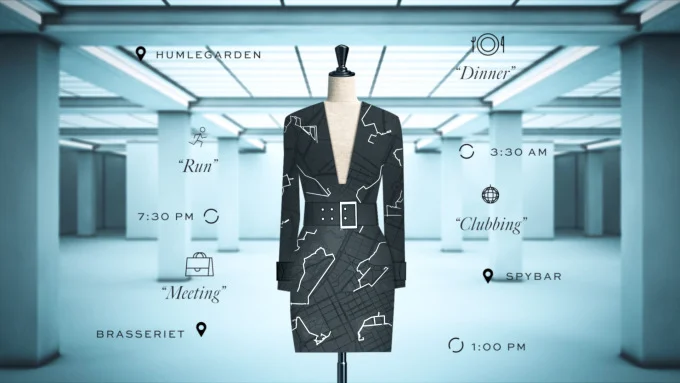
The "Data Dress" by Google
Wearable tech
Google introduces a new Awareness API that would allow for smarter applications that could understand where you were, what you were doing, what’s nearby, and even the weather, in order to more intelligently react to your current situation. A new application in the form of a dress introduced by Google today. Yes, a dress is taking advantage of this sort of data. Official name is the "DataDress"
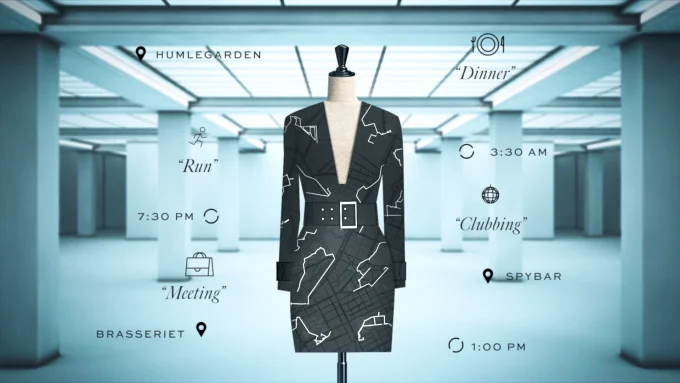
Google teamed up with H&M’s digital fashion house Ivyrevel on a project dubbed “Coded Couture.”
Through a forthcoming Android application, users can consent to have their activity and lifestyle data monitored – by way of the Awareness API – to create a their own, personalized, custom-made dress that’s ordered through the app.
The Android app being developed now will use the Snapshot API to monitor the person’s daily activity and lifestyle, including things like where they traveled, where they eat dinner or hang out with friends, the typical weather in the area, and more. This information is collected over a week’s time, then used to create a digitally tailored dress that can be bought within the app.

Google wants you to translate your life and your lifestyle into a unique, wearable look. But in reality, the resulting creation mainly displays your routes and routines as lines on map. Users can also choose which style of dress they want, whether a look for work, parties, or formal events.
Google says that the choice of material, color, embellishment used, and added details like belt and cuffs are data-driven, as well. For example, the material will be selected based on weather data like the temperature and the fit will be based on the wearer’s activity level.
Currently, the app is in a closed beta and being tested by a handful of style “influencers,” including Ivyrevel’s co-founder Kenza Zouiten.
The custom dresses will start at $99, and the app will release later this year.

First robot-powered coffee kiosk in San Francisco
A 23-year-old college dropout just opened a robot-powered coffee kiosk in San Francisco

Henry Hu, 23, loves coffee and hates waiting in lines at coffee shops. The college dropout and recipient of the prestigious Thiel Fellowship throws back about five cups of coffee a day on average.
Henry really did not like to wait in lines for that cup, he invented Cafe X, so his other coffee fiends in San Francisco could now get their fix in seconds.
Cafe X claims to be the first robot-powered café in the US. The kiosk takes customers' orders from a number of tablets stationed nearby, and serves coffes, lattés, and cappuccinos made with beans from local roasters. As of January 30th it is available at Metreon shopping center in San Francisco.

The robot performs a pre-defined set of motions, such as moving a cup from under the milk dispenser to the syrup dispenser, or delivering a cup to the window where the customer is standing.
Is it incredibly fast. Cafe X is capable of preparing between 100 and 120 drinks per hour, depending on the complexity of the orders, according to Hu. Customers can choose the brand of beans and customize the amount of milk and flavors used.
Go ahead, try a latté made with hazelnut syrup and milk and you'll be surprised to find it tastes amazing. It was rich and creamy, unlike coffee beverages dispensed from a vending machine.
Hu got the idea for Cafe X while he was studying technology and entrepreneurship at Babson College. After tinkering with friends and Hong Kong-based programmers he found online, Hu sold his car and acquired funding from a friend's family to get the business off the ground.

When Hu learned he was accepted into the Thiel Fellowship, which gives $100,000 to young people who drop out of college to pursue their entrepreneurial interests, in June 2016, he said he was "really surprised." Hu said he hasn't met the program's founder, Peter Thiel, yet. Hu is currently in talks with several San Francisco-based tech companies — "whose names you probably know," his press agent says — to install Cafe X kiosks in their offices.

Kristen Stewart releases a research paper on artificial intelligence
The "Twilight" star publishes a research paper about the artificial intelligence she used to create her latest film.
One A-lister is trying to use AI to make art, instead of just inspire it. She is Kristen Stewart, the well-known star for her role in Twilight movies. Who knew her interest was in AI. The actress releases a research paper for her screenwriting debut, Come Swim. The paper was released on ArXiv, an online research repository run by Cornell which publishes papers before they’ve been peer reviewed.

Stewart’s starting inspiration point for Come Swim was one of her own paintings. The paper describes the filmmaker’s experiments with style transfer, a popular use of machine learning that transforms one image into the artistic technique and color profile of another. Stewart and her producers used the technology to turn scenes of Come Swim into the style of Stewart’s own painting. Stewart’s co-authors on the paper are a producer at Starlight Studios and an Adobe employee, whose involvement in the film is unknown.
The paper’s most interesting aspect is its ambition: The team originally tried to tune the algorithm to transfer the sense of emotion in the painting.
“The painting itself evokes the thoughts an individual has in the first moments of waking (fading in-between dreams and reality),” the authors write. “This directly drove the look of the shot, leading us to map the emotions we wanted to evoke to parameters in the algorithm.”
According to the paper, trying to direct the algorithm into producing an artistically satisfying image proved more difficult than expected. The team cropped and added blocks of texture to the input images, so the algorithm would be sure to include those influences more heavily when making the final image.
Come Swim is headed to the 2017 Sundance Film Festival later this month and has been described as “a diptych of one man’s day; half impressionist and half realist portraits.”

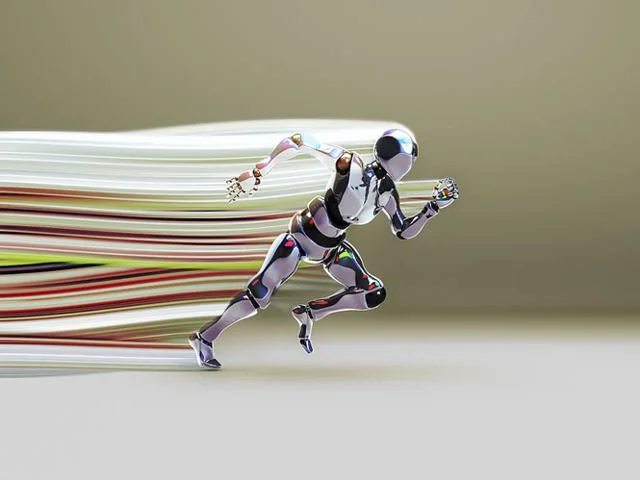
BEST ROBOTS AT CES 2017
"Technology is part of the conversation and it affects all aspects of the fashion ecosystem"
Mankind has dreamed of a robot who can help with every day tasks for quiet some time now. At at the 2017 Consumer Electronics Show in Las Vegas, Nevada, many new innovations were put on parade for our pleasure and like always, the robots stole the show.
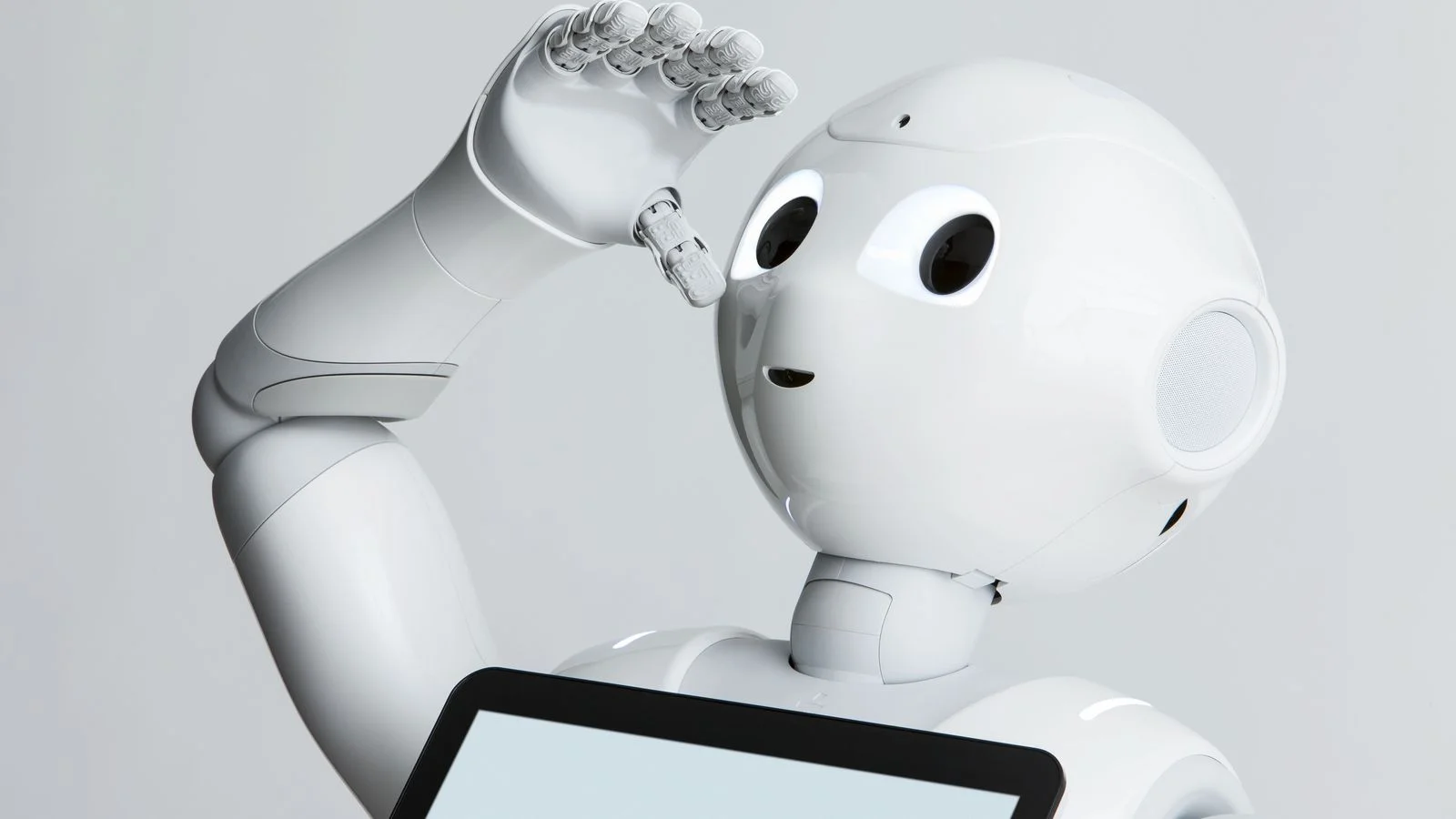
Meet Pepper - the first personal and emotional humanoid robot. It is capable of recognising the principal human emotions and adapting his behaviour to the mood of his interlocutor. Pepper is much more than a robot, he is a genuine humanoid companion created to communicate with you in the most natural and intuitive way, through his body movements and his voice. Pepper can recognise your face, speak, hear you and move around autonomously.


Meet Lynx - the humanoid from China-based manufacturer Ubtech Robotics. Unlike the prominent wheel-based models on the market, Lynx has a nimble frame and is more than capable of walking and even cutting a rug on the dance floor. This robot utilizes Alexa integration to fulfill an array of helpful tasks. All of these functions are accessible by simply stating your specific commands. Lynx is compatible with Amazon Music and Spotify, and even set up reminders for your busy schedule. Lynx will do the work for you and even read your emails aloud to you. If taking up yoga is your New Year’s resolution, you’ll certainly enjoy Lynx. Simply ask Lynx about a particular yoga pose and the robot will actually instruct you on correctly positioning yourself.


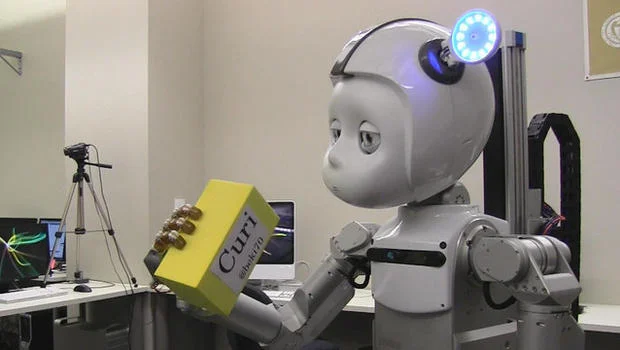
Meet Curi - Mayfield Robotics product designed with three basic ideas in mind: mobility, awareness, and personality. And what a big personality it has. The 20-inch-tall Curi blinks, glows, and even chirps playfully once the unit is addressed by name. A series of built-in LEDs also change color to let you know what kind of mood it is in at a given time. Kuri is able to create and “remember” a digital, room-by-room map of your home down to the millimeter. Just like "Ok, Google", Curi is ready to roll once you’ve spoken the wake phrase “Hey, Kuri”. The robo-companion responds to 12 other voice commands as well. Curi can also be controlled remotely via the companion Curi app. As an added bonus, Kuri also doubles as a Bluetooth-connected speaker. The built-in camera can even record and save video. Using this camera, Curi is engineered to be able to identify individuals it has come in contact with. This allows the robot to perform correlating tasks such as alerting parents when their children are home from school.
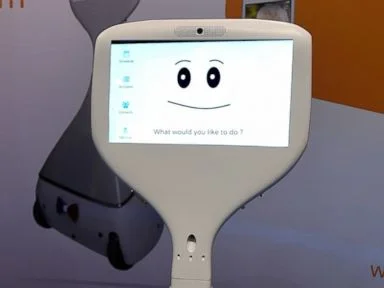
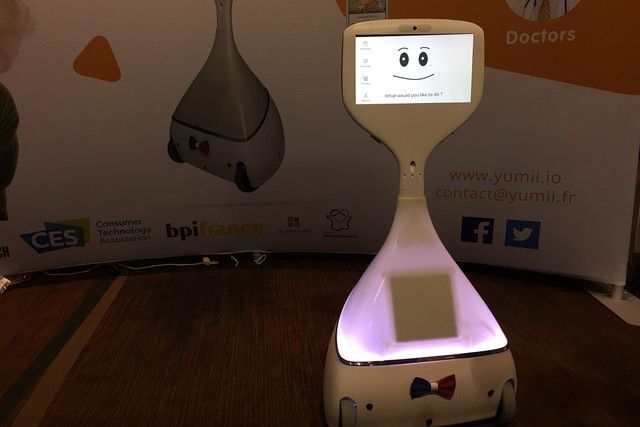
Meet Yumii with Cutii - French Startup known as Yumii with Cutii.
This helper bot has been designed specifically for at-home elderly care. The unit can respond to verbal cues and can also assist in an array of daily activities including setting up reminders and assisting with cooking. Yumii with Cutii can also allow individuals to contact members of their families and even make doctor’s appointments. This device can roam completely autonomously around the house or be simply controlled via a remote. Yumii has some pretty serious on-board software. However, the startup laid claim to some rather illustrious hardware as well when it was selected as a CES 2017 Innovation Awards Honoree in the Tech For a Better World category.

MEET J.A.R.V.I.S - MARK ZUCKERBERG'S PERSONAL BUTLER
ZUCK SHOWS OFF HIS ARTIFICIAL INTELLIGENCE BUTLER AND HE HAS MORGAN FREEMAN'S VOICE
This year Mark Zuckerberg dedicated to making a a home AI butler based on Tony Stark's Jarvis in the Iron Man films.
'My personal challenge for 2016 was to build a simple AI to run my home -- like Jarvis in Iron Man,' said Zuckerberg.
'My goal was to learn about the state of artificial intelligence - where we're further along than people realize and where we're still a long ways off.

'So far this year, I've built a simple AI that I can talk to on my phone and computer, that can control my home, including lights, temperature, appliances, music and security, that learns my tastes and patterns, that can learn new words and concepts, and that can even entertain Max.'
Zuckerberg was able to use Facebook's internal tools to create the AI.
'It uses several artificial intelligence techniques, including natural language processing, speech recognition, face recognition, and reinforcement learning, written in Python, PHP and Objective C,' he explained.
The system is modelled on the J.A.R.V.I.S. stands for (Just A Rather Very Intelligent System) system used by Tony Stark in the Iron Man films.
Take a look!
ARTIFICIAL INTELLIGENCE BY CODAME

CODAME ART + TECH is a San Francisco based company whose projects and nonprofit events inspire through experience. With the support of like-minded partners they bring innovative, independent, and creative spirit of CODAME around the world. Last night CODAME hosted Artificial Experiences event at the iconic convergence of San Francisco’s Union Square, SoMa and Financial Districts, Hotel Zetta. Number of artist were sharing their creations. Here are a few to note.

Inverse Dollhouse by Dustin Freeman who has built several low- and high-level technologies for immersive experiences. His doctoral work was Improv Remix - a Kinect interface for improv performers to create video mashups on the fly. At Microsoft Research, he did interaction design for Kinect Fusion. Most recently, he worked at Occipital on the scripting system and components of their Bridge Mixed Reality platform.


Deep Dream Vision by Gary Boodhoo who combines videogames, machine learning and interface design to rediscover ancient images — spirit animals. Born in Jamaica, his relocation to the United States provided a crash course in how to construct mythology out of the 1980's. Then computers happened and then Dungeons and Dragons happened. Today he designs and bleeds user interfaces for videogames including The Sims and The Elder Scrolls Online. His work examines roleplaying and transformation in digital environments. He lives in San Francisco and develops humane experiences with game studios and other creative clients.

Elaine Miu Cheung works at the intersection of art, design, computing and technology. Originally from Los Angeles, she explores themes relating to our embodiment of tech, future systems, and experiential interactions. As a Chinese-American, she bridges ideologies from Eastern and Western perspectives and practices which feeds into her most recent work on the nature on consciousness through wearable technologies.


CODAME enables companies to collaborate with a diverse community of artists making and hacking in a range of media—from projection mapping, motion sensors and wearable technologies to robotics, data visualization and MIDI controllers.
They build immersive, engaging, out of the ordinary experiences by: Playing together with artists, coders, designers, game developers, creators, performers and musicians.

Instagram Takes Another Step Toward E-Commerce
SHOP INSTAGRAM - New Shopping Feature To Get You To Buy More
New mini shops are being introduced on Instagram. A new attempt to sparks sales of products in its feed? Perhaps.
20 Partners are signed to debut The shops to test with tapping on items you see in pictures and explore them in more detail inside the Instagram feed.
A “shop now” button is included within the mini shops. Once you click it, the checkout web page for the product will display inside Instagram.
Warby Parker, Abercrombie & Fitch, Coach, JackThreads, and more are participating in the test, which will be live in the US only to start. The retailers won’t be able to promote the shops with advertising for now, though that will likely come down the road.

"I am going to be fired for that"