behno
THE GENESIS: FROM EPIPHANY TO ATELIER
THE CATALYST OF CONSCIENCE: YOUR JOURNEY BEGAN NOT IN A DESIGN STUDIO, BUT WHILE RESEARCHING PUBLIC HEALTH IN INDIA DURING THE RANA PLAZA TRAGEDY. COULD YOU DESCRIBE THE SPECIFIC MOMENT, THE "FLASH OF LIGHTNING," WHEN YOU REALIZED A LUXURY HANDBAG BRAND WAS THE NECESSARY VESSEL FOR SOCIAL REFORM?
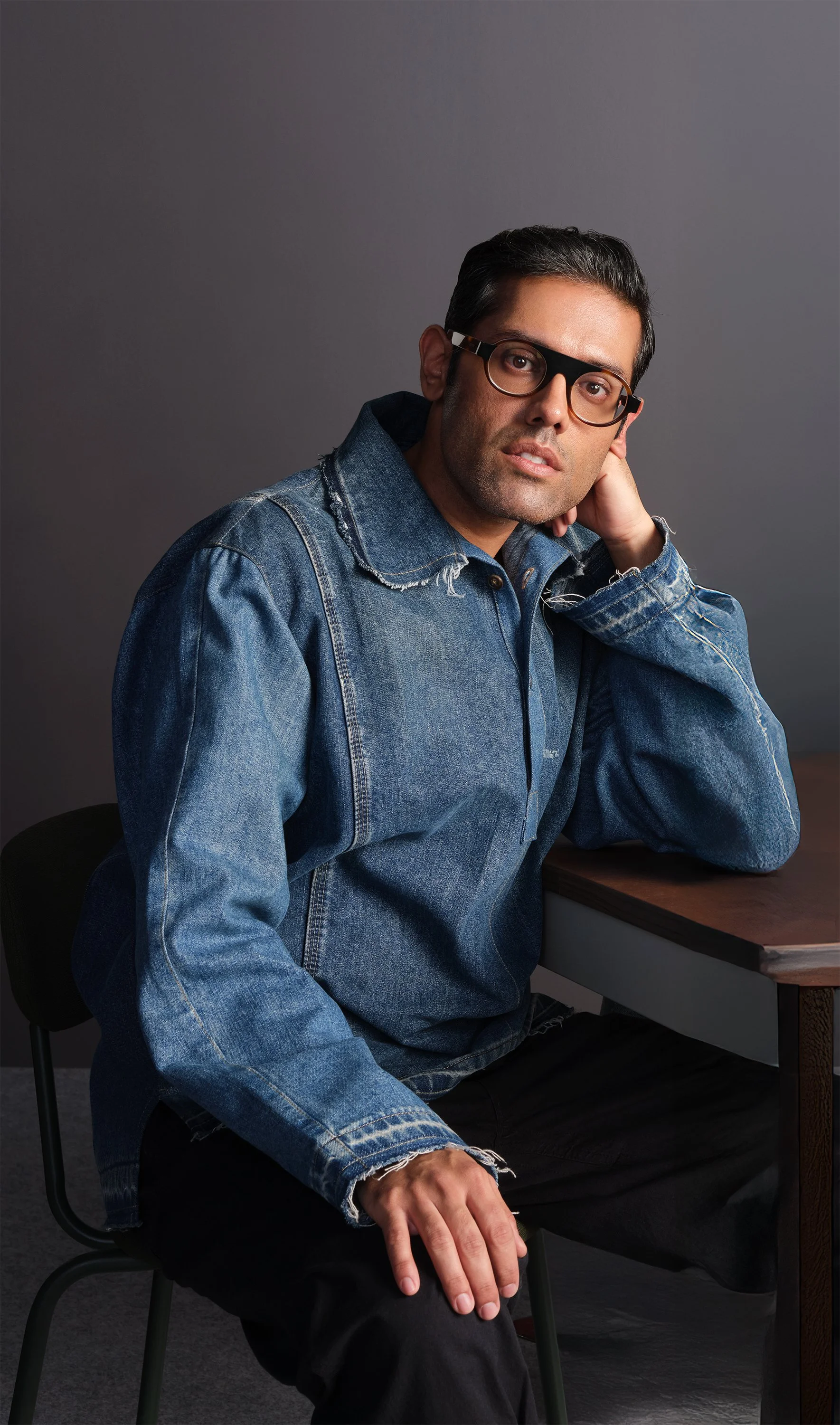
It wasn't a flash of lightning so much as a slow, uncomfortable tightening in my chest the morning of April 24th in 2013, when I opened The New York Times and saw a glaring headline about a factory collapse in Bangladesh killing over 1100 garment workers. I had just come back from India a few months earlier, where I was conducting research for my graduate school thesis on folic acid supplementation, whose study participants were largely textile workers. So many of the women killed in the Rana Plaza collapse were similar in shared experience in the fashion supply chain as the women I was working with. These were not statistics. They were daughters, mothers, sisters. Behno, in Hindi and other South Asian languages. What struck me wasn't only the scale of the tragedy; It was the paralysis that followed it in the fashion world. An industry I'd long partaken in was quietly outsourcing its conscience, and the garment workers making the things we coveted were paying for it with their lives. The realization, when it came, was almost contrarian: If the problem lived inside fashion, then the solution had to as well, and perhaps a nontraditional approach could prove useful. I had studied social entrepreneurial businesses, and became a believer that change could come from partnerships that looked at businesses with a conscious eye.
THE ART OF THE "NEW LUXURY"
THE SILHOUETTE OF ETHICS: HOW DOES BEHNO’S "PARED-DOWN" AESTHETIC AIM TO LIBERATE THE MODERN WOMAN FROM THE "CLUTTER" OF FAST FASHION?
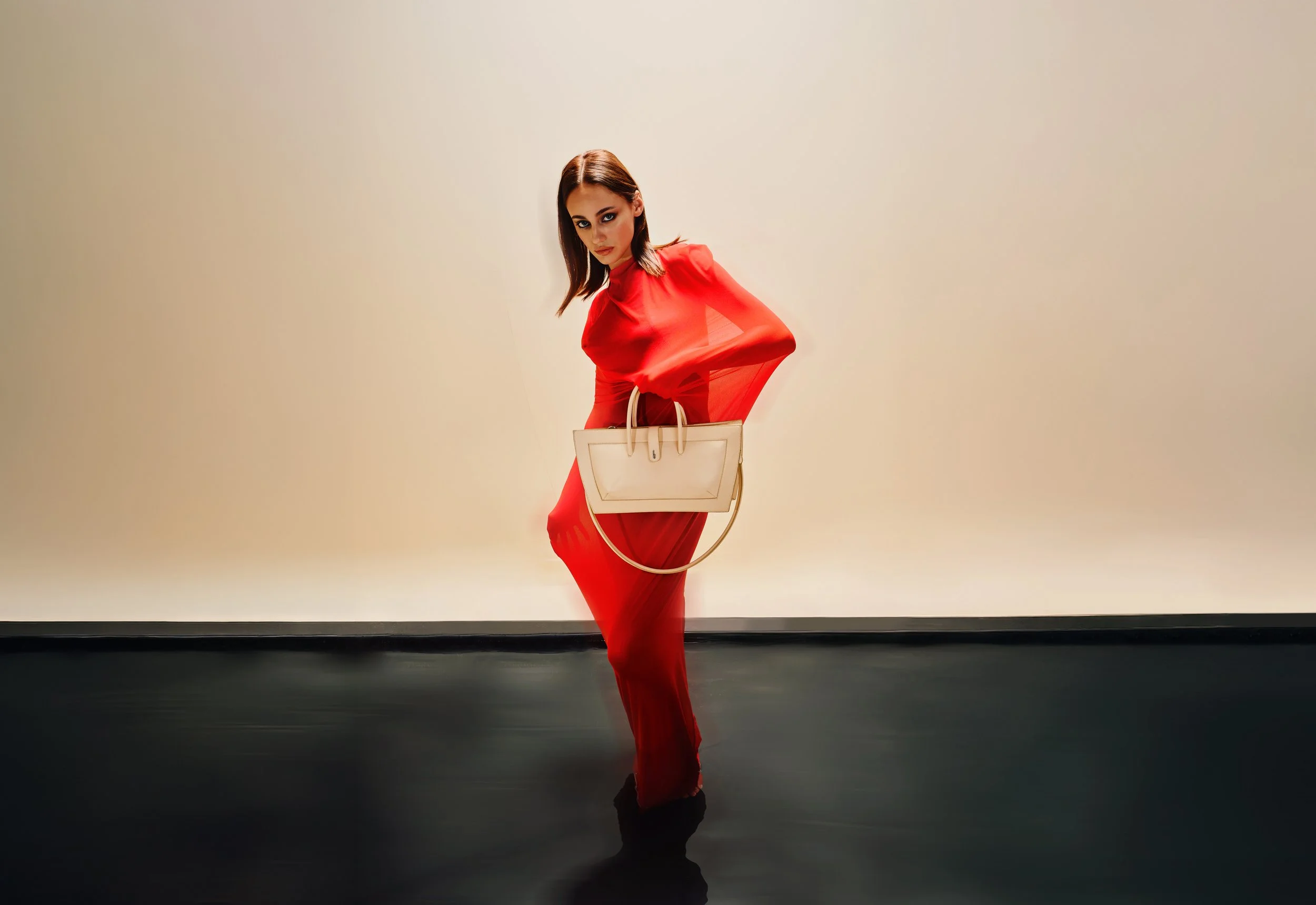
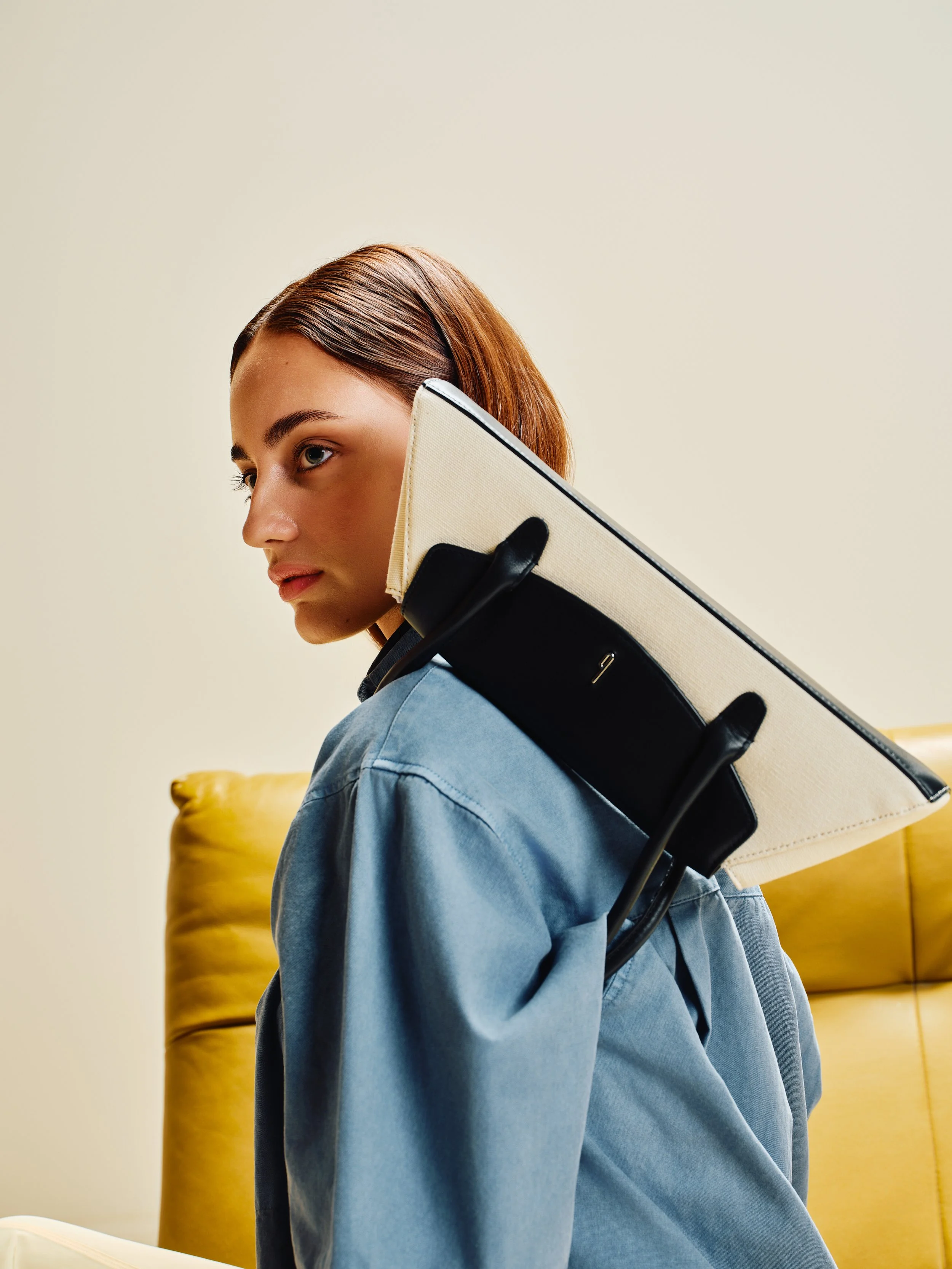
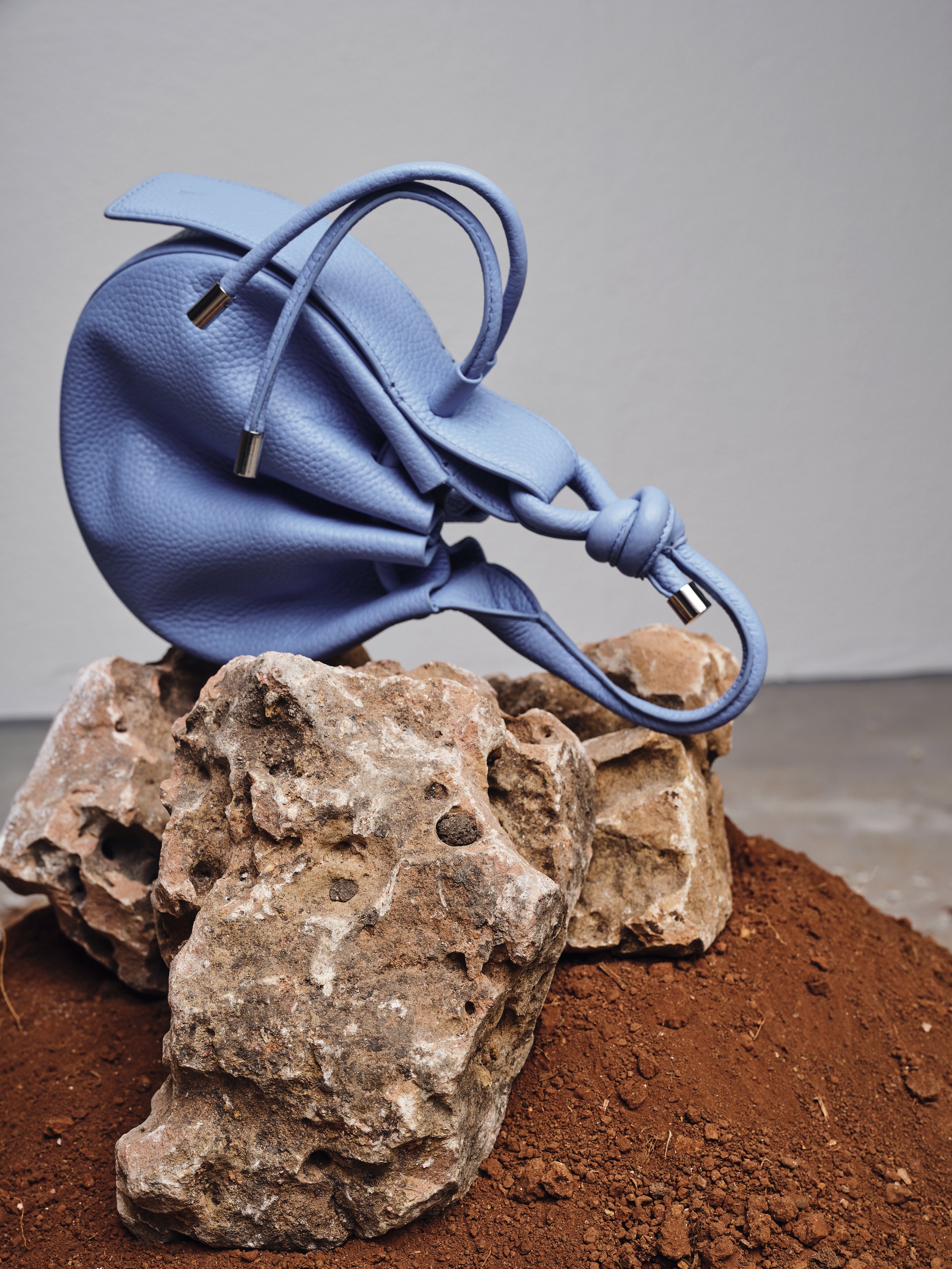
The modern citizen is exhausted by sheer volume. Fast fashion has trained us to confuse newness with style, leaving us with wardrobes full of things we don’t always have an emotional connection with. behno New York’s aesthetic is a deliberate attempt to create timelessness that can stand the test of time; So a handbag can become a modern day heirloom, handed down from one generation to the next. Clean lines, honest materials, and shapes that don’t age away. For us, liberation isn’t about giving endless options. As a design studio, it’s about having a strong directional point of view that considers the modern citizen and her needs to create leather goods that are sensibly rooted in strong design codes. THE "INA" AS ARCHITECTURE: THE INA BAG IS A MASTERCLASS IN GEOMETRY. HOW DO YOU BALANCE THE RIGID REQUIREMENTS OF THE BEHNO STANDARD (FAIR WAGES, SAFETY) WITH THE FLUID, ARTISTIC DEMANDS OF LUXURY HANDBAG DESIGN? Wow, thank you so much; This is an immense compliment for our teams. These kinds of words keep us going as a design studio that’s rooted in a larger community. But in all honesty, people often assume that consciousness and aesthetics pull in opposite directions; My experience has been the exact opposite. Sometimes working within a strict framework may seem limiting; For us, it compels us to push boundaries even more. We preconditioned our design process; In a way, it simplifies things for us, actually. It's also about understanding that the artisans we work with to craft our handbags come with a certain cultural capital that needs to be sustained. They’ve been practicing their craft generationally. When we look further into the value and supply chains of our industry, without even the littlest components, even the most brilliant designs can fall flat. We work with humans, not machines. And no matter how far removed we may be, this is something we simply cannot forget. AESTHETIC VS. ACTIVISM: MANY ETHICAL BRANDS PRIORITIZE THE "STORY" OVER THE "STYLE." BEHNO HAS SUCCESSFULLY FLIPPED THIS. HOW DO YOU ENSURE THAT A CUSTOMER FALLS IN LOVE WITH THE BAG'S CRAFTSMANSHIP BEFORE THEY EVEN REALIZE ITS SOCIAL IMPACT? From the beginning, I was clear: behno New York had to win on design first. If the only reason someone buys our handbags is guilt or virtue, we’ve already lost. No one should purchase something that doesn’t evoke a sense of excitement. We want our clients to actually use their bags. Our artisans and communities spend a lot of effort and time in crafting beautiful product. They should be worn with emotion, pride. And for this, no matter how storied a leather good might be, product design is king for me. And when someone discovers us, and learns of our story, it’s an added warm feeling. You then know you’ve voted with your dollars toward a product you can feel great about.
THE "SISTERS" BEHIND THE STITCH
REDEFINING "MADE IN INDIA": THERE IS A HISTORICAL BIAS IN LUXURY TOWARD "MADE IN ITALY" OR "MADE IN FRANCE." HOW IS BEHNO REWRITING THE NARRATIVE OF INDIAN CRAFTSMANSHIP TO BE SEEN AS A GLOBAL BENCHMARK FOR LUXURY?
For too long, “Made in India” has been read as a discount, while Western counterparts claim ownership to luxury. Ironically, so much of the West’s luxury has been historically manufactured in India, and somewhere along the supply chain’s story, the credit gets lost. I believe in clapping where credit is due. I did a focus group when I started the brand in 2015. People assumed that “Made in India” products were made in sweatshops, of low quality, and ‘hippy dippy’ in aesthetic. While parts of those assumptions stem from deep rooted realities, I’ve known “Made in India” to be of high-quality and better factories could be built. Rewriting the narrative isn’t about being defensive; For us, it’s about being confident and proud. We want our handbags to speak first – the precision, the materials, the finish – and then we let the origin become a point of pride. India is not the compromise on luxury; It’s been the benchmark. THE HUMANITY OF THE FACTORY: YOU USE THE TERM BEHNO (SISTERS). BEYOND THE PAYCHECK, HOW HAS YOUR "GARMENT WORKER PROJECT" CHANGED THE PHYSICAL AND EMOTIONAL LANDSCAPE OF THE WORKSHOPS WHERE THESE BAGS ARE BIRTHED? You know, it’s as simple as acknowledging the artisans we work with as, well, humans. Sometimes we’re so far removed from the spaces in which the fashion we love is made that we forget the humanity behind the pieces we love and wear. The paycheck is the floor. Dignity has to be the architecture. It’s also been about making the table large enough for garment workers, artisans, and factory owners to sit at alongside us as a brand. It’s about fostering, and having the tough conversations. It’s about finding ways to build cultural capital together. It’s about recognizing that the industry’s historical top-down approach doesn’t have to be the prevailing solution. It’s okay to flip the thought process and engage.
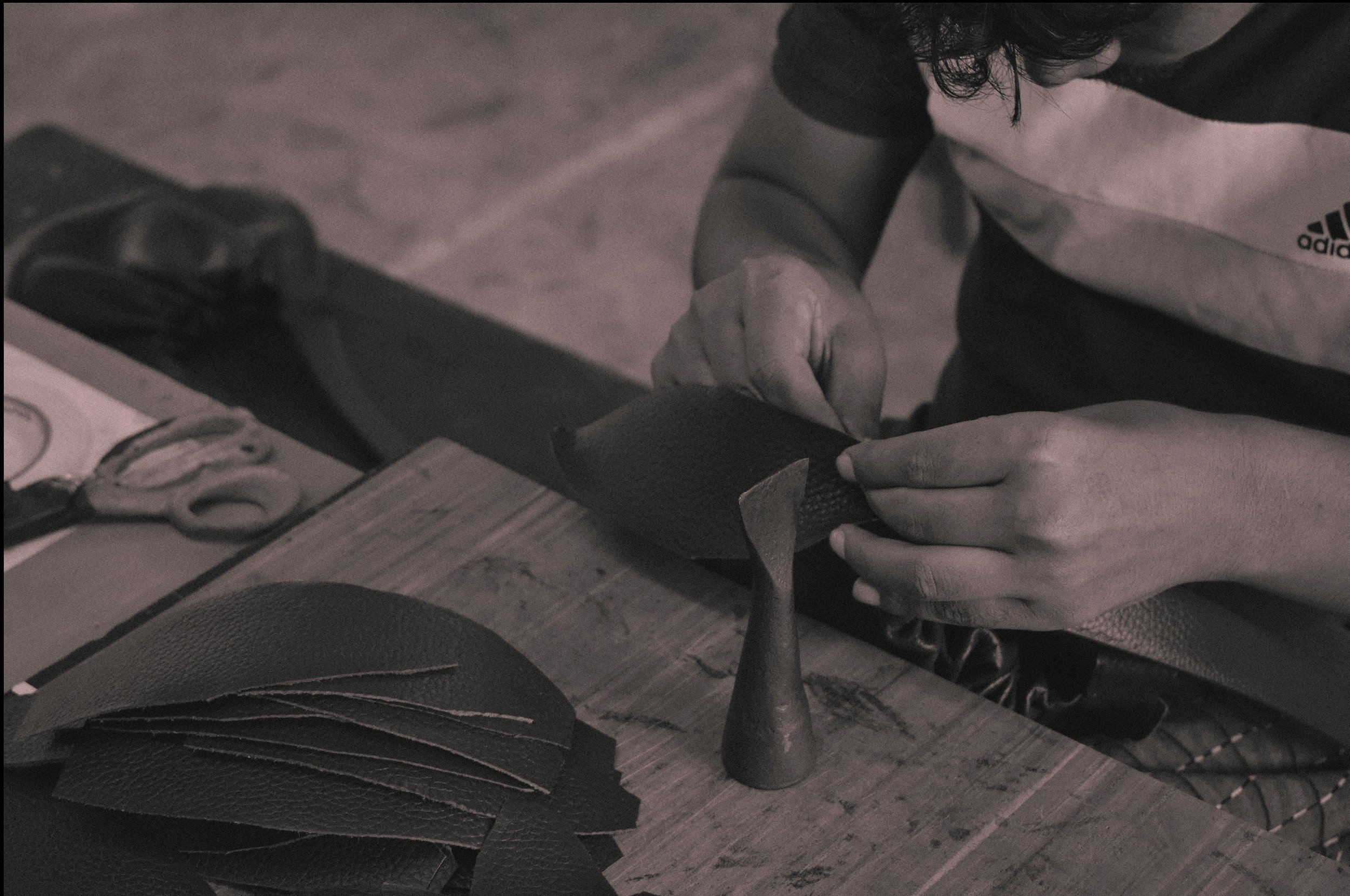
THE ARTISANAL HAND: IF WE WERE TO LOOK AT A BEHNO BAG THROUGH A MAGNIFYING GLASS, WHAT "HUMAN TOUCH" OR SUBTLE DETAIL WOULD TELL US IT WAS MADE UNDER YOUR SPECIFIC STANDARD RATHER THAN A MASS-PRODUCTION LINE? Look at the stitching first. On a behno New York bag, stitches are precise, but they carry the steadiness of a hand that has been given the time to do the work properly. You might see a slight error in the millimeter, but you won’t recognize it without that magnifying glass. You’ll notice that loose threads have been trimmed by hand. You’ll see that the edge painting is layered on to create depth. These elements require time.
SUSTAINABILITY AS A LIFESTYLE
THE LONGEVITY OF DESIGN: HOW DOES BEHNO APPROACH "SEASONALITY" IN AN ERA THAT DEMANDS CONSTANT NOVELTY?
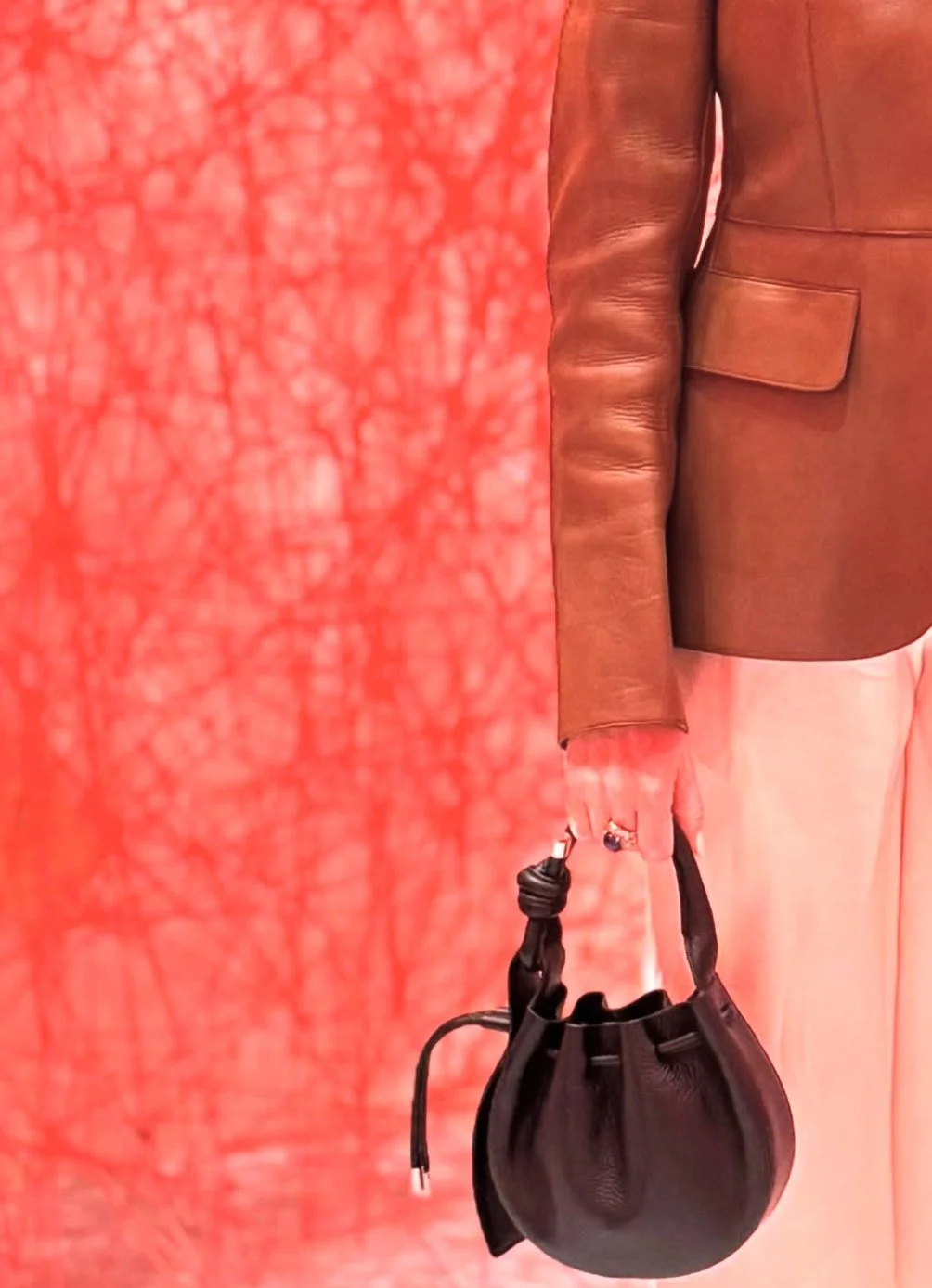
I do believe that handbags are seasonless, and should be. Sure, there will be silhouettes that will trend, but the truest test of a timeless bag is when you reach for it over and over and it just works. THE MATERIAL CHOICE: YOU WORK WITH LWG-CERTIFIED TANNERIES. HOW DO YOU SELECT LEATHERS THAT WILL PATINA AND AGE BEAUTIFULLY—ENSURING THE BAG REMAINS IN A WOMAN'S WARDROBE FOR DECADES RATHER THAN MONTHS? We spend a lot of time working with our tannery partners to achieve the hand and finish that is soft, durable, and one that will age well with time. We test our leathers rigorously and also use all our handbags before we release any of them into the market. Some of the elements we practice have just been learned with time and experience; The minute a leather feels in our palms will signal to us how it’s going to wear over time. The way it folds will tell us how it’s going to drape. Our team is sharp and laser-focused on sourcing the best raw materials. THE FUTURE OF THE "STANDARD": AS YOU EXPAND INTO THE INDIAN MARKET WITH PARTNERS LIKE KATRINA KAIF, HOW DO YOU PREVENT THE "BEHNO STANDARD" FROM BEING DILUTED BY THE SHEER SCALE OF GLOBAL DEMAND? We’ve been so controlled with our scale since we started. We’ve been growing at a pace that made sense for us; We wanted to ensure our supply chains have been in place. That we were sourcing the best materials and building deep relationships with all of our partners. We wanted to ensure our value system became a structural part of our brand identity. For me, scale done right should deepen and augment our work, not dilute it. We’re all very hands-on in our processes, and it’s a part of behno New York I’m very proud of.
THE "GAZETTE DU BON TON" SIGNATURE QUESTIONS
THE WARDROBE CONTEXT: IF THE GAZETTE WERE TO ILLUSTRATE A BEHNO BAG TODAY, WHAT KIND OF WOMAN IS CARRYING IT, AND WHERE IS SHE GOING?
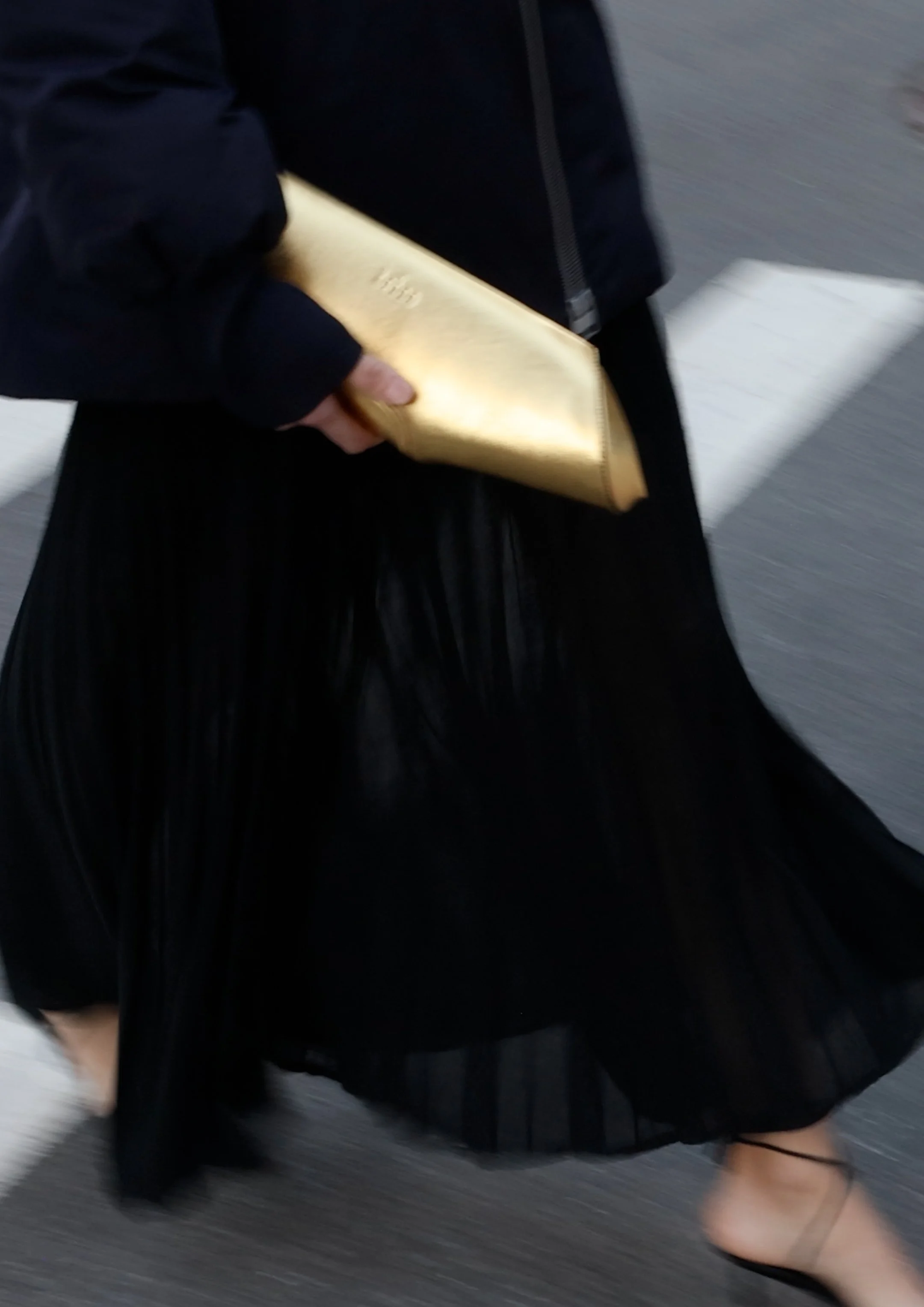
She’s a citizen of the world. She has a clear sense of taste, and knows what she actually likes. She has opinions that inform the way her circles see a world beyond their own. She’s walking to a gallery opening in Chelsea, or she might be boarding a flight to Tokyo to lock in a deal, or she might be walking into an educational institution ready to shape the next generation of changemakers, or she might be walking with a friend, consoling them in a time of need. She’s empathetic and she’s intentional. THE LEGACY: WHEN A DAUGHTER INHERITS HER MOTHER’S BEHNO BAG TWENTY YEARS FROM NOW, WHAT DO YOU WANT THAT BAG TO REPRESENT ABOUT THE ERA IN WHICH IT WAS CREATED? Gosh, this question makes me feel warm and fuzzy. We tell ourselves internally at the studio that we’re designing future classics to become modern day heirlooms, and this question makes me have all the feels. I want her to hold her bag in her hands and know that it came from a moment when her mother took a chance on a brand that was trying to change the way the world saw and interacted with fashion. I want her to know that the bag came from an era where we started to ask questions on how fashion could do better for its artisans. From an era where the invisible side of fashion became visible. I want her to know the bag carries memories of her mother. I want her to know that the bag will carry her memories. I want her to know that her daughter, too, one day, will feel everything she’s feeling today. And if she feels all of this, I’ll know we succeeded in doing the work we set out to do.